 blog
Best Pool Fence Materials for Melbourne
Table of Contents
- Choosing the Right Pool Fence Material
- Glass Pool Fencing: Frameless and Semi-Frameless Options
- Aluminium Pool Fencing: Styles and Design Flexibility
- Steel and Wire-Based Pool Barriers
- Pool Fence Regulations Victoria: Safety and Compliance
- Pool Fence Maintenance: Keeping Your Barrier in Top Condition
- Material Comparison: Costs, Trade-Offs, and Site Selection
- Frequently Asked Questions
Last Updated: October 11, 2026
Choosing the Right Pool Fence Material
Selecting the right pool fence material shapes everything about your barrier: its appearance, durability, maintenance demands, and whether it passes Victorian safety inspections. At AK FENCING VIC PTY LTD, we work with homeowners every week who face this decision, and it's rarely straightforward.
This guide covers the main options available today: glass, aluminium, and steel-based barriers. We'll compare their real-world performance in Melbourne's climate, break down the regulatory requirements you need to meet, and help you match materials to your specific property and family needs.
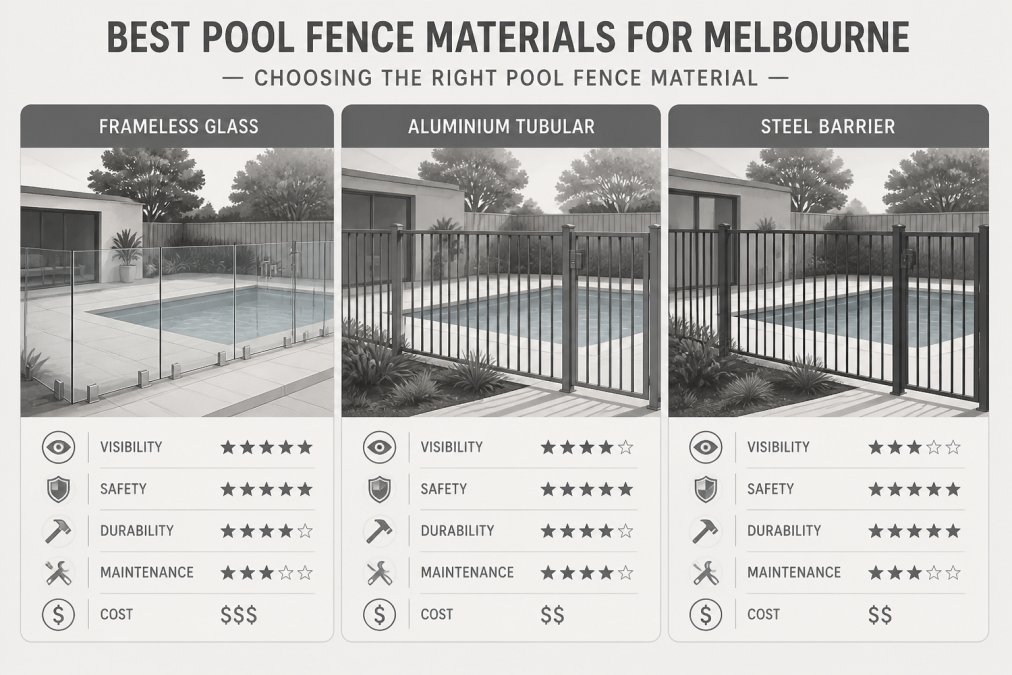
Glass Pool Fencing: Frameless and Semi-Frameless Options
Glass remains the most popular choice for pool barriers in residential settings, and for good reason. It provides unobstructed sightlines, a clean aesthetic, and proven durability when installed correctly. The two main variants, frameless and semi-frameless, offer different balances of appearance and structural support.
Frameless glass fencing uses 12 mm toughened glass panels held in place by spigots and minimal hardware. The absence of visible frames creates an elegant, modern look that doesn't interrupt your view of the pool or garden. Semi-frameless designs use aluminium top and bottom rails with glass panels, offering additional structural support and often lower costs.
Frameless vs Semi-Frameless Glass
Frameless glass delivers superior aesthetics but requires thicker glass (typically 12 mm) and precise installation to handle wind loads and thermal stress. The spigots that anchor the panels must be positioned accurately, and any movement in the posts creates visible gaps. Semi-frameless glass uses thinner panels (often 10 mm) because the aluminium frame distributes loads more effectively. This makes semi-frameless more forgiving during installation and less sensitive to ground settlement.
The practical difference comes down to your priorities. Choose frameless if you value an uninterrupted view and can commit to regular inspection of spigots and hinges. Choose semi-frameless if you want glass durability with lower installation precision requirements and reduced maintenance on hardware.
Durability and Weather Resistance
Toughened glass handles Melbourne's temperature swings and UV exposure reliably. The tempering process strengthens the glass so it resists thermal shock, the sudden stress when cold water splashes hot glass on a summer afternoon. Once tempered, the glass doesn't degrade from pool chemicals or saltwater if you're near the coast.
The real durability risk isn't the glass itself; it's the hardware. Spigots, hinges, and gate latches corrode if they're not stainless steel or powder-coated aluminium. Many installations use standard mild steel hardware that rusts within 2-3 years, creating visible staining and functional problems. Ensure your installer specifies marine-grade stainless steel or powder-coated hardware rated for pool environments.
Aluminium Pool Fencing: Styles and Design Flexibility
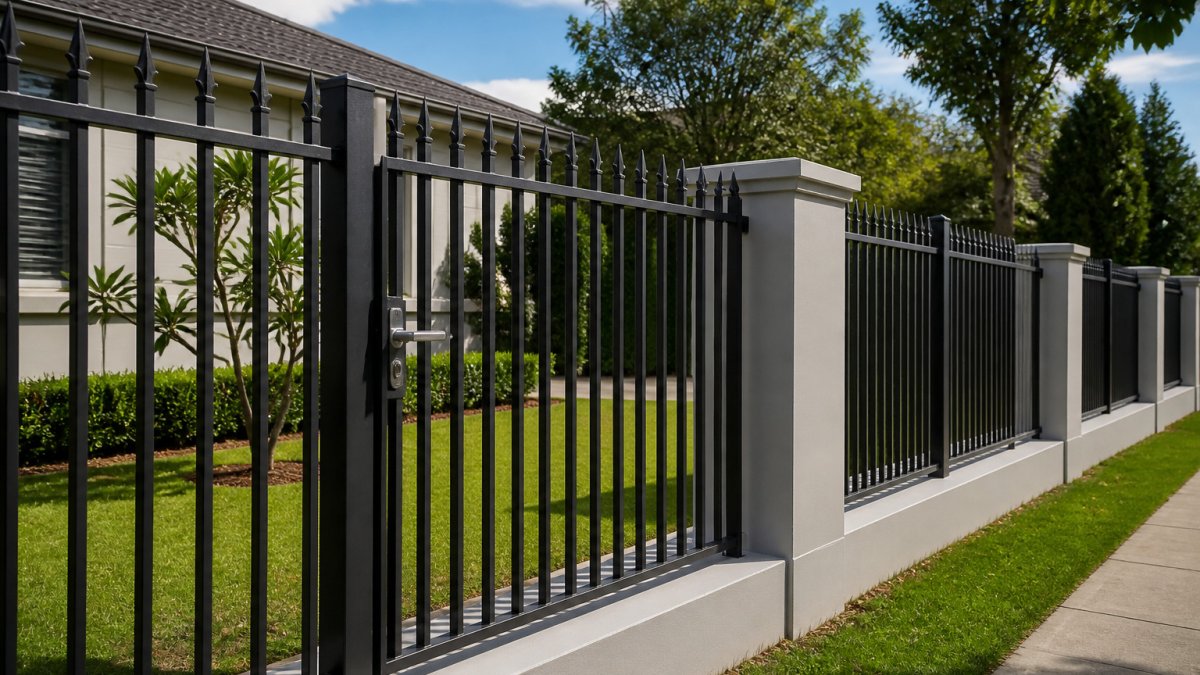
Aluminium offers flexibility that glass doesn't. You can choose from tubular designs, slat profiles, and mixed-material combinations. It's lighter than steel, easier to install, and won't rust if properly finished. For many homeowners, aluminium strikes the right balance between cost, durability, and aesthetic options.
Aluminium fencing works well in Melbourne's climate because the material doesn't corrode like steel and doesn't require the precision installation that frameless glass demands. You can paint it any colour, combine it with glass panels for a hybrid look, or use it as a practical barrier that still allows some visibility.
Tubular and Powder-Coated Finishes
Tubular aluminium, hollow rectangular or circular profiles, is the standard for residential pool barriers. The tubes are lightweight yet rigid, and they're available in various wall thicknesses depending on wind load requirements. Powder coating provides the colour and UV protection, with most finishes rated for 10+ years in Melbourne's climate.
The key quality difference is coating thickness. Budget installations use thin powder coat that chalks and fades within 5 years. Premium finishes use multi-layer systems (primer, colour coat, clear topcoat) that maintain appearance for 15+ years.
Aluminium's main limitation is that it can flex in high winds, creating a slight wave in the fence line. This is purely cosmetic and doesn't affect safety, but it's worth noting if you're in a windy location.
Steel and Wire-Based Pool Barriers
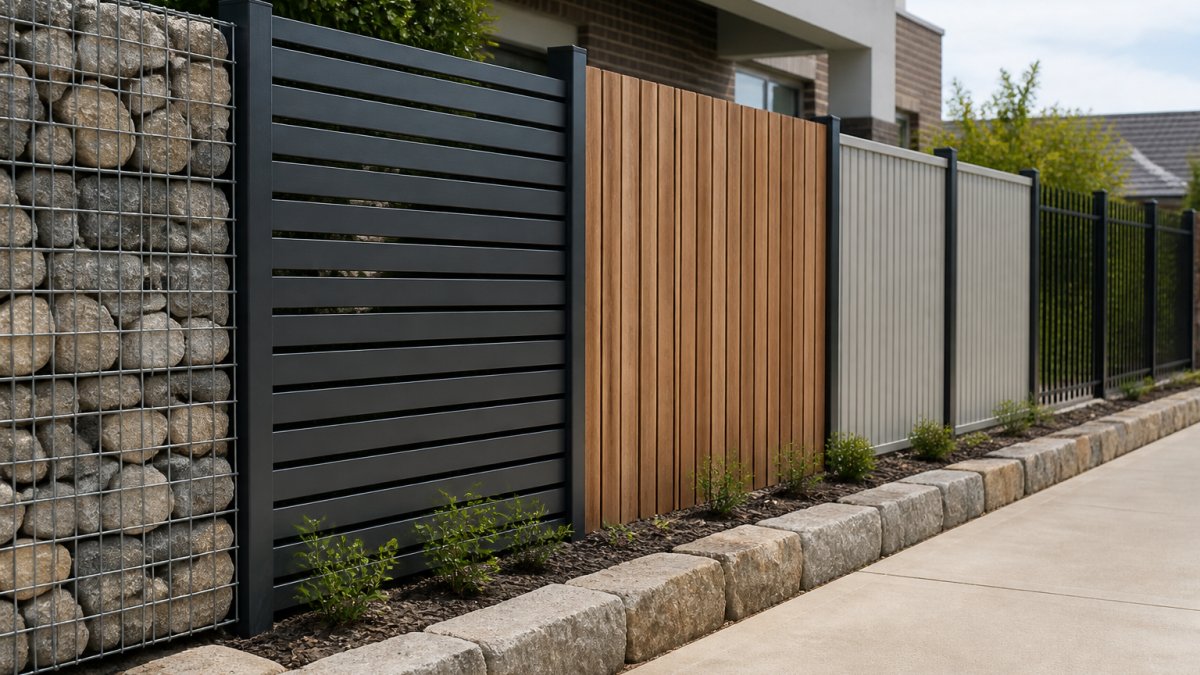
Steel mesh or wire-based fencing is less common for pools than glass or aluminium, but it serves specific purposes. Welded mesh panels provide security and visibility, and they're often cheaper to install than glass. Galvanised or powder-coated steel resists corrosion when properly finished.
The disadvantage is maintenance. Steel requires regular inspection for rust at welds and cut edges, and once corrosion starts, it spreads quickly in pool environments. Wire-based barriers also collect debris and algae more readily than smooth glass or aluminium surfaces.
Steel works best as a secondary barrier, for example, protecting a pool area from pets or young children while a glass or aluminium fence handles the regulatory requirement. For primary pool fencing, glass and aluminium are more practical choices in Melbourne.
Pool Fence Regulations Victoria: Safety and Compliance
Victorian pool safety law is strict, and non-compliance carries penalties and liability risks. Your pool fence must meet the requirements in the Building Code of Australia (BCA) and the Victorian Building Regulations. These standards specify height, spacing, gate mechanisms, and inspection protocols.
The regulations exist because pool drowning is a leading cause of unintentional injury in children. A compliant barrier, combined with supervision and other safety measures, significantly reduces risk. When you install a new pool fence or modify an existing one, the work must be inspected and certified by a registered building surveyor.
Height, Spacing, and Gate Requirements
Pool barriers must be at least 1.2 metres high, measured from the ground on the pool side. The spacing between vertical elements (balusters or posts) cannot exceed 100 mm, this prevents a child's head from becoming wedged.
Gates must be self-closing and self-latching, with the latch positioned at least 1.5 metres above the ground so a small child can't reach it. The gate must swing away from the pool so that someone can exit safely even if the latch is stuck.
These requirements apply regardless of material. A frameless glass fence, an aluminium barrier, or a steel mesh all must meet the same height and spacing standards. The material choice doesn't exempt you from compliance; it only affects how you achieve it.
Pool Fence Maintenance: Keeping Your Barrier in Top Condition
Different materials demand different upkeep routines. Understanding these demands before you install helps you choose a material you'll actually maintain properly, because a neglected barrier deteriorates faster and becomes unsafe.
Glass requires the least active maintenance but needs regular inspection. Aluminium demands occasional cleaning and touch-ups. Steel requires vigilant rust monitoring. Your choice should reflect how much time and attention you're willing to invest.
Cleaning and Chemical Resistance
Glass is chemically inert, so chlorine and other pool chemicals don't degrade the material. However, mineral deposits from hard water and algae growth can cloud the surface. A soft brush and mild detergent clean it effectively.
Aluminium resists pool chemicals well once powder-coated, but the coating can be damaged by abrasion or impact, exposing bare metal underneath. Regular cleaning with a soft cloth and mild soap preserves the finish. If you notice any scratches or chips, touch-up paint prevents corrosion at those spots.
Steel mesh or panels need more frequent attention. Inspect welds and cut edges regularly for rust spots. Early treatment with rust converter or touch-up paint prevents the corrosion from spreading. In harsh conditions, coastal areas or heavy chlorine use, steel requires more vigilance than other materials.
Long-Term Durability and Inspection
All pool barriers must be inspected by a registered building surveyor every 12 months (or as specified in your council's requirements). The inspector checks that the fence still meets height and spacing standards, that gates operate properly, and that no damage has compromised safety. This mandatory inspection catches problems early.
Between inspections, walk your fence line monthly and look for visible damage: cracks in glass, rust spots on steel, loose posts, or corroded hardware. Tighten any loose bolts, replace damaged seals, and address rust before it spreads. A small repair done promptly prevents expensive replacement later.
Glass typically lasts 20+ years with minimal maintenance. Aluminium lasts 15-20 years depending on coating quality. Steel lasts 10-15 years if maintained actively, but can fail in 5-7 years if neglected in harsh conditions.
Material Comparison: Costs, Trade-Offs, and Site Selection
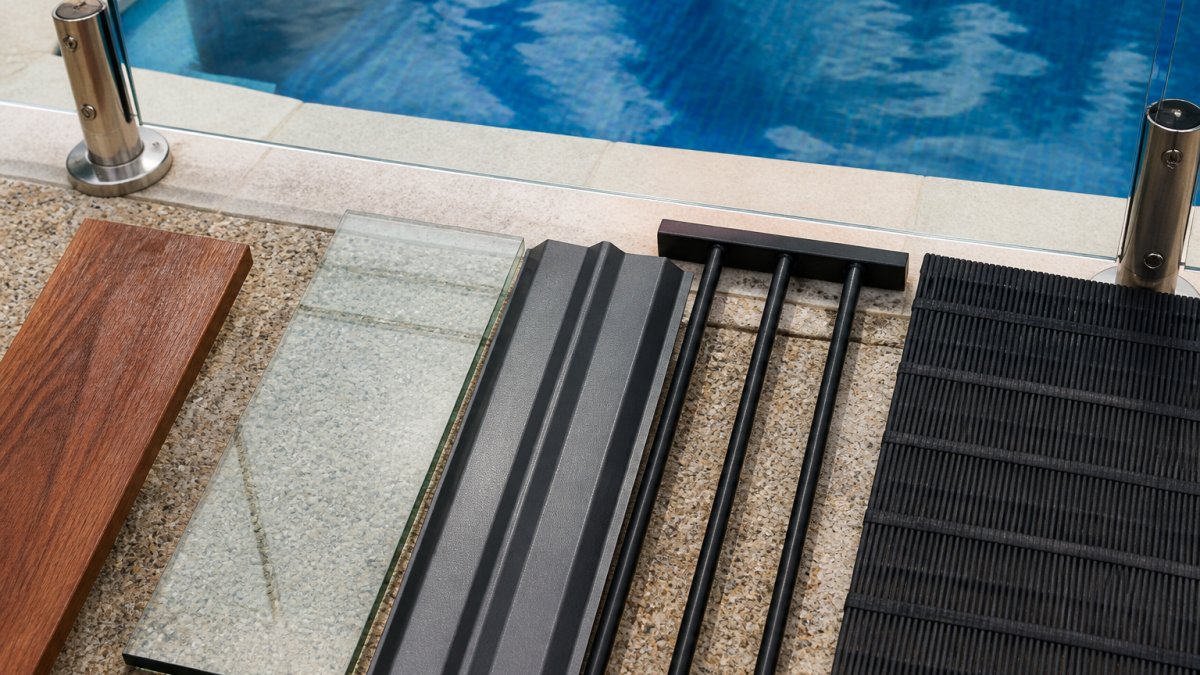
Choosing between glass, aluminium, and steel involves weighing upfront cost, ongoing maintenance, durability, and appearance. No single material is best for every situation, the right choice depends on your specific property, budget, and priorities.
| Material | Appearance | Maintenance | Durability | Best For | Key Trade-Off |
|---|---|---|---|---|---|
| Frameless Glass | Premium, unobstructed views | Minimal (hardware inspection) | 20+ years | Modern homes, maximum visibility | Higher cost, precision installation |
| Semi-Frameless Glass | Clean, modern with visible rails | Low (hardware inspection) | 20+ years | Contemporary designs, good value | Slightly less elegant than frameless |
| Aluminium (Powder-Coated) | Flexible colours, contemporary or traditional | Occasional cleaning, touch-ups | 15-20 years | Varied architectural styles, lower cost | Can flex in high winds (cosmetic) |
| Steel Mesh | Functional, industrial appearance | Regular rust monitoring | 10-15 years (if maintained) | Secondary barriers, temporary fencing | High maintenance, corrosion risk |
Total Cost of Ownership
Upfront installation cost is only part of the picture. Total cost of ownership includes materials, labour, inspections, maintenance, repairs, and eventual replacement.
Frameless glass costs more to install because precision is critical and hardware must be premium-grade stainless steel. However, maintenance costs are low for 20 years.
Aluminium costs less upfront than glass and is cheaper to install. Maintenance is moderate, occasional cleaning and touch-ups. Over 15-20 years, your total cost is often lower than glass because you avoid the precision installation premium.
Steel is cheapest initially but demands regular maintenance. If you neglect it, corrosion spreads quickly and repair costs spike. Steel makes sense only if you're committed to monthly inspections and touch-ups, or if you're using it as a temporary or secondary barrier.
Matching Materials to Your Property and Family Needs
Consider your site conditions first. If you're on a steep slope with poor drainage, ground movement can stress rigid barriers. Semi-frameless glass or aluminium is more forgiving than frameless glass.
Think about your family's needs. If you have young children and pets, you want maximum visibility and a barrier that's hard to climb. Frameless or semi-frameless glass excels here.
Climate and maintenance tolerance matter. If you're near the coast or in a high-chlorine environment, stainless steel hardware is non-negotiable regardless of the primary material.
At AK FENCING VIC PTY LTD, we recommend getting a site assessment before deciding.
Choosing pool fence materials for your Melbourne property requires balancing safety compliance, durability, maintenance demands, and aesthetic preferences.
The right choice depends on your site, budget, and how actively you'll maintain the barrier. AK FENCING VIC PTY LTD provides expert site assessments, material recommendations, and professional installation backed by a workmanship guarantee. Get a free quote and let our fully licensed and insured team help you select and install the barrier that keeps your family safe while enhancing your property's security and appearance.
Frequently Asked Questions
What is the best pool fence material for Melbourne weather?
Glass and powder-coated aluminium are the most durable for Melbourne's variable climate. Toughened glass resists temperature fluctuations and UV exposure, while galvanised and powder-coated aluminium withstand moisture and salt air. Steel requires regular inspection in humid conditions. Your choice depends on maintenance commitment and aesthetic preference. AK Fencing can assess your specific site conditions and recommend the material best suited to your property.
Does glass pool fencing meet Victorian pool fence regulations?
Yes, frameless and semi-frameless toughened glass fencing complies with Victorian safety standards when installed correctly. Glass panels must be 12 mm toughened glass, properly spaced, and feature self-closing latches on gates. The material itself meets all regulatory height and visibility requirements. Installation must follow current Victorian compliance guidelines. AK Fencing ensures every installation passes inspection and meets all legal obligations.
How often does pool fence maintenance need to happen?
All materials require regular gate latch and hinge checks. Establishing a simple inspection routine prevents costly repairs and ensures your barrier remains safe and compliant year-round.
Is aluminium pool fencing better than glass for families with pets?
Aluminium is more forgiving for families with active pets and children. It absorbs impact without cracking, whereas glass can shatter if struck hard. Aluminium's solid design also provides wind protection and reduces glare. Glass offers unobstructed views and a premium aesthetic but requires more careful maintenance around high-energy households. Your choice should match your family's lifestyle and how much ongoing care you're willing to invest.