 blog
Fineline Fencing Alternatives: 2026 Guide
Table of Contents
- Why Property Owners Look Beyond Fineline Fencing
- Colorbond Fencing Alternatives and How They Compare
- Timber Fencing Options Worth Considering
- Aluminium, Blade, and Contemporary Fence Designs
- Understanding Fence Installation Cost and What Drives It
- Getting a Fencing Quote: Essential Checklist
- Durability, Maintenance, and Long-Term Value
- Frequently Asked Questions
Last Updated: October 21, 2026
Why Property Owners Look Beyond Fineline Fencing
When you're planning a fencing project, the options can feel overwhelming. Many property owners start by researching the most visible brands, only to discover that fineline fencing alternatives might better suit their needs, budget, or aesthetic goals. The reality is that no single fencing solution works for every property. Terrain varies. Privacy requirements differ. Budgets shift. And what looks stunning in one backyard might feel out of place in another.
At AK FENCING VIC PTY LTD, we've worked with property owners who initially considered one direction before finding something that delivered better long-term value. The point isn't that one option is universally superior, it's that understanding your alternatives helps you make a choice aligned with your actual priorities.
This guide walks through the main fineline fencing alternatives available in the region, what sets each apart, and how to evaluate them against your specific situation. We'll cover the materials worth considering, the cost drivers that affect your final quote, and the durability factors that determine how long your investment lasts.
Colorbond Fencing Alternatives and How They Compare
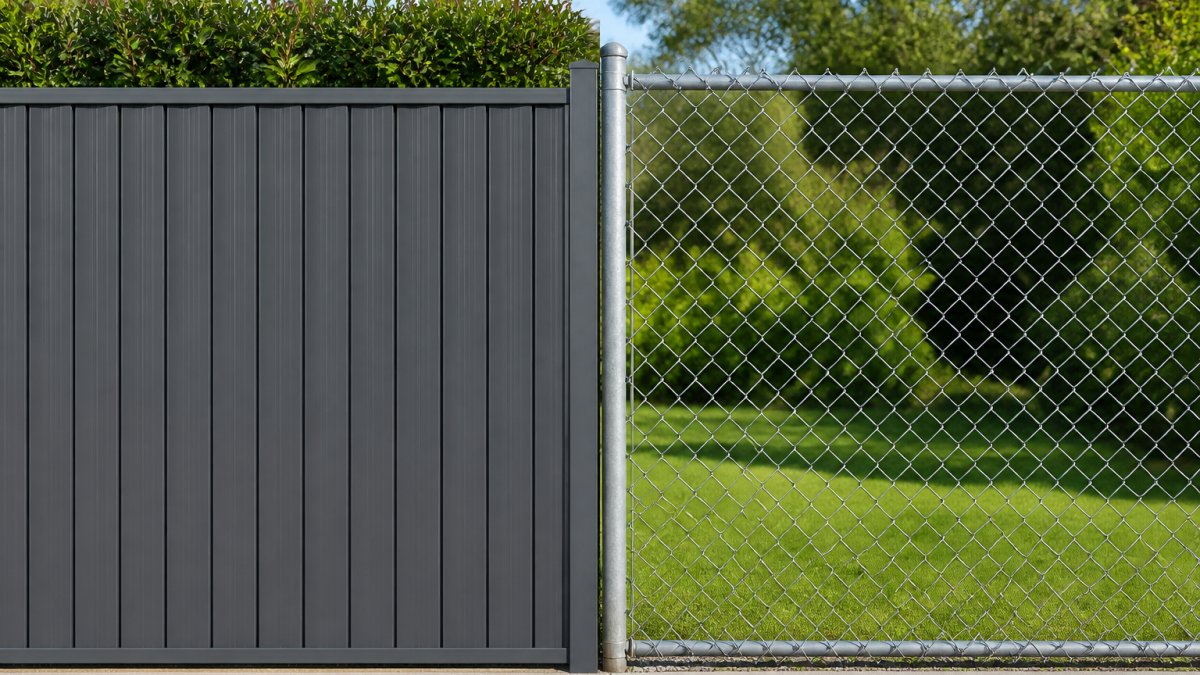
Colorbond steel fencing has dominated the residential market for good reason: it's durable, requires minimal maintenance, and comes in a range of colours that suit contemporary and traditional homes alike. But it's not the only option, and for some properties, alternatives deliver better value or aesthetics.
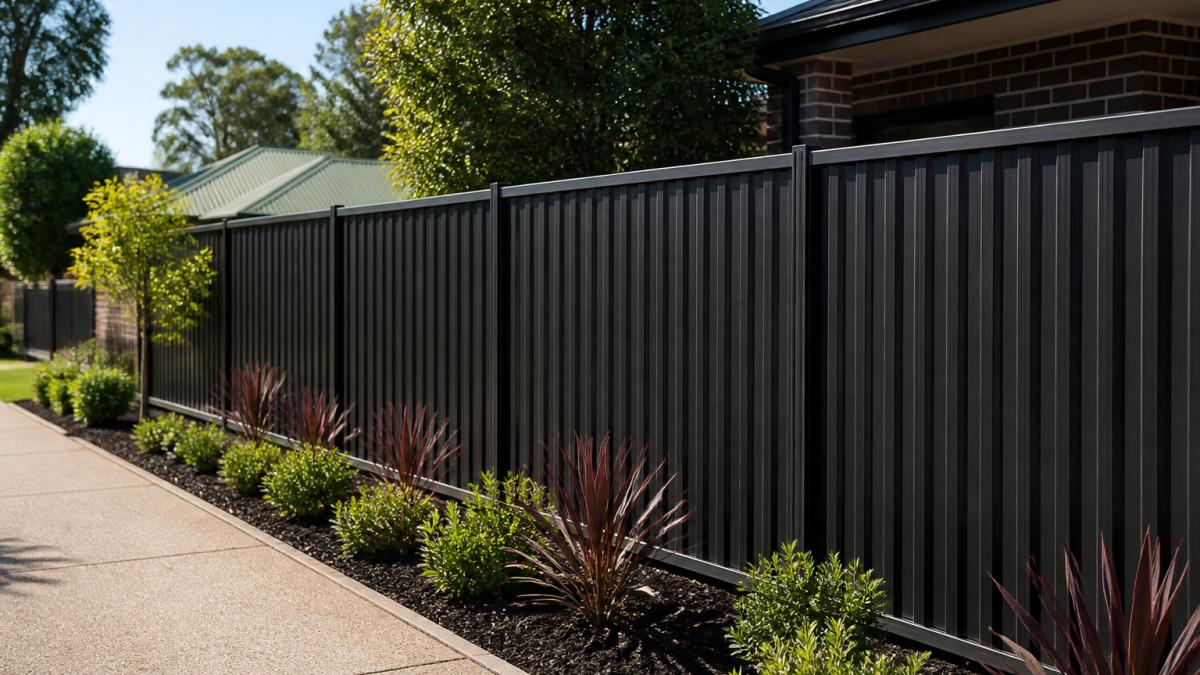
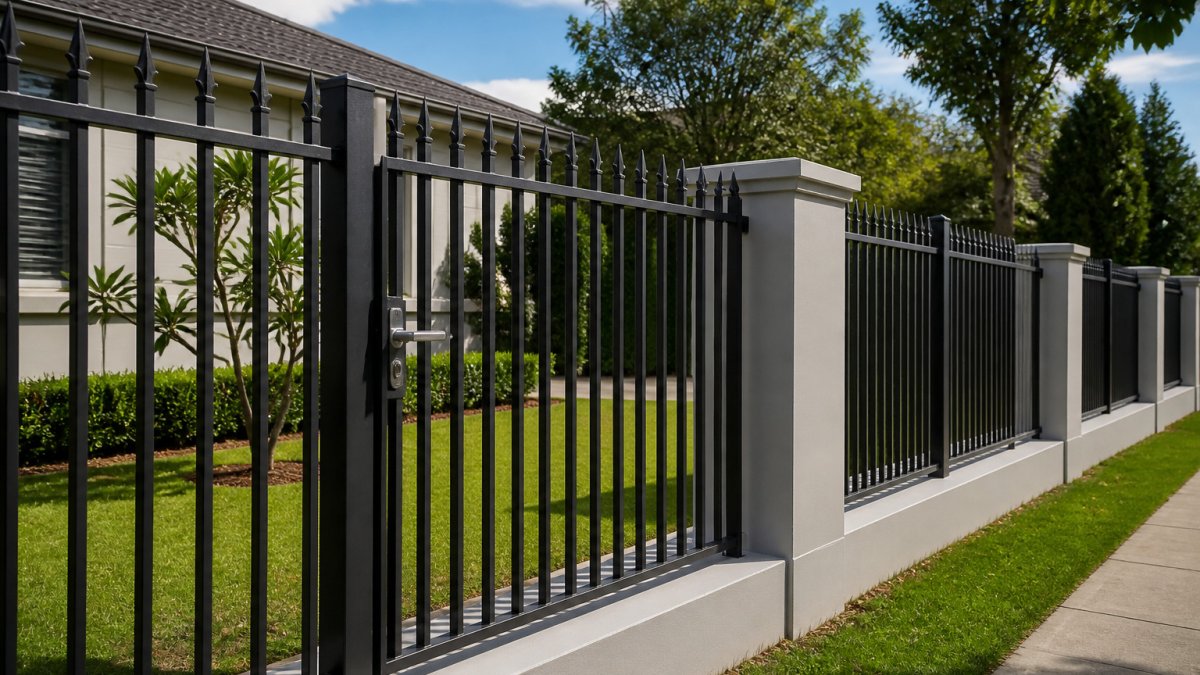
Aluminium fencing offers a lightweight alternative that won't rust or corrode in coastal areas or high-humidity environments. It's more affordable than Colorbond in many cases, though it's not as rigid, it can flex under pressure, which matters if you have dogs or children who lean against it.
Blade fencing (also called slatted or louvre fencing) creates a contemporary aesthetic with adjustable privacy. The horizontal blades can be angled to allow views while blocking direct sight lines, giving you control over light and privacy that solid panels don't offer.
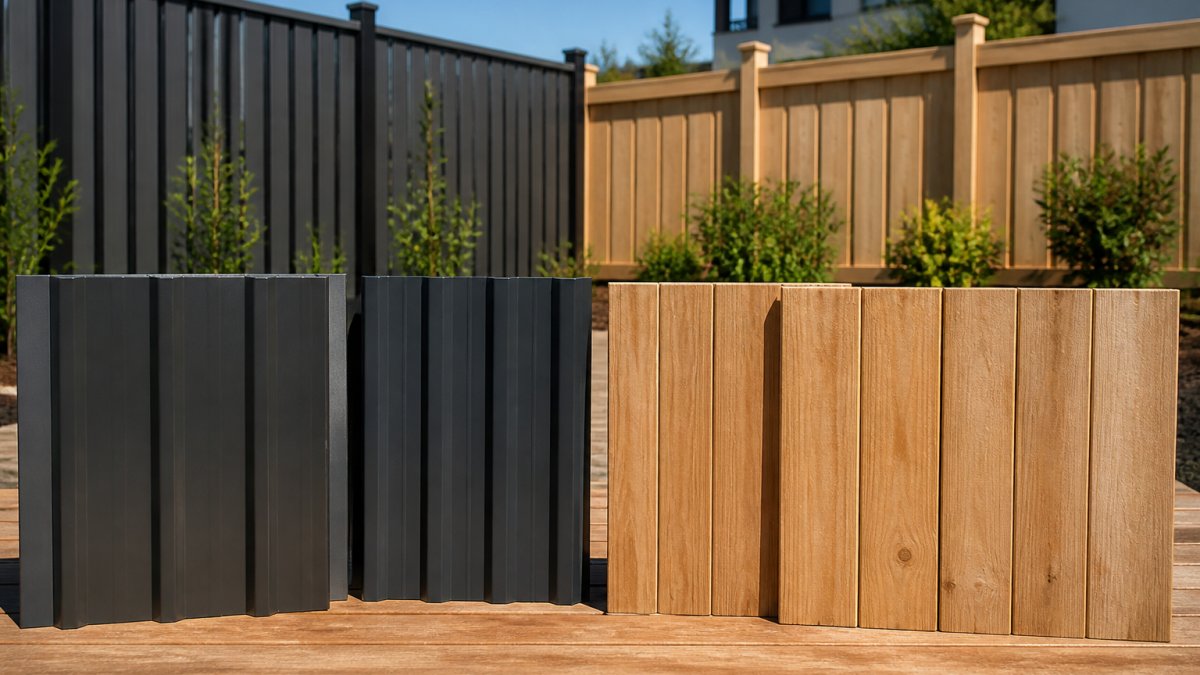
Timber fencing remains a strong choice despite requiring more upkeep. It offers warmth, character, and natural beauty that steel can't replicate. The trade-off is clear: timber needs regular treatment, inspection for rot, and repainting every 5-7 years.
For most property owners weighing these options, the decision comes down to three factors: initial cost, maintenance commitment, and how the fence will look in 10 years. Colorbond excels at low maintenance. Aluminium wins on coastal durability. Blade fencing wins on contemporary style.
Timber Fencing Options Worth Considering
Timber fencing isn't a single category, it ranges from affordable pine to premium hardwoods, each with different durability profiles and aesthetic qualities.
Treated Pine and Hardwood Choices
Treated pine is the most common timber choice because it balances affordability with reasonable durability. The timber is chemically treated to resist rot and insect damage, extending its lifespan significantly compared to untreated wood. A well-maintained treated pine fence typically lasts 15-20 years before major repairs become necessary.
Hardwoods like jarrah or spotted gum offer superior durability, often 25-30 years or more, because the timber itself is naturally resistant to decay. The cost is higher upfront, but the longer lifespan and reduced maintenance make it appealing for property owners planning to stay long-term. Hardwood also weathers to an attractive silver-grey patina if left untreated, which suits rustic or coastal aesthetics.
The maintenance difference matters. Treated pine requires repainting or restaining every 5-7 years to maintain colour and water resistance. Hardwood, especially if left natural, requires less frequent treatment. If you're budget-conscious and willing to repaint, treated pine is sensible. If you want to minimise ongoing work, hardwood is worth the premium.
Reclaimed Timber and Rustic Aesthetics
Reclaimed timber fencing has grown in popularity as property owners seek distinctive, sustainable options. Salvaged hardwoods from old buildings or structures are milled into fence panels, creating a genuinely unique look that new timber can't replicate. Each board carries visible history, nail holes, colour variation, weathering, that adds character.
The catch is availability and cost. Reclaimed timber is more expensive than new timber and harder to source in quantity. Structural integrity varies; you need a fencing contractor experienced with reclaimed materials to assess whether salvaged timber is suitable for your specific application. In some cases, reclaimed timber works beautifully as accent panels combined with new timber for a hybrid approach.
Rustic aesthetics also include brushwood or bamboo fencing, which creates a natural screening effect. These materials are less common in Melbourne but work well for properties seeking a garden-focused, organic look. Durability is shorter than hardwood, typically 8-12 years, and maintenance includes occasional tightening and replacement of worn sections.
Aluminium, Blade, and Contemporary Fence Designs
Contemporary fencing has shifted away from solid panels toward designs that blend privacy with visual interest. This is where aluminium and blade fencing excel.
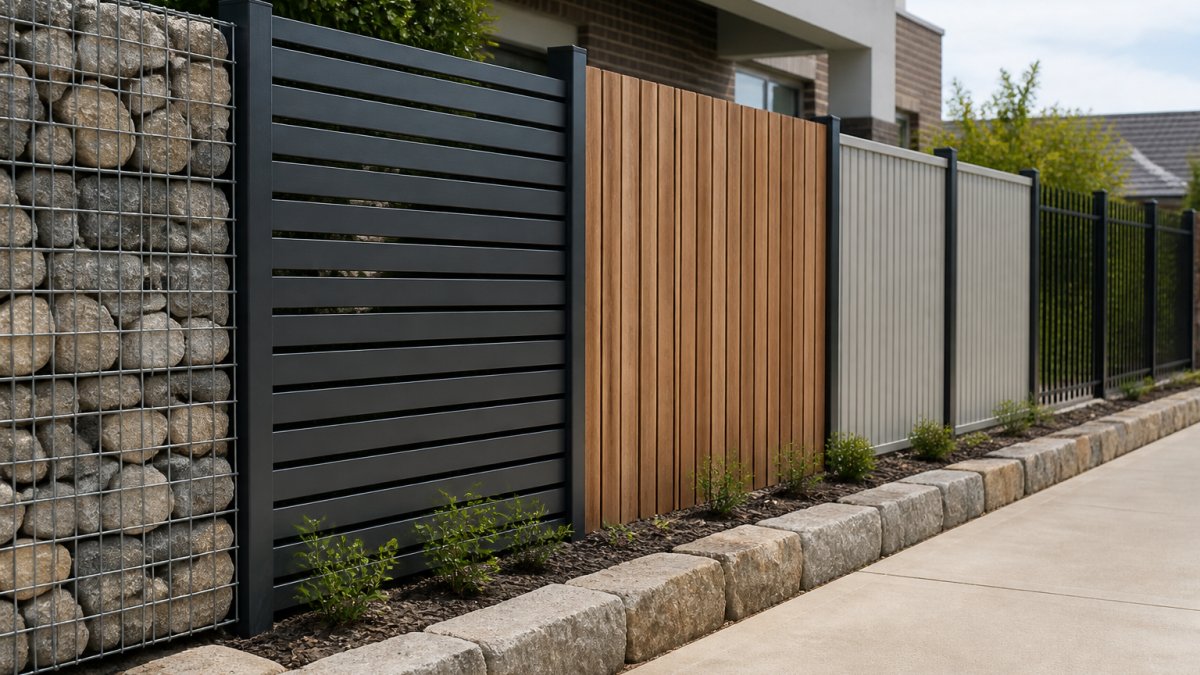
Aluminium slat fencing combines the durability advantages of metal with the visual appeal of horizontal lines. It's available in powder-coated finishes that mimic timber or modern colours. Unlike Colorbond, which is typically solid, aluminium slat designs allow partial visibility, which many property owners prefer for front fences where you want to see approaching visitors without sacrificing privacy.
Blade or louvre fencing takes this further by making the slats adjustable. You can angle them to control light penetration and sightlines, fully closed for privacy, angled for filtered views, or fully open for visual transparency. It's the most flexible design option available, which is why it's become popular with architects and designers. The downside is complexity: more moving parts mean more potential maintenance points.
Composite fencing (timber-plastic hybrid materials) is emerging as another contemporary alternative. It doesn't rot, doesn't splinter, and requires minimal maintenance, just occasional cleaning. It can fade over time, but for property owners wanting timber's appearance with steel's durability, it's worth considering.
| Fencing Type | Durability | Maintenance | Best For | Aesthetic |
|---|---|---|---|---|
| Colorbond | 20-30 years | Minimal | Low-maintenance modern homes | Clean, contemporary |
| Aluminium | 25+ years | Low | Coastal properties | Modern, lightweight |
| Timber (treated pine) | 15-20 years | High | Character-focused homes | Warm, natural |
| Timber (hardwood) | 25-30 years | Moderate | Long-term investment | Rustic, distinctive |
| Blade/louvre | 20-25 years | Moderate | Contemporary design focus | Architectural, flexible |
| Composite | 20-25 years | Low | Low-maintenance timber look | Natural appearance |
Understanding Fence Installation Cost and What Drives It
Fence installation costs vary dramatically based on material, site conditions, and complexity. Understanding the cost drivers helps you budget realistically and avoid surprises mid-project.
Material cost is the most obvious factor. Treated pine is cheaper per linear metre than hardwood, which is cheaper than Colorbond, which is typically cheaper than blade fencing or composite materials. But material is only part of the equation.
Site preparation often adds unexpected expense. If your property has uneven terrain, rocky soil, or existing structures to work around, preparation takes longer.
Post spacing and panel height affect material quantity and labour. A 1.8-metre fence uses more material than a 1.2-metre fence. Custom heights or non-standard panel widths increase labour time.
Local regulations matter. If your fence borders a public road or shared boundary, local council may have specific requirements about height, setback, or materials. Pool safety fencing has strict regulations under Victorian standards that affect design and cost. Getting these details wrong means expensive rework.
Access and site logistics influence labour costs. A backyard accessed through a narrow side gate takes longer to fence than an open front property. If a contractor needs to bring materials through your house or negotiate tight spaces, labour time increases.
Getting a detailed quote that breaks down these factors is essential. A transparent quote shows material costs, labour estimates, site preparation, and any contingencies. It's the only way to compare fairly across contractors.
Getting a Fencing Quote: Essential Checklist
Before contacting fencing contractors, prepare your property and your requirements. This speeds up the quoting process and ensures you get comparable quotes.
Measure your property boundary. Know the linear metres you need fenced. Walk the entire boundary and note any slopes, existing structures, trees, or obstacles. Take photos from multiple angles.
Clarify your requirements. Do you need privacy screening, security fencing, aesthetic appeal, or a combination? Different priorities lead to different material recommendations. A front fence serves a different purpose than a back boundary fence.
Check local regulations. Contact your local council or check their website for fencing height limits, setback requirements, and material restrictions. If you're installing pool safety fencing, review Victorian Standards for child-resistant barriers. This information prevents costly mistakes.
Document site conditions. Note soil type if you know it, drainage patterns, and whether the ground is level or sloped. Contractors will assess this on-site, but providing initial information helps them prepare an accurate quote.
Request an obligation-free site visit. A professional contractor should visit your property to assess conditions properly. This is the only way to provide an accurate quote. Be wary of contractors who quote over the phone without seeing your site.
Ask for a detailed breakdown. A quality quote includes material costs, labour, site preparation, permits (if required), and timeline. It should clearly state what's included and any assumptions made.
Compare like for like. If you get three quotes, ensure they're specifying the same materials, heights, and site work. A quote for treated pine isn't comparable to a quote for hardwood.
Durability, Maintenance, and Long-Term Value
The cheapest fence isn't always the best value. A treated pine fence that costs less upfront but requires repainting every five years eventually costs more than a hardwood fence that needs minimal maintenance.
Colorbond fencing requires virtually no maintenance beyond occasional cleaning. It won't rot, won't splinter, and the colour is fade-resistant. Over a 20-30 year lifespan, this low-maintenance profile saves money on labour and materials.
Timber fencing demands regular attention. Treated pine needs repainting or restaining every 5-7 years to maintain water resistance and appearance. Neglecting this accelerates rot and structural failure.
Aluminium fencing sits between these extremes. It won't rust or rot, so structural integrity is excellent. Powder-coated finishes may fade slightly over time, but the fence remains functional.
Weather and corrosion resistance varies by material. Coastal properties with salt spray exposure need materials that resist corrosion. Colorbond and aluminium excel here. Timber requires more frequent treatment in coastal environments. Inland properties have more flexibility.
Rot and warping are timber's primary vulnerabilities. Treated pine resists rot better than untreated timber, but nothing is immune to prolonged moisture exposure. Hardwoods naturally resist rot better than softwoods.
A fence's true cost includes initial installation plus maintenance over its lifespan. Calculate the total cost of ownership, not just the upfront price.
Choosing the right fineline fencing alternative means weighing material durability, maintenance commitment, aesthetics, and total cost of ownership against your property's specific conditions. Colorbond suits low-maintenance modern homes. Timber suits character-focused properties and owners willing to maintain.
At AK FENCING VIC PTY LTD, we provide transparent, obligation-free quotes with detailed breakdowns so you understand exactly what you're paying for. Get a free quote today and discover which fencing solution delivers the best value for your property.
Frequently Asked Questions
What are the main advantages of Fineline fencing alternatives?
Fineline fencing alternatives offer different performance profiles depending on your priorities. Colorbond provides low-maintenance durability and contemporary styling. Timber fencing delivers natural aesthetics and privacy screening but requires regular maintenance. Aluminium and blade fences suit modern designs with minimal upkeep. Choosing depends on your budget, maintenance tolerance, privacy needs, and how long you want the fence to last before replacement or major repairs.
Is Colorbond fencing a good alternative to Fineline fencing?
Yes, Colorbond fencing is a strong alternative, especially if you prioritise low maintenance and weather resistance. Both are steel-based, but Colorbond offers superior corrosion resistance in coastal areas, comes in diverse colours, and requires minimal upkeep beyond occasional cleaning. Colorbond is durable for 15-20+ years with proper installation. The main trade-off is that Colorbond lacks the natural appearance some prefer, whereas timber fencing offers rustic charm at the cost of regular maintenance.
What should I ask a fencing installer before getting a quote?
Request clarity on site assessment scope, including soil conditions, slope, and any underground utilities. Ask whether the quote includes removal of old fencing, post holes, concrete footings, and final site cleanup. Confirm the warranty covers materials and workmanship, and for how long. Verify the installer is fully licensed and insured. Ask about timeline and whether unexpected ground conditions trigger price adjustments. Request the quote in writing with itemised costs to avoid surprises during installation.
How much does fence installation typically cost?
Fence installation cost varies significantly based on fence type, materials, linear metres, site conditions, and labour. Pricing depends on quantity, dates, and delivery. Request a quote from a licensed installer who can assess your specific site, soil conditions, and access to provide accurate costs without hidden surprises.