 blog
Outstanding Fencing vs Diamond Fence: A 2026 Comparison
Table of Contents
- Outstanding Fencing vs Diamond Fence: Key Differences
- Service Range and Fencing Solutions
- Understanding Fencing Installation Quotes and What's Included
- Fence Lifespan and Durability: Material Comparison
- Licensing, Insurance, and Warranties
- Questions to Ask a Fencing Contractor Before You Commit
- How to Choose Between the Two
- Frequently Asked Questions
Last Updated: October 19, 2026
Outstanding Fencing vs Diamond Fence: Key Differences
When comparing fencing contractors, the choice between Outstanding Fencing vs Diamond Fence often comes down to service range, material quality, and cost transparency.
At AK FENCING VIC PTY LTD, we've seen most property owners focus on price alone. That's a mistake. The real differences emerge in what's included in a quote, how long materials last locally, and whether the contractor backs their work.
This guide covers the key factors that separate these two operators, so you can choose based on what matters for your property.
Service Range and Fencing Solutions
Outstanding Fencing and Diamond Fence both offer residential fencing installation, but their depth varies. Outstanding Fencing typically focuses on standard residential fence types: Colorbond panels, timber fencing, and basic gate installation.
Diamond Fence positions itself as a broader solutions provider, advertising commercial fencing, pool safety fencing, and automated gates alongside residential work.
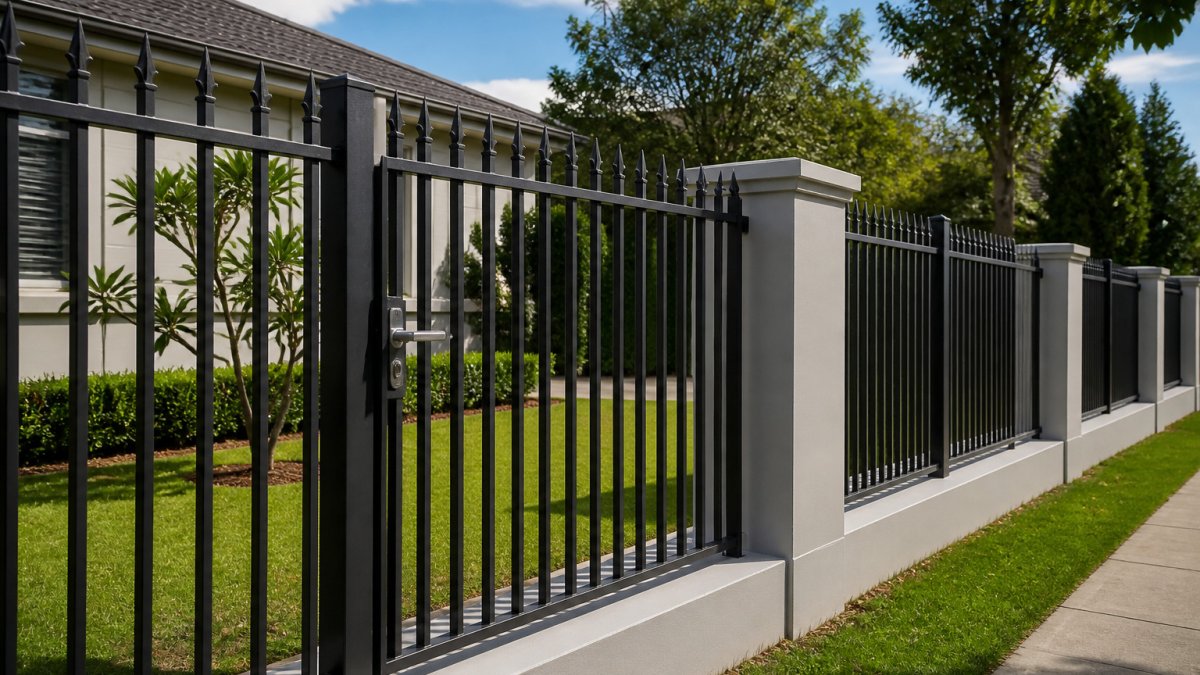
The distinction matters: pool safety fencing has specific Victorian regulatory requirements, and automated gates also require electrical knowledge and ongoing support.
AK FENCING VIC PTY LTD offers the full range: residential Colorbond and timber fencing, pool safety solutions, commercial security fencing, automated gate systems, and engineered retaining walls.
Understanding Fencing Installation Quotes and What's Included
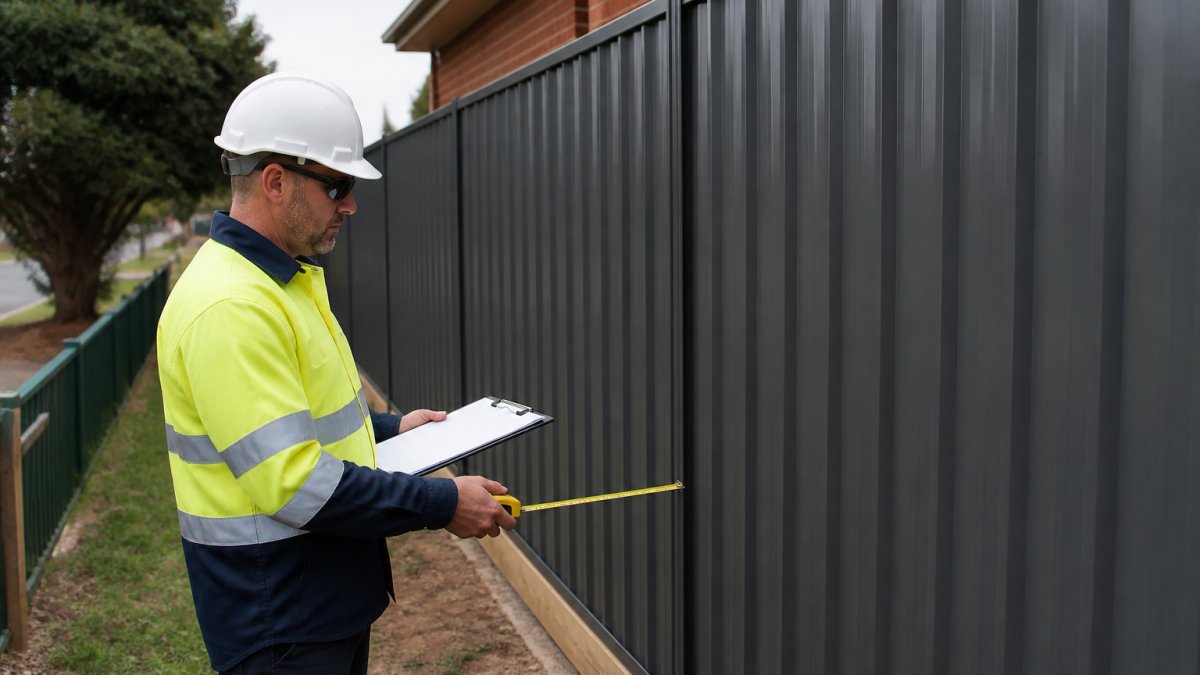
Most fencing quote comparisons fail because the documents don't describe the same job. One quote may assume the old fence is gone; the other includes removal. One may price a standard-gauge 1.8m Colorbond panel; the other a lighter sheet. Before comparing a single figure, force both providers onto the same specification sheet.
Build a like-for-like specification first
Write down the job in the same terms you would give both contractors, and ask each to quote against it line by line:
- Fence type and height (for example, 1.8m Colorbond, or 1.8m treated pine palings)
- Linear metres and number of posts, rails and panels
- Post spacing and footing depth
- Gate type, width, hinges, latch and any automation
- Removal and disposal of the existing fence
- Site access constraints (slope, retaining, tight side access, services)
- Clean-up and spoil removal
If a quote will not break the job down this way, that is itself useful information about how the provider works.
The cost lines that move a fencing quote
A residential fencing quote is rarely just materials plus labour. The biggest cost swings come from:
- Removal and disposal. Old fencing, concrete footings and green waste all carry a cost. Ask whether removal is included or priced as a provisional sum.
- Site preparation. Clearing vegetation, levelling, and working around existing structures or services add labour and plant time.
- Ground conditions. Rock, reactive clay, poor drainage or buried services can change footing design and cost. Ask how the contractor handles a variation if ground conditions differ from what was quoted.
- Footings and concrete. Post depth, hole diameter and concrete volume are the difference between a fence that stands for decades and one that leans within a few seasons. Ask for the specified depth and mix in writing.
- Gates and hardware. A gate is a separate sub-job: heavier posts, different hinges, and often a different warranty. Confirm it is itemised.
- Access and staging. A rear fence with no vehicle access costs more in labour than a front fence you can back a ute up to.
Provisional sums, variations and the contract
Under Australian Consumer Law, a quote must not be misleading, and fine print can't change the deal after you agree. Before signing, you should see:
- What is a fixed price and what is a provisional sum or allowance
- How variations are priced and who approves them
- The payment schedule and any deposit
- The start and completion timeframe, and what happens with weather delays
- Who is responsible for permits or approvals if any are required
The cheapest quote often carries the most provisional sums and vaguest scope. A higher quote that fixes scope and itemises removal, footings and gates is often cheaper in the end.
A practical comparison method
Put both quotes against your specification sheet and mark each line included, excluded, or provisional. Ask each provider to confirm exclusions in writing, how they answer previews how they'll handle a mid-job variation.
Fence Lifespan and Durability: Material Comparison
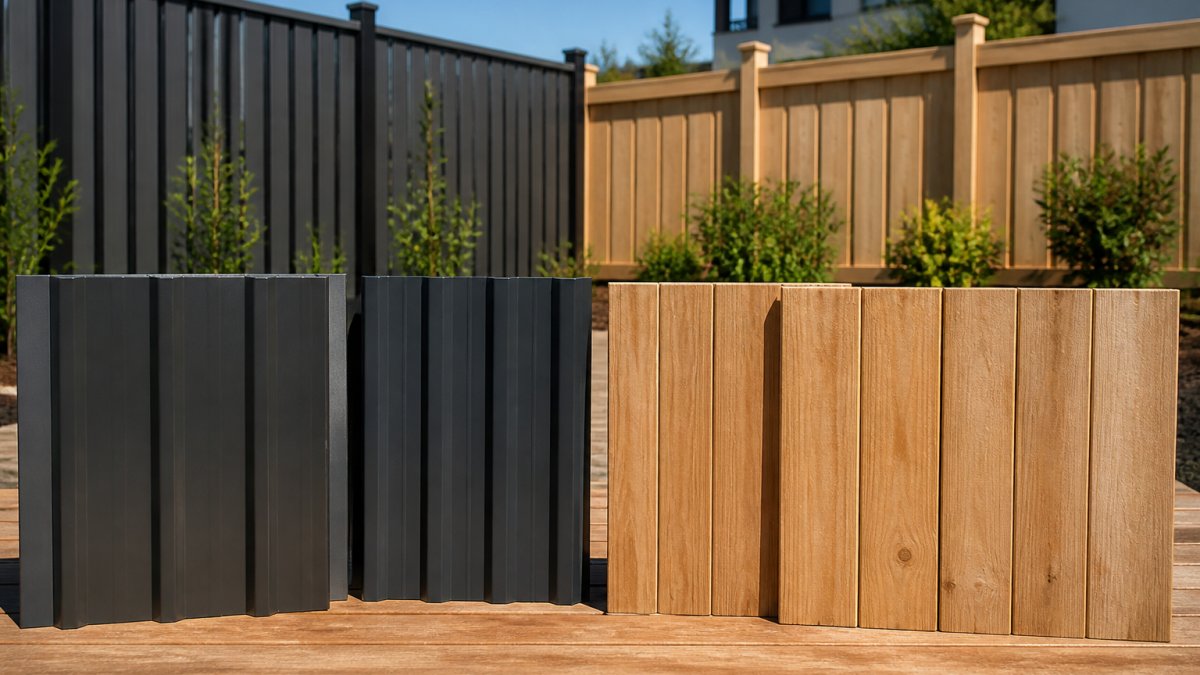
Colorbond steel fencing typically lasts 15-20 years in Melbourne's climate when installed correctly. The key is proper post installation: concrete footings, adequate drainage, and posts clear of standing water.
Timber fencing (hardwood treated pine or native timber) lasts 10-15 years with maintenance; softwood often fails within 5-8 years. The difference comes down to timber grade, treatment quality, and whether the contractor sealed the timber after installation.
Material lifespan depends on three factors: timber grade or steel gauge, installation depth and concrete quality, and post-installation maintenance.
Licensing, Insurance, and Warranties
This is the part most buyers skip and most marketing pages gloss over. Rather than repeat what either provider says about itself, use a verification checklist you can run against any fencing contractor.
Verify the licence, not the logo
Fencing and associated building work is regulated at state level, with requirements varying by work and value. In Victoria, domestic building work above a threshold generally requires a registered building practitioner, and the Victorian Building Authority (VBA) keeps a public register searchable by name or licence number. Ask for the licence number in writing and check it yourself rather than trusting a website badge.
- Confirm the licence class matches the work (fencing, structural, or domestic building as applicable).
- Check the registration is current and in the name of the entity you are contracting with.
- Ask who will actually be on site and whether any work is subcontracted.
Confirm insurance is current
Public liability insurance protects you if someone is injured or property damaged during the job. Ask for a certificate of currency and check it's current and the insured entity matches the quote. For larger or structural work, ask whether domestic building insurance applies, in Victoria it's generally required above a set contract value and protects you if the builder dies, disappears or becomes insolvent.
Read the warranty as a document, not a promise
Warranties in fencing usually split into two parts: workmanship and materials. They are not the same thing, and they are often different lengths.
- Workmanship warranty covers installation defects, posts that move, panels that are out of line, gates that drop.
- Material warranty comes from the manufacturer, not the installer. For Colorbond steel, the manufacturer publishes warranty terms that depend on the product, the environment and correct installation; ask for the relevant document.
- Statutory guarantees sit underneath both. The Australian Consumer Law consumer guarantees apply to services and cannot be excluded by a warranty, so a short written warranty does not remove your rights if the work is not done with due care and skill.
Ask for the warranty in writing and check what's covered, what's excluded (weather, impact, poor maintenance), how long it runs, who honours it, and how to claim.
Plan for disputes before you need to
A practical dispute path looks like this:
- Raise the issue in writing with the contractor and set a reasonable deadline to respond.
- If unresolved, check whether the work is covered by domestic building insurance and whether the insurer has a claims process.
- Contact the state consumer affairs or fair trading body for your jurisdiction for advice and, where available, a dispute resolution service.
- For licensed building work, the relevant building authority can advise on the licence and complaints process.
Keep the contract, quotes, variations, photos and correspondence together, most disputes are won or lost on paperwork, not argument.
Questions that separate providers quickly
- "What is your licence number, and which entity is it registered to?"
- "Can you send a current certificate of currency for public liability?"
- "Does domestic building insurance apply to this job, and who arranges it?"
- "Can you send your written workmanship warranty and the manufacturer's material warranty?"
- "If I have a problem in twelve months, what is the process and who do I contact?"
A provider who answers these promptly in writing demonstrates the record-keeping you'll rely on if something goes wrong. One who deflects or answers only verbally is telling you something too.
Questions to Ask a Fencing Contractor Before You Commit
Before signing a contract, ask these questions to separate contractors who know their work from those who cut corners:
On site preparation: "What happens if you find rock, poor soil, or contaminated ground during digging? Will you quote that separately, or is it included in your estimate?" A contractor who says "we'll handle it" without clarifying cost is hiding risk.
On materials: "What grade of timber are you using?" (Insist on treated hardwood, not softwood). "What gauge is the Colorbond?" (Standard is 0.42mm; cheaper contractors use thinner).
On installation standards: "How deep will you set posts?" (Minimum 600mm for residential, deeper for commercial or slopes).
On warranty: "Can you provide your warranty in writing?" If they refuse, walk away.
On timelines: "How long will this take?" "What happens if weather delays the job?" "Will you be here the whole time, or subcontracting parts of the work?"
How to Choose Between the Two
Start with your needs. For a straightforward residential fence on a flat, clear site, both contractors can deliver.
Next, compare quotes, but compare them properly. Request quotes from both contractors using the same specifications: same fence type, same height, same materials, same site conditions.
Finally, trust your instinct about communication.
But here's what we've learned at AK FENCING VIC PTY LTD: property owners don't regret paying a bit more for a contractor they trust.
Frequently Asked Questions
What should I look for when comparing fencing installation quotes from different contractors?
When comparing fencing installation quotes, check that each quote specifies the material type, panel height, post spacing, site preparation costs, and labour rates clearly. Ask whether the quote includes gate installation, automation systems, or retaining walls if you need them. Verify that each contractor is licensed and insured, and confirm the timeline and payment schedule. Hidden costs often emerge when ground conditions are poor, so ask upfront how site inspection findings affect the final price and whether variations are included in the quote or charged separately.
How long do Colorbond and timber fences typically last?
Colorbond fencing typically lasts 15-20 years or longer with minimal maintenance, as it resists rust and weathering. Timber fencing usually lasts 10-15 years depending on the timber grade, climate exposure, and maintenance frequency. Both depend heavily on installation quality and regular upkeep. A fence builder who uses proper post footings, quality materials, and correct spacing will extend the lifespan significantly. Ask your fencing contractor what maintenance schedule they recommend and whether their workmanship guarantee covers material failure or workmanship defects.
What are the most important questions to ask a fencing contractor before hiring?
Ask whether they are licensed and insured, what their experience is with your specific fence type (Colorbond, timber, pool safety, security), and whether they provide a written workmanship guarantee. Confirm the project timeline, payment terms, and whether the quote includes site inspection and ground preparation. Ask how they handle unexpected conditions like poor soil or underground utilities, and whether variations are charged separately. Request references from recent projects and clarify what happens if the fence needs repair within the first year. These questions help you avoid contractors who disappear after installation or charge surprise fees.
Does pool safety fencing need to meet specific regulations?
Yes. Pool safety fencing in Victoria must comply with the Building Code of Australia and the Swimming Pools Act 2017. Fences must be at least 1.2 metres high, have gaps no wider than 100 millimetres, and gates must be self-closing and self-latching. A qualified fencing contractor will know these requirements and ensure your installation passes inspection. Always ask your fence builder to confirm they understand local pool safety standards before you sign a contract, as non-compliant fencing can create liability issues and may not satisfy insurance requirements.
When you're ready to move forward, get a free quote from AK FENCING VIC PTY LTD. We'll inspect your site, explain exactly what you need and why, and provide a transparent quote with no hidden costs. Our fully licensed and insured team backs every project with a workmanship guarantee, so you can install with confidence. Check the Victorian Building Authority's contractor registry to verify any contractor's credentials before you commit.