 ultimate-guide
Colorbond Fencing Installation Cost: Melbourne Guide
Table of Contents
- What Drives Colorbond Fencing Installation Cost in Melbourne
- Colorbond Fence Price Per Metre: What to Expect
- Fencing Permit Requirements and Building Regulations
- DIY vs Professional Colorbond Fence Installation
- Removal and Disposal of Your Existing Fence
- Standard Fence Heights and 1.8m Boundary Fencing
- How to Get an Accurate Colorbond Fencing Quote
- Frequently Asked Questions
Last Updated: October 2, 2026
What Drives Colorbond Fencing Installation Cost in Melbourne
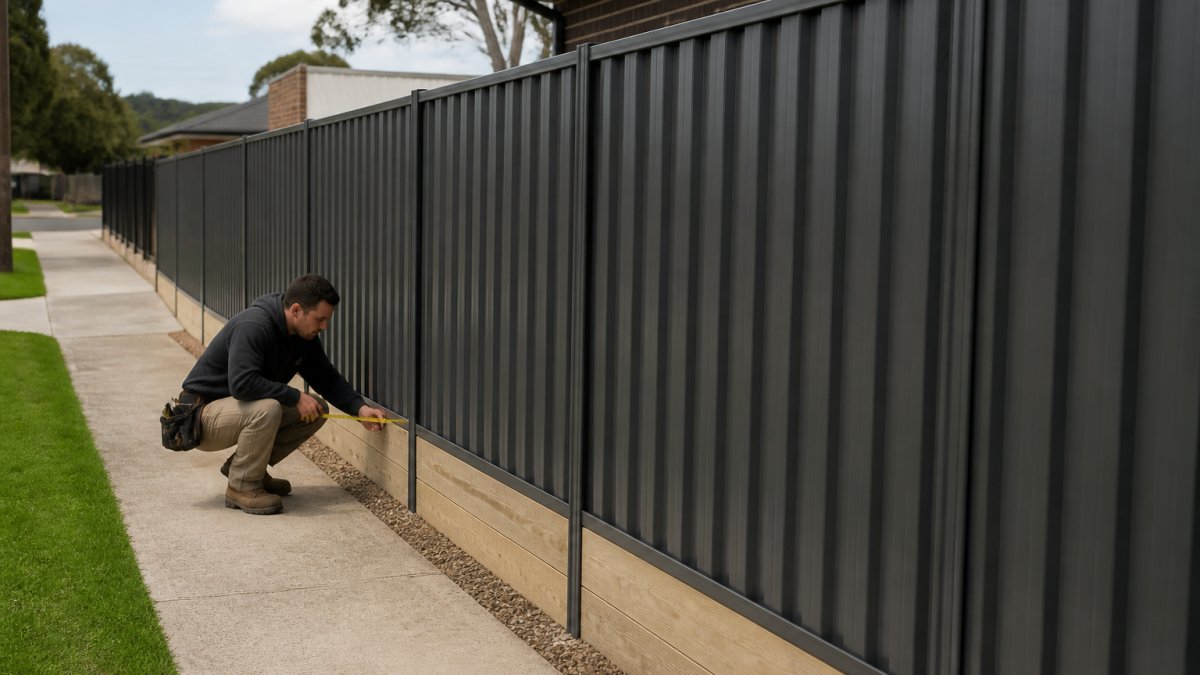
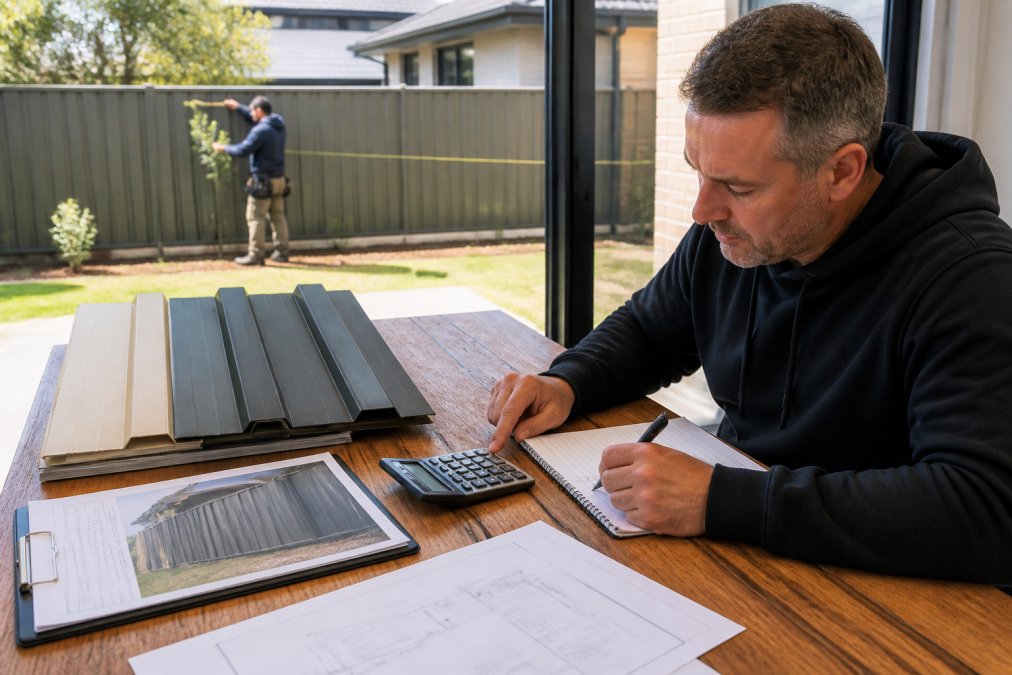
Working out the Colorbond fencing installation cost Melbourne homeowners actually face starts with one fact: the price per metre is set by your site, not by a flat rate. Two identical-looking boundary fences can land at very different totals because access, soil and ground slope change how much labour and preparation the job needs. At AK FENCING VIC PTY LTD, we quote every project after inspecting the fence line rather than over the phone, because those three variables decide most of the number.
| Cost Driver | What It Changes | Effect on Total |
|---|---|---|
| Site access | Machinery and material handling | Moderate to high |
| Soil conditions | Post-hole digging time | Moderate to high |
| Fence height | Panels, posts and rails | High |
| Old fence removal | Labour and tip fees | Moderate |
| Boundary length | Everything above | High |
Site Access and Preparation
Tight side passages, sloping blocks and established gardens all slow a job down, and that time shows up in your quote. If a machine cannot reach the fence line, posts get dug by hand and materials are carried in, which adds labour hours. Clearing vegetation, marking services and setting out the line are preparation steps that a reputable contractor prices in upfront rather than discovering mid-job.
Soil Conditions and Post-Hole Digging
Soil is the single most under-quoted factor in fencing. Sandy or loamy ground digs quickly; heavy clay, rock or fill requires different equipment and more time per hole. This is where "unexpected ground conditions" clauses appear in cheap quotes. A contractor who inspects first can tell you what your soil will do before digging starts.
Colorbond Fence Price Per Metre: What to Expect
A Colorbond fence price per metre is best understood as two separate numbers: what the materials cost and what the labour costs to install them. Suppliers and installers quote these differently, so a low headline rate often hides a higher labour component added later. Ask for the split in writing.
The Two Numbers Behind Every Rate
Material costs cover the Colorbond steel panels, posts and rails, plus concrete for footings and any premium colour or finish you choose. Labour costs cover excavation, post setting, panel fixing, cutting on site and cleanup. On straightforward ground, materials and labour sit in a similar range; on difficult sites, labour can overtake materials.
What Actually Moves the Per-Metre Rate
| Variable | Typical Effect on Rate | Why |
|---|---|---|
| Fence height (1.8m vs 2.1m+) | Higher | More panel, post and rail material per metre |
| Site access (tight passage, no machine) | Higher | Hand digging and manual material handling |
| Soil (sand/loam vs clay/rock/fill) | Higher | Slower post-hole digging, different equipment |
| Ground slope | Higher | Stepped panels, extra cutting and posts |
| Run length | Lower per metre | Fixed setup costs spread over more metres |
| Old fence removal | Added line item | Demolition labour plus tip fees |
A Worked Example
Take a 20m straight boundary on level, accessible ground with sandy soil and no old fence to remove. The installer measures the run, confirms the 1.8m height, and quotes a per-metre rate that covers panels, posts, rails, concrete and labour. Now change one variable, say the block slopes and the side passage is too narrow for a machine. The same 20m now needs stepped panels, extra posts and hand-dug holes, so the per-metre rate rises even though the fence looks identical from the street.
Why We Quote After Inspection
A phone estimate of your Colorbond fencing installation cost Melbourne wide can only guess at soil, slope and access. A site inspection turns those guesses into knowns, which is why a written quote after inspection is more reliable than a headline rate. If a contractor will not inspect before quoting, treat the number as indicative only.
Fencing Permit Requirements and Building Regulations
Most standard boundary fencing in Victoria does not need a council permit, but height, location and overlays can change that. The confusion most homeowners hit is that "permit" can mean two different things, a building permit and a planning permit, and they are triggered by different rules.
Building Permit vs Planning Permit
A building permit relates to the construction and safety of the fence itself. A planning permit relates to how the fence affects the surrounding area, such as heritage or neighbourhood character overlays. A fence can need one, both or neither depending on where it sits and how tall it is.
When a Permit Is Usually Triggered
As a general guide, the following situations commonly require you to check with your local council before building:
- Height above the standard. A fence higher than the permitted height for its location generally needs approval. The standard residential boundary height is 1.8m in most situations, but this can be lower on a front boundary or a corner.
- Corner or main road frontage. Fences on a corner or facing a main road often face extra rules because of sightlines for traffic and pedestrians.
- Heritage or estate overlay. If your property sits within a heritage overlay or a designed estate, the fence design, height and materials may need approval.
- Pool fencing. Pool barriers are governed by separate safety standards and must comply regardless of height. This is not a council discretion, it is a legal requirement.
- Retaining walls combined with fencing. If the fence sits on or acts as a retaining wall above a certain height, building permit rules can apply to the wall component.
How to Check Before You Build
Before you commit, confirm two things: whether your fence needs a permit, and whether it complies with Victorian building regulations on fencing. Your local council's planning department can confirm overlay status for your address, and a contractor who understands local rules will flag this during quoting, not after.
What This Means for Your Quote
If a permit is required, it adds time and a council fee to the project, and it may restrict the height or style you can build. A quote that ignores permit status is incomplete. Ask your contractor to confirm in writing whether a permit is needed for your specific boundary, and factor any approval time into your schedule before ordering panels.
DIY vs Professional Colorbond Fence Installation
DIY can look cheaper because you only pay for materials, but the gap closes fast. Colorbond is unforgiving of poorly set posts: a fence that is out of line, under-depth or badly footed will lean and rattle within a season. Professional installation also brings a workmanship guarantee, which DIY cannot.
Removal and Disposal of Your Existing Fence
Removing an old fence means demolition, disposal and tip fees, and these are real line items in any accurate quote. Timber, chainwire and old Colorbond all come out differently. A common mistake is accepting a quote that silently omits removal, then facing a surprise charge once the old fence is down. Ask directly whether removal and rubbish removal are included.
Standard Fence Heights and 1.8m Boundary Fencing
A 1.8m fence is the standard height for residential boundary fencing in most situations, and it is what most Melbourne homeowners request for privacy. Standard height matters because it affects both material quantity and, in some cases, whether a permit is required. Going higher than the standard often triggers additional approval. Confirm the correct height for your boundary before ordering panels.
How to Get an Accurate Colorbond Fencing Quote
An accurate quote comes from a site inspection, not a phone estimate. Use this checklist when comparing contractors:
- Does the quote include a site visit and fence-line measurement?
- Are material and labour costs itemised separately?
- Is removal and disposal of the old fence included?
- Is the soil type and access noted?
- Is the fence height and any permit requirement confirmed?
- Is there a written workmanship guarantee?
Frequently Asked Questions
Is Colorbond the cheapest fencing option available?
No. Colorbond sits in the mid-to-upper range for fencing materials. Timber paling fencing typically costs less upfront, while glass and aluminium options usually cost more. Colorbond fencing installation cost in Melbourne reflects its durability, corrosion resistance and low maintenance requirements. Over a 20-year period, the total project cost often works out lower than timber because you avoid repeated painting, rotting and replacement. For a boundary fence that needs to last, Colorbond offers strong long-term value even if the initial outlay is higher.
What factors influence the total cost of Colorbond fencing installation?
Several variables affect the final price. The length of the fence line and number of corners or returns matter most. Site access determines how easily equipment and materials reach the work area. Soil conditions can add cost if rocky ground requires extra digging effort. Slope affects how many posts and panels you need. Removal and rubbish removal of an old fence adds to the total. Premium colours and powder-coated finishes cost more than standard colours. Labour rates vary between fencing contractors. Each of these factors affecting fencing installation cost should be itemised in your quote.
Does the slope of my land affect the cost of Colorbond fencing?
Yes. A sloping block requires more posts and often stepped panels to follow the contour of the land. Stepped installation uses additional materials and takes longer, which increases labour costs. Steep slopes may also need retaining walls or engineered footings for stability. If your backyard has uneven terrain, ask your fencing contractor to assess whether a retaining wall is necessary before installation begins. Addressing slope issues upfront prevents structural problems and unexpected costs later.
Are there additional costs for removing an old fence before installation?
Removal and disposal of an existing fence is almost always a separate line item. Costs depend on the fence type, length and accessibility. Timber fences are generally quicker to remove than concrete or metal. You will also pay for rubbish removal, which covers loading, transport and tip fees. Some fencing contractors include removal in a supply and install package, while others quote it separately. Always confirm whether removal and disposal are included before comparing quotes.
What is the best time of year to install a fence?
Autumn and early spring offer the most reliable conditions for fencing installation. Soil is workable without being waterlogged, and temperatures suit concrete curing. Summer can be busy for fencing contractors, so booking ahead helps secure your preferred date. Winter rain can delay post-hole digging and concrete footings. If you need the fence before summer for pool safety or privacy, schedule the work at least four to six weeks in advance. Ask your contractor about lead times during peak periods.
How do I know the quote covers everything with no hidden costs?
Ask for a fully itemised quote that lists material costs, labour rates, removal and disposal, permit fees if applicable, and any site-specific charges. A transparent fencing contractor will specify the fence height, colour, panel type, post spacing and concrete footing details. If the quote only gives a lump sum, request a breakdown. Confirm whether GST is included and whether the price is fixed or subject to change if unexpected ground conditions arise. Getting this in writing protects you from surprise charges once digging starts.
Fencing costs are hard to pin down until someone actually looks at your boundary, soil and access. AK FENCING VIC PTY LTD provides fully licensed and insured installation with a workmanship guarantee, customised solutions for residential and commercial properties, and transparent, obligation-free quotes with no hidden costs. Get a free quote from AK FENCING VIC PTY LTD and get a Colorbond fencing installation cost in Melbourne based on your actual site, not a guess.