 Ultimate guide
Why Colorbond Fences Last Longer: Durability Explained
Table of Contents
- Why Colorbond Fences Last Longer: The Steel and Coating Advantage
- Colorbond Fence Lifespan: What to Expect in Different Environments
- How to Stop Colorbond Fence Rusting: Protective Measures That Extend Service Life
- Colorbond Fence Maintenance: Keeping Your Investment Protected
- Colorbond vs Timber Fence Durability: Why Steel Outperforms Wood
- Installation Quality and Its Effect on Longevity
- Weather Resistance: How Colorbond Fences Handle Rain, Hail, Wind, and Harsh Conditions
- Warranty and Real-World Lifespan: What Manufacturers Promise Versus What Homeowners Experience
- Frequently Asked Questions
Last Updated: October 21, 2026
Why Colorbond Fences Last Longer: The Steel and Coating Advantage
Colorbond fences last longer than timber and many other materials because the steel and protective coating work together. The durability difference shows within a few years.
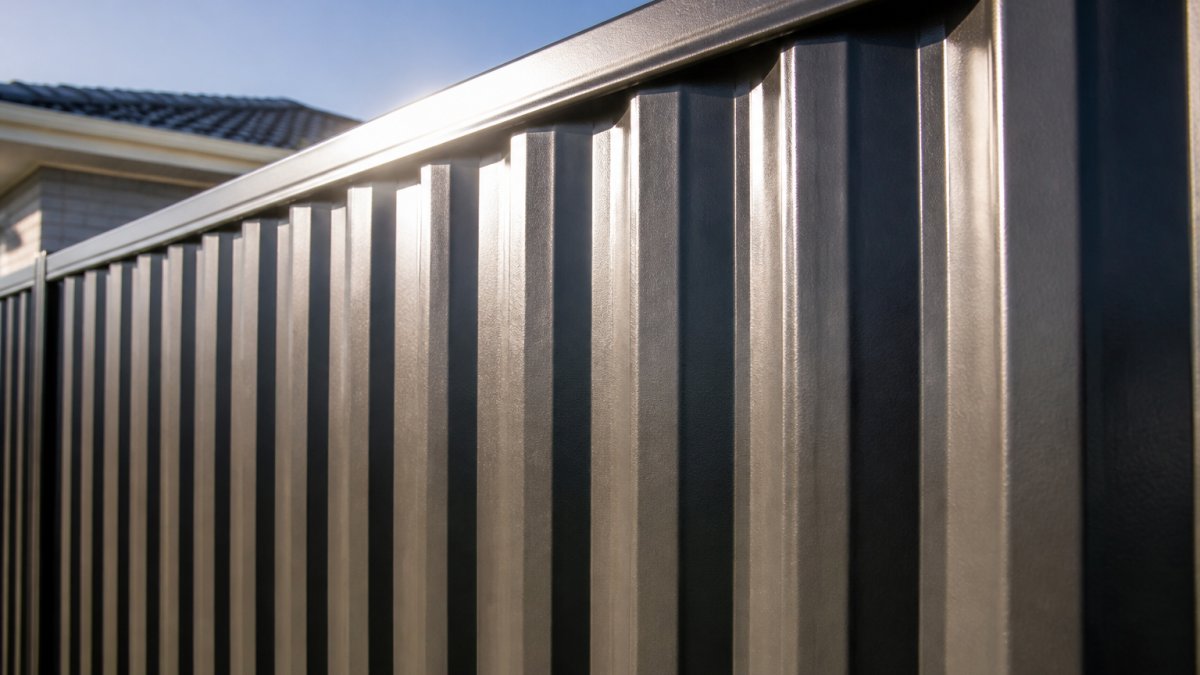
The protective coating is where the real durability lives. Colorbond steel carries a multi-layer finish bonded chemically to the surface, creating a barrier against moisture, oxygen and salt.
Steel strength also matters. Timber weakens as moisture penetrates the fibres, causing rot from the inside out.
How the protective coating system works
The coating isn't a single layer. A zinc and aluminium alloy base layer (Zincalume) provides cathodic protection, meaning the zinc sacrifices itself to protect the steel underneath. Over this sits a polyester topcoat that resists UV fading and holds colour. Even if one layer is compromised, the underlying layers keep protecting the steel.
This is fundamentally different from painted timber. A scratch through paint exposes bare wood, which absorbs moisture and begins rotting. A scratch through a Colorbond coating exposes the zinc layer beneath, which still protects the steel.
Steel strength versus other materials
Steel is significantly stronger than timber, brick and vinyl by weight.
Timber needs ongoing maintenance to hold its strength. As moisture enters the fibres, the wood loses density, and after 10-15 years timber posts often need reinforcement or replacement.
Brick is rigid but brittle, cracking under impact or ground settlement. Steel flexes slightly under stress, distributing force across the panel, so it handles wind, hail and accidental impact far better.
Colorbond Fence Lifespan: What to Expect in Different Environments
Service life varies with environment and installation quality. A Colorbond fence inland will outlast the same fence in a coastal area where salt spray and moisture are constant.
Coastal and high-moisture areas
Coastal environments are the harshest test for any steel fence. Salt spray accelerates corrosion by attacking the coating and steel substrate directly. In these areas a Colorbond fence typically lasts 20-30 years with proper maintenance, versus 30-40 years inland.
High-moisture inland areas near swamps, dams or poorly drained soil create similar challenges. Standing water keeps the fence surface wet, preventing the natural drying that slows corrosion, so inspection becomes critical.
Inland and temperate climates
Inland properties with moderate moisture exposure see Colorbond fences lasting 35-40 years or longer, since salt and constant moisture aren't attacking the coating. These fences can often go 3-5 years between inspections.
The key difference is drying cycles. Inland, the fence dries regularly after rain, preventing the sustained moisture that accelerates corrosion. That's why many Melbourne properties with Colorbond fencing installed 20+ years ago still show minimal rust or coating degradation.
How to Stop Colorbond Fence Rusting: Protective Measures That Extend Service Life
Rust doesn't appear overnight on a Colorbond fence. It begins when the protective coating is compromised and moisture reaches the steel, so catching it early is the most effective way to extend lifespan and avoid expensive repairs.
Understanding rust formation on steel
Rust requires three elements: steel, oxygen and moisture. The Colorbond coating blocks moisture from reaching the steel, so when it's intact rust cannot form.
The process starts slowly, but once corrosion begins under the coating it spreads laterally, eating away at the steel beneath the surface.
Salt accelerates this dramatically. In coastal areas, salt crystals on the coating attract moisture from the air, keeping the fence perpetually damp, which breaks down the coating faster and feeds rust as soon as damage occurs.
Inspection and early intervention
Inspect your fence twice yearly, in spring and autumn, looking for scratches, dents, peeling coating or discolouration. Early rust appears as small brown or orange spots, often at the base of posts where moisture accumulates.
If you find a scratch or damaged area, clean it and apply a protective coating or rust converter immediately to seal it and stop moisture penetrating further.
For coastal or high-moisture properties, consider a professional coating inspection every 2-3 years. A professional can spot degradation not yet visible to the naked eye and recommend recoating before corrosion begins.
Colorbond Fence Maintenance: Keeping Your Investment Protected
Colorbond fencing is genuinely low-maintenance compared to timber, but "low-maintenance" doesn't mean "no maintenance."
Seasonal cleaning and inspection schedule
Spring: Inspect for winter damage, rust spots, coating damage or debris.
Summer: Look for sun damage or UV fading, particularly on west-facing panels. In coastal areas, rinse with fresh water to remove salt spray, and check for storm damage.
Autumn: Clear leaves and organic matter from the fence base, as these trap moisture and lead to rust. Inspect posts for movement or loosening.
Winter: In heavy-rainfall areas, ensure water drains away from the fence line and that guttering or drainage isn't directing water onto the fence base.
Addressing damage promptly
When you find a scratch, dent, or coating damage, treat it immediately.
For minor scratches: Clean the area, apply a rust converter if any rust is visible, and seal with a touch-up coating or clear protective paint.
For larger damage or dents that can't be easily repaired: Contact a fencing professional to assess whether the panel needs replacement.
For rust spots: Treat immediately with a rust converter product, which chemically converts rust to a stable compound. Follow with a protective coating to seal the area.
Colorbond vs Timber Fence Durability: Why Steel Outperforms Wood
The durability comparison between Colorbond and timber fencing is stark. Timber requires constant maintenance to remain functional, while Colorbond requires minimal intervention. Over a 30-year period, this difference compounds dramatically.
Resistance to rot, warping, and insect damage
Timber absorbs moisture, which causes rot from the inside out. Once rot begins, it spreads quickly and weakens the wood structurally.
Warping is another timber problem. As moisture content fluctuates with seasons, timber expands and contracts. Over years, this cycling causes boards to warp, twist, and split.
Timber is also vulnerable to termites and wood-boring insects in Australian climates. These pests can destroy structural integrity without obvious external signs. Colorbond has no vulnerability to insects, the steel substrate is completely resistant to biological attack.
Long-term maintenance costs and replacement cycles
Timber fencing typically requires repainting or resealing every 3-5 years to maintain weather resistance. Each cycle costs money and labour.
Timber posts often need replacement at 15-20 years due to rot or insect damage. Colorbond posts, when properly installed and maintained, remain functional for 35+ years.
When comparing total cost of ownership over 30 years, Colorbond consistently comes out ahead despite higher initial installation costs. The labour savings alone, no regular repainting, no emergency repairs from unexpected rot, justify the investment.
Installation Quality and Its Effect on Longevity
The best coating system in the world won't protect a poorly installed fence. Installation quality directly determines how long your fence lasts and how much maintenance it requires.
Proper post installation and ground preparation
Posts must be set deep enough to resist lateral movement and must be installed perfectly vertical. Posts that lean or shift create stress points in the fence structure and allow water to pool around the base, accelerating corrosion.
Ground preparation matters enormously. If the ground slopes toward the fence line, water will pool at the base. If the soil is compacted poorly, posts will shift over time. A professional installer assesses the site, corrects drainage issues, and prepares the ground properly before installation begins.
Drainage and soil conditions
Poor drainage is the single biggest threat to fence longevity. Water that pools at the base of posts creates an environment where rust accelerates rapidly.
Soil type also affects longevity. In clay-heavy soils that retain moisture, posts corrode faster because the soil stays wet longer. Sandy soils drain quickly, reducing moisture exposure. A professional installer knows these differences and adjusts post installation depth and concrete specifications based on soil conditions.
Weather Resistance: How Colorbond Fences Handle Rain, Hail, Wind, and Harsh Conditions
Colorbond steel is engineered to handle Australian weather extremes.
Rain exposure is where Colorbond excels. Unlike timber, which absorbs water and degrades from inside, Colorbond sheds water.
Hail impact is absorbed by the steel's flexibility.
Wind stress is distributed across the steel structure rather than concentrated at weak points like timber joints.
Temperature swings cause minimal expansion and contraction in steel compared to timber. Timber moves noticeably with temperature changes, which creates stress at joints and fasteners.
Warranty and Real-World Lifespan: What Manufacturers Promise Versus What Homeowners Experience
Colorbond manufacturers typically warrant their coating for 10-15 years against perforation (rust breaking through the coating). This is a conservative warranty that reflects worst-case scenarios.
A Colorbond fence installed in an inland, temperate climate often remains in excellent condition at 25-30 years with minimal maintenance.
The difference between warranty and real-world lifespan comes down to maintenance and environment.
When you're evaluating fencing options, don't focus solely on warranty length. Instead, ask about typical lifespan in your specific environment and what maintenance is required to achieve it.
The decision to install Colorbond fencing is fundamentally a choice to invest in durability. When you're ready to discuss your fencing project and explore how a properly installed Colorbond fence can protect your property long-term, get a free quote from our team.
Frequently Asked Questions
How long does a Colorbond fence last compared to timber?
Colorbond fences typically last 20-30 years or more with proper maintenance and installation, whereas timber fences often require replacement after 10-15 years. The steel and protective coating resist rot, warping, and insect damage that timber cannot withstand. Coastal or high-moisture environments may reduce lifespan for both materials, but Colorbond's corrosion resistance means it degrades far more slowly than wood exposed to moisture and UV exposure.
How do you stop a Colorbond fence from rusting?
Prevent rust by inspecting your fence twice yearly for scratches or damage to the coating, cleaning it annually with mild soap and water to remove salt and debris, and addressing any exposed steel immediately with touch-up paint. Ensure proper drainage around fence posts so water doesn't pool at the base. In coastal areas, rinse the fence more frequently to remove salt spray. Most rust issues stem from installation damage or neglected maintenance rather than coating failure on intact panels.
Does Colorbond fencing need regular maintenance?
Colorbond fencing requires minimal maintenance compared to timber. Annual cleaning with water and mild detergent removes salt, dirt, and organic growth that can hold moisture against the steel. Inspect for scratches, dents, or damage to the protective coating and repair them promptly to prevent rust formation. Unlike timber, you won't need repainting, staining, or treating for rot or termites. Most homeowners find Colorbond maintenance takes just a few hours per year, making it significantly lower-maintenance than timber or brick alternatives.
What makes Colorbond fencing resistant to rust and weather?
Colorbond steel is coated with a multi-layer protective system that includes a metallic layer and tough polyester topcoat, creating a barrier between the steel and moisture or salt spray. This coating resists UV damage, preventing colour fading and protecting the underlying metal. The steel itself is engineered to withstand bending and impact without cracking the coating. Together, the material system provides excellent corrosion resistance in harsh weather, hail, wind, and coastal salt spray, environments where timber would rot and uncoated steel would rust rapidly.