 Ultimate guide
Modern Automated Gate Installation Cost: 2026 Guide
Table of Contents
- What Automated Gate Installation Costs Include
- Cost to Automate an Existing Gate
- Sliding Gate Installation Cost vs Swing Gates
- Electric Gate Motor Cost and Opener Systems
- Key Factors That Affect Automated Gate Installation Pricing
- Automated Gate Maintenance and Long-Term Costs
- Installation Labour, Timeline, and Project Duration
- Getting an Accurate Installation Quote
- Frequently Asked Questions
Last Updated: October 17, 2026
What Automated Gate Installation Costs Include
When you're considering an automated gate installation cost, understanding what's bundled into the total price is crucial. Most installations involve multiple components: the gate structure itself, the motorised opener system, electrical infrastructure, labour, and site preparation. Each of these layers adds to your final bill, and knowing where your money goes helps you budget accurately and avoid surprises during the project.
The automated gate installation cost breaks down into hardware, labour, and ancillary work. Hardware includes the gate frame, panels or slats, hinges, locking mechanisms, the motor unit, control systems, and safety features like sensors. Labour covers installation, electrical wiring, testing, and commissioning. Site preparation might involve ground levelling, concrete footings, or drainage work, especially important if your property has challenging terrain.
At AK FENCING VIC PTY LTD, we always itemise quotes to show exactly what you're paying for, because hidden costs breed mistrust.
Cost to Automate an Existing Gate
If you already have a manual gate, automating it is often cheaper than replacing it entirely. The cost to automate an existing gate depends on the gate's condition, material, and whether it's a sliding or swing design.
The motorised opener and control system are the primary additions. A quality gate motor, receiver, and remote controls can be installed on most existing gates without structural modifications. However, the gate must be in sound condition. Rust, rot, misalignment, or worn hinges mean repairs before automation, which increases total cost.
Site conditions matter too. If your existing gate has weak foundations or poor drainage around the posts, those issues need fixing first. Weak footings won't support a motor safely, the extra weight and forces from automated operation demand solid structural support. This is where many projects encounter unexpected expenses: the gate itself is fine, but the installation base isn't.
Sliding Gate Installation Cost vs Swing Gates
Sliding gates and swing gates have different installation profiles, and that difference shows in cost.
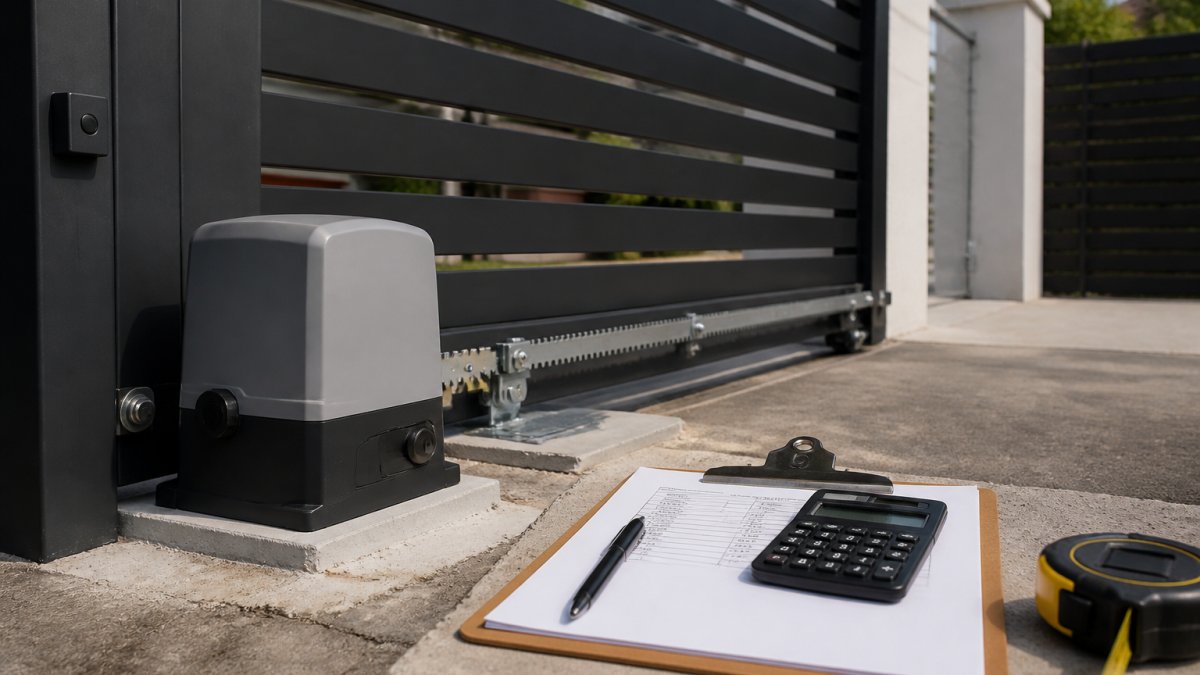
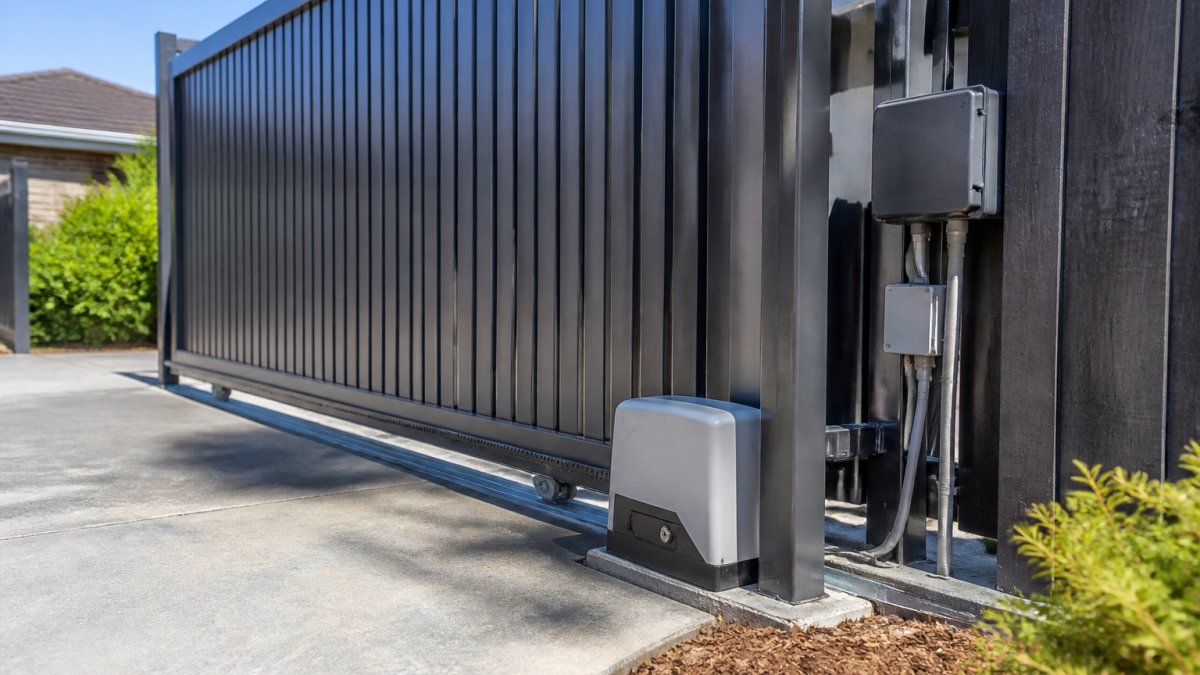
Sliding gates require a concrete or steel track running the full length of the opening. The track must be level and properly drained to prevent water pooling and rust.
Swing gates need two strong posts and heavy-duty hinges. They swing outward or inward, so they demand clear space on one side. The motor, called an actuator or swing arm operator, mounts between the post and the gate.
For most residential driveways, swing gates are more affordable to install because they require less ground work. However, if space is tight or you prefer the appearance of a sliding gate, the extra cost is often justified.
Electric Gate Motor Cost and Opener Systems
The electric gate motor is the heart of your automated system, and its cost varies widely based on power, features, and reliability. A basic gate motor suitable for residential use ranges in cost depending on the gate weight and the frequency of operation.
Modern gate opener systems often include smart features: remote controls, keypad entry, intercom integration, and mobile app access. These features increase the base motor cost but add genuine convenience and security.
Safety features are mandatory in automated gate systems. Sensors detect obstacles in the gate's path and trigger reversal if something blocks the opening. Edge sensors, pressure-sensitive edges, or infrared beams all serve this function. These safety components are non-negotiable, they're required by Australian safety standards and protect people and vehicles.
The motor installation itself involves mounting the unit, running electrical cable from your home or a dedicated power supply, and wiring the safety sensors. If your driveway is far from your home's electrical system, running cable becomes more expensive.
Key Factors That Affect Automated Gate Installation Pricing
Gate Size and Width
Gate width is one of the most direct cost drivers. A single-leaf gate (typically 3-4 metres wide) costs less to automate than a double-leaf gate (6-8 metres or wider). Wider gates need heavier-duty motors, stronger structural support, and more complex control logic. The motor must overcome greater inertia to move a heavier gate, so power requirements climb steeply.
Height also matters. A 1.8-metre gate is standard residential height, but taller gates (2 metres or more) use more material and demand stronger frames. The automated system must move and support all that extra weight, so motor sizing increases accordingly.
Material Selection
Gate material, steel, aluminium, timber, or composite, influences both the gate's weight and its cost. Steel gates are durable and secure but heavy, requiring a more powerful motor. Aluminium is lighter, reducing motor demand, but costs more per unit. Timber gates are often the least expensive material but heavier than aluminium and more prone to warping, which can cause automation issues.
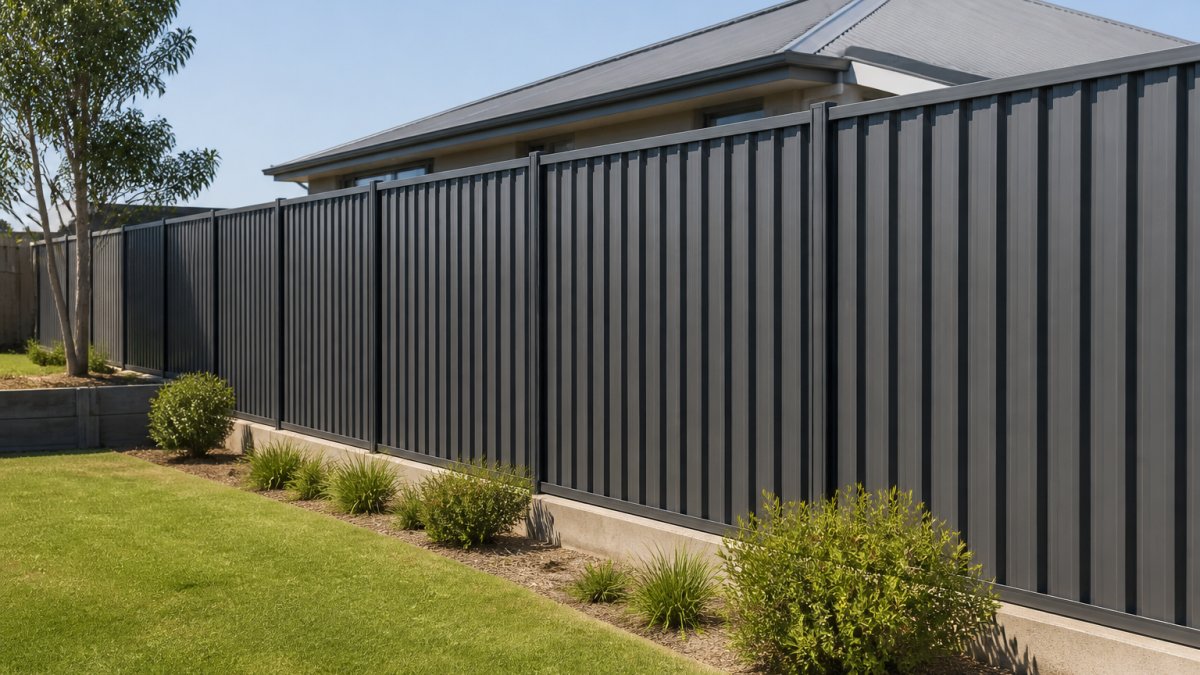
Colorbond steel is popular in residential settings because it combines strength with a finished appearance. Timber offers aesthetic appeal but requires regular maintenance and can swell or shrink with moisture, affecting gate alignment and automation performance.
Site Conditions and Civil Works
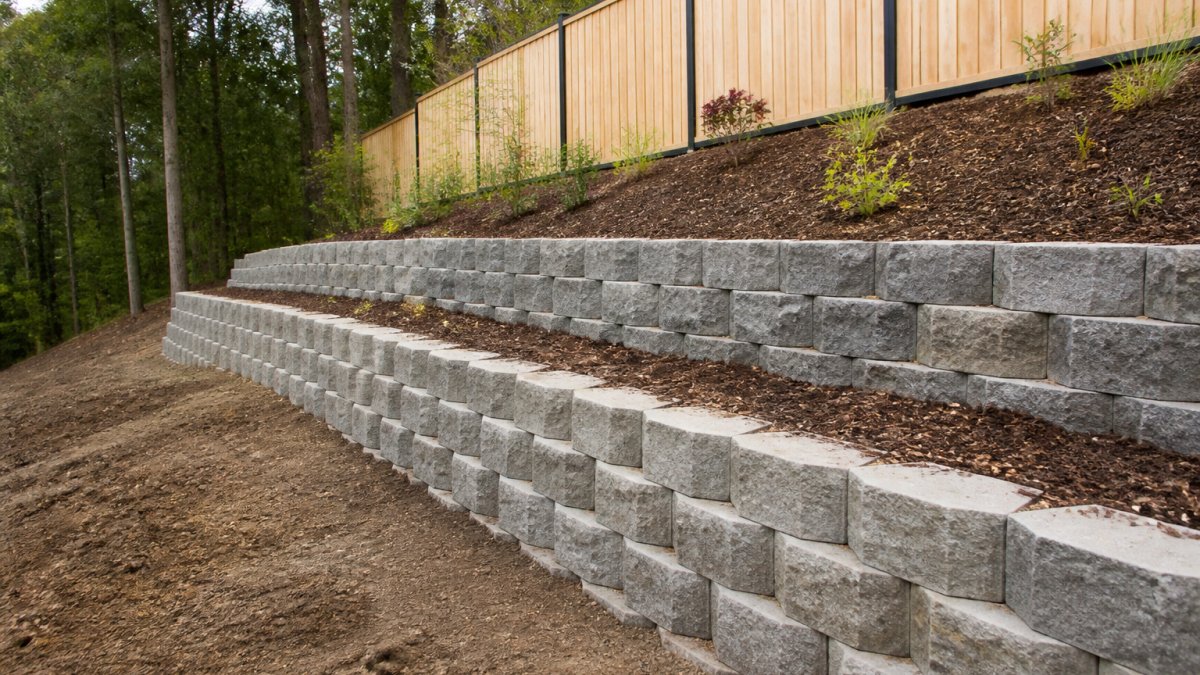
Uneven terrain, poor drainage, unstable soil, or existing utilities buried in your driveway can all inflate costs. If your driveway slopes, the installer may need to level the gate opening area. If the soil is soft or sandy, concrete footings become essential, you can't skip this step without risking motor failure or gate collapse.
Existing underground services, water, gas, electricity, fibre, must be located before digging. If they're in the way, rerouting adds significant cost. Many projects discover these issues during the site survey, which is why a detailed inspection before quoting is essential.
Electrical Installation and Power Supply
Running electrical power to your gate is sometimes straightforward, sometimes complex. If your home's electrical panel is close to the gate and you have spare circuit capacity, costs are modest. If power must run 20+ metres or your panel is already at capacity, a new circuit and conduit become necessary, raising labour and materials cost.
Some installers recommend a dedicated solar panel and battery backup system, especially for properties with frequent power outages or remote locations. Solar adds upfront cost but eliminates ongoing power draw and provides backup during outages.
Automated Gate Maintenance and Long-Term Costs
Automated gates require regular maintenance to operate reliably. Annual servicing, lubricating hinges or tracks, checking sensors, testing safety features, and updating software, keeps systems running smoothly. Maintenance costs are modest compared to replacement, but they're real and ongoing.
Track-based sliding gates need regular cleaning to prevent debris buildup, which can jam the gate. Swing gates need hinge lubrication and occasional adjustment. Motors can fail after 10-15 years of use, and replacement motors cost less than a new gate but still represent a significant expense. Planning for these costs when budgeting for your initial installation helps avoid financial surprises later.
Sensor failure is common in outdoor environments. Dirt, spider webs, or misalignment can prevent sensors from detecting obstacles, creating safety hazards. Replacing sensors is inexpensive, but the labour to diagnose and fix the issue adds up. Many property owners benefit from a maintenance contract with their installer, which includes regular checks and priority service if problems arise.
Installation Labour, Timeline, and Project Duration
Installation labour is a major cost component. A straightforward swing gate installation on a level site with good access might take 2-3 days. A complex sliding gate installation with site preparation, electrical work, and custom features could take a week or more. Labour costs scale with project complexity and site conditions.
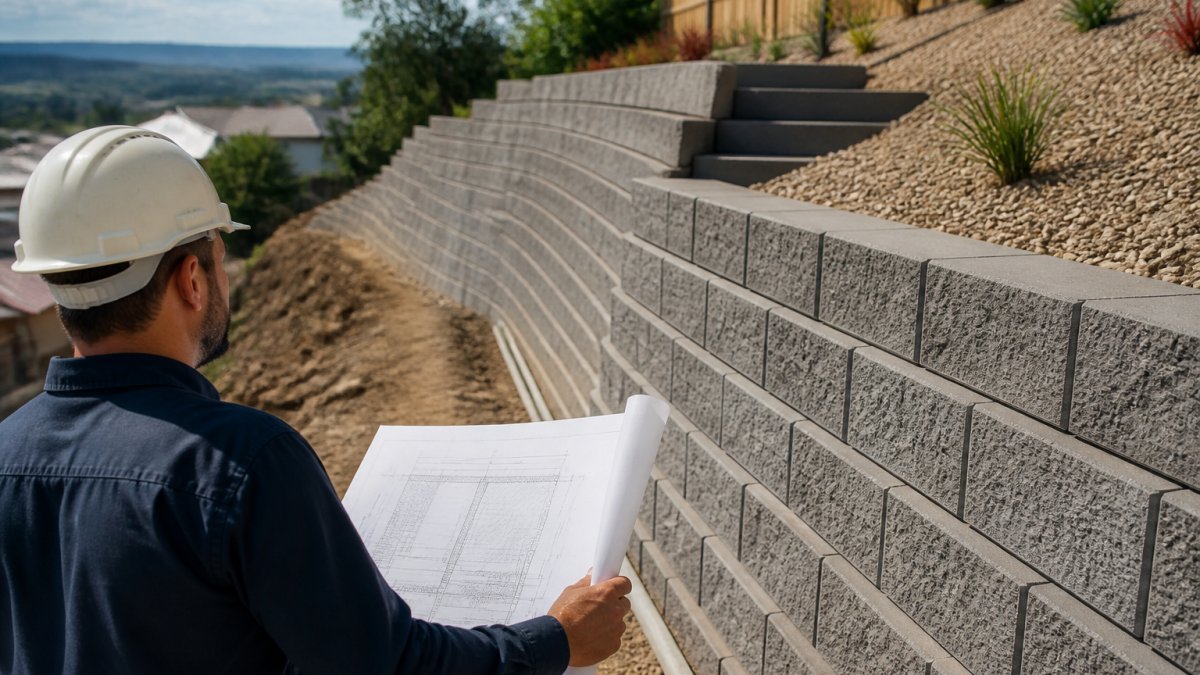
The timeline also depends on permits and inspections. Most jurisdictions require approval before installation begins, and an inspection after completion. These steps add a week or two to your project schedule. If your site needs civil works, grading, drainage, or retaining walls, the timeline extends further.
Weather affects scheduling too. Heavy rain can delay concrete curing, and extreme heat can affect electrical work safety. Most installers plan around seasonal weather patterns, but delays are possible. A reliable installer will give you a realistic timeline and communicate if delays occur.
Getting an Accurate Installation Quote
The best way to understand automated gate installation cost for your property is to request a detailed quote from a licensed installer. A proper quote includes a site visit, assessment of existing conditions, and an itemised breakdown of all costs.
When comparing quotes, look beyond the total price. Check what's included: Is the motor covered? Are sensors and safety features included? What about site preparation or electrical work? A cheap quote that excludes essential components isn't a bargain.
Ask about the installer's warranty and aftercare. A quality provider like AK FENCING VIC PTY LTD backs their work with a workmanship guarantee and offers ongoing support if issues arise.
| Cost Component | Impact on Total Price | Variability |
|---|---|---|
| Gate structure and materials | 30-40% | High (depends on size, material, design) |
| Motor and control system | 20-30% | Medium (quality and features vary) |
| Electrical installation | 15-20% | High (distance to power source matters) |
| Site preparation and civil works | 10-20% | Very high (depends on terrain and conditions) |
| Labour and installation | 20-25% | Medium (complexity and timeline vary) |
Getting an accurate automated gate installation cost starts with understanding what goes into the price. Your driveway's unique conditions, slope, soil, drainage, proximity to power, shape the final figure as much as the gate itself. At AK FENCING VIC PTY LTD, we provide transparent, itemised quotes that show exactly where your investment goes.
Frequently Asked Questions
How much does it cost to automate an existing gate?
Converting a manual gate to automated depends on the gate's current condition, type, and whether structural reinforcement is needed. Retrofitting typically involves installing a gate motor, control system, and electrical wiring. The cost varies based on gate width, material, and site conditions. Request a detailed quote from a licensed installer who can assess your specific gate and site to provide accurate pricing without hidden charges.
What is the typical cost of an automatic driveway gate in Australia?
Automated gate installation costs vary significantly based on gate type (sliding or swing), size, materials, motor quality, and site preparation requirements. Pricing depends on quantity, delivery timing, and local labour rates. Contact a licensed installer for a transparent quote that itemises all components, labour, electrical work, and any site preparation needed for your property.
Is a sliding or swing automated gate cheaper to install?
Sliding gates and swing gates have different cost drivers. Sliding gates require a concrete foundation track and typically need more robust motors for heavier loads. Swing gates need sturdy hinges and posts but may require less site preparation. The cheaper option depends on your property's layout, ground conditions, and gate width. A site assessment will reveal which system suits your needs and budget best.
What ongoing maintenance costs should I budget for?
Automated gate maintenance includes regular servicing of the motor and control systems, lubrication of moving parts, battery replacement for backup power systems, and occasional repairs. Solar-powered gates reduce electricity costs but require panel maintenance. Budget for annual inspections and prompt repairs to prevent costly damage. A licensed installer can advise on maintenance schedules and realistic long-term ownership costs for your specific system.
What factors affect automated gate installation costs the most?
Major cost drivers include gate size and width, material type (metal, timber, or composite), motor power and quality, site conditions (slope, soil stability, existing utilities), electrical installation requirements, and labour complexity. Uneven terrain or poor soil may require civil works such as retaining walls or ground stabilisation. A fully licensed installer will assess all these factors and provide an itemised breakdown before work begins.
Do automated gates meet safety and compliance requirements in Victoria?
Automated gates must comply with Australian safety standards and local building regulations. Pool safety fencing has specific requirements under Victorian legislation. A licensed and insured installer ensures your gate meets all legal obligations and passes inspection. Ask your installer to confirm compliance and provide documentation of workmanship guarantees, which protect you if issues arise after installation.