 blog
Metal Fencing vs Eastside Fencing: A Melbourne Comparison
Last Updated: October 23, 2026
Quick Summary
Metal fencing Melbourne offers superior durability and low maintenance compared to timber, with Colorbond steel being the most popular choice for homes due to its strength, modern appearance and corrosion resistance. The right metal fencing Melbourne material depends on your security needs, site conditions and budget, with options including Colorbond, galvanised steel and aluminium.
- Colorbond steel combines strength with a clean modern look and is Melbourne's most popular metal fencing choice for residential properties.
- Steel fencing is stronger than aluminium and suits high winds, steep slopes or genuine security barriers, but requires proper concrete footings and site assessment.
- Galvanised steel posts paired with Colorbond panels are common in Melbourne, requiring careful installation to prevent galvanic corrosion where dissimilar metals contact.
- Metal fencing meets Victoria's pool safety regulations when installed correctly, with gates self-closing and self-latching and no gaps larger than 100mm.
- Compare confirmed quotes on identical scope with itemised costs for materials, footings, removal, gates and contingency rates rather than headline per-metre pricing.
Table of Contents
- Understanding Metal Fence Types and Materials
- Fencing Cost Per Metre: What Affects Your Quote
- Fencing Contractors Melbourne: What Sets Them Apart
- Timber Fencing Installation Melbourne: Durability and Maintenance
- Metal Fencing for Pool Safety and Residential Security
- Getting a Transparent Quote: Avoiding Hidden Costs
- Frequently Asked Questions
Understanding Metal Fence Types and Materials
When comparing metal fencing Melbourne options for your property, the material determines durability, maintenance, appearance and cost.
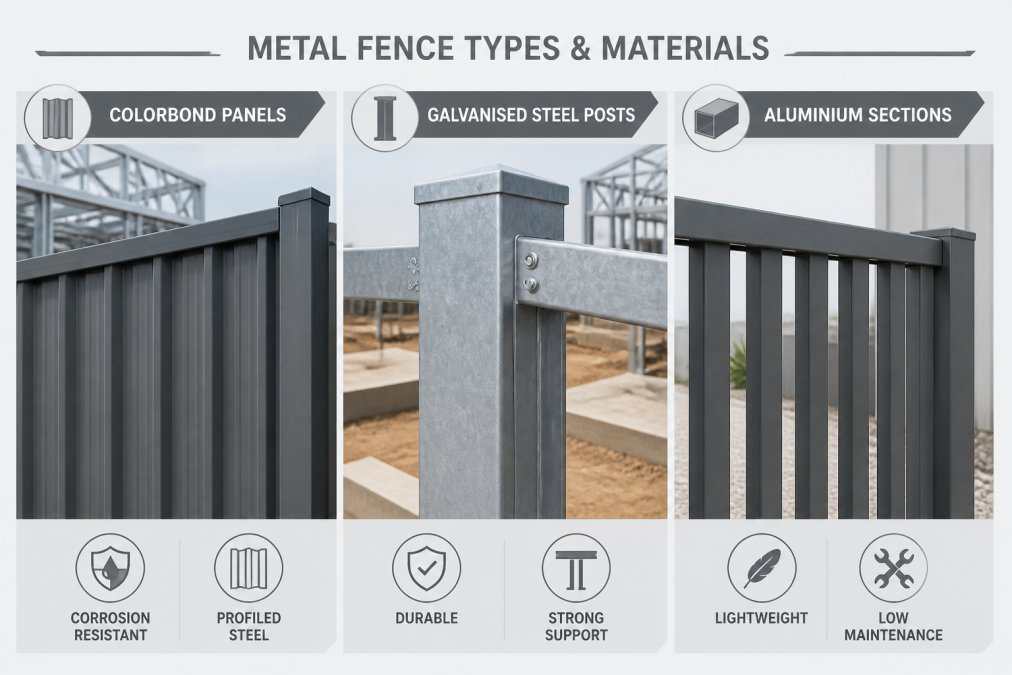
At AK FENCING VIC PTY LTD, we help property owners select metal fencing Melbourne materials matching their security needs and budget. The most common options are Colorbond steel, galvanised steel and aluminium.
Colorbond and Steel Options
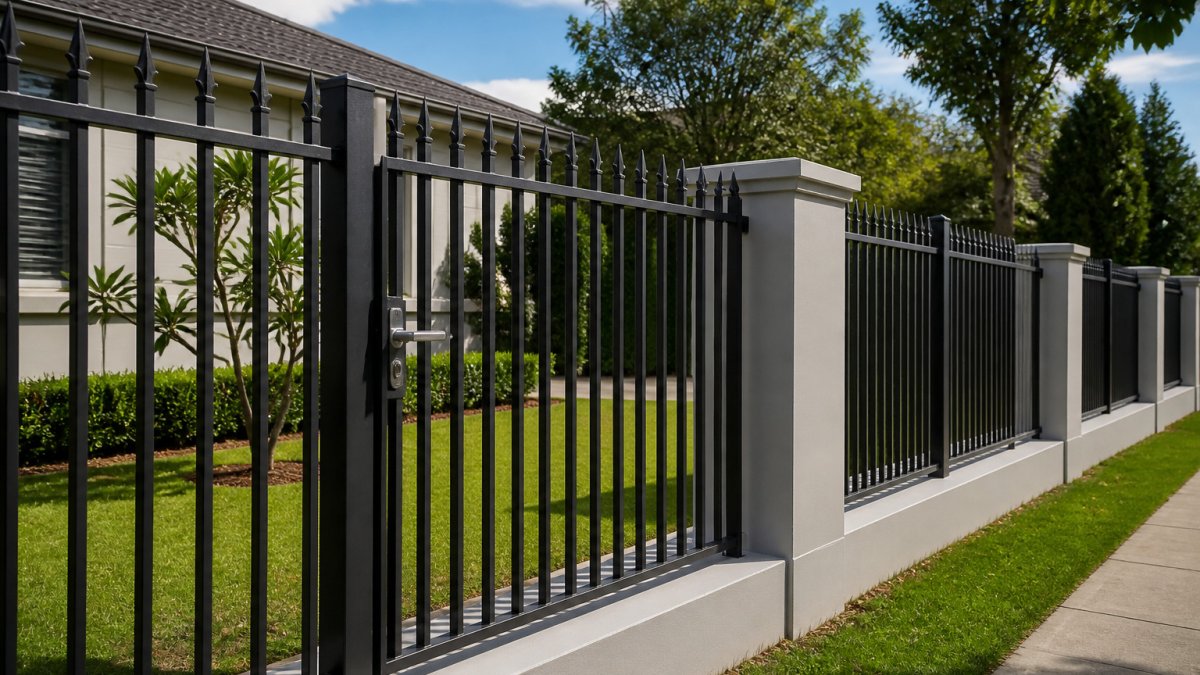
Colorbond fencing is engineered steel with a factory-applied polyester coating that resists corrosion and UV damage. For Melbourne-specific installation costs and pricing details, see our detailed cost guide.
Steel fencing, whether Colorbond or galvanised, is stronger than aluminium and the right choice for high winds, steep slopes or genuine security barriers.
The trade-off with steel is weight: installation needs proper concrete footings and engineering, especially on uneven ground.
Aluminium and Galvanised Steel
Aluminium fencing is lightweight, rust-free and low maintenance, ideal for gates, decorative screening or easy installation. It is weaker than steel, though, and can bend under pressure or extreme wind.
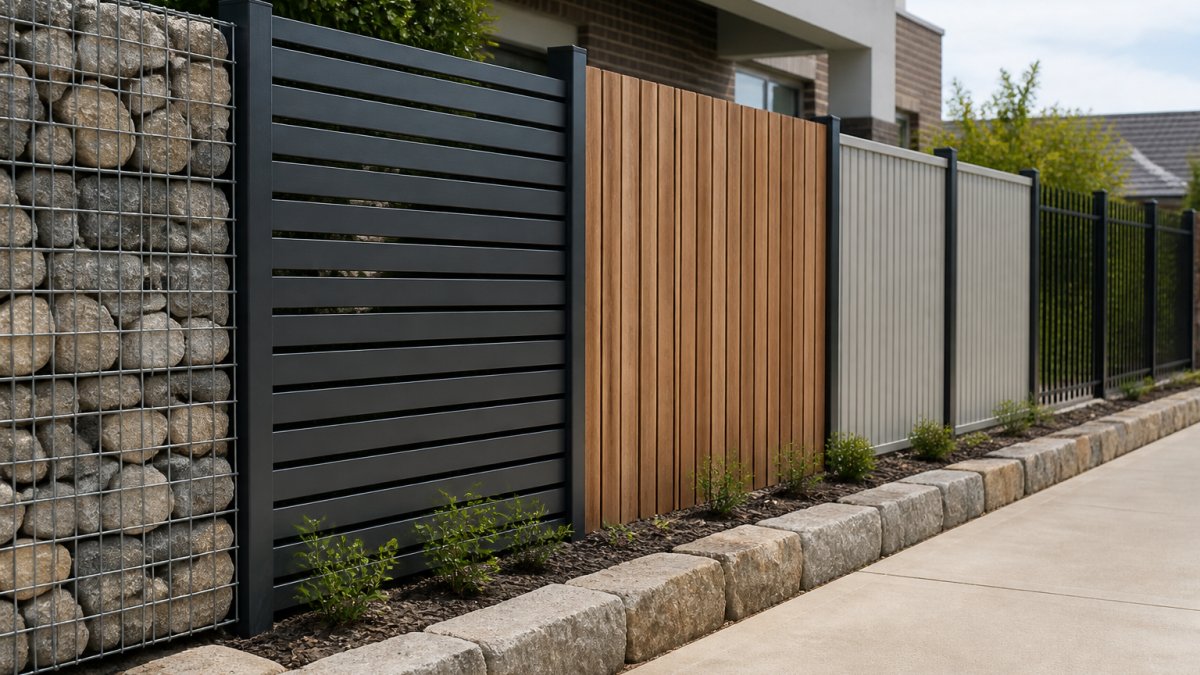
Galvanised steel posts paired with Colorbond panels are common in Melbourne: the galvanising protects the posts, while the coated panels give colour choice and a finished look.
Fencing Cost Per Metre: What Affects Your Quote
Most fencing pages say cost 'varies' and stop there, which is useless when comparing quotes. This section breaks a quote into its components and distinguishes an estimate from a confirmed quote.
Estimate versus confirmed quote
An estimate is an indicative figure based on limited information, often given by phone or from a photo. A confirmed quote follows a physical site inspection and states scope, materials, assumptions and contingency rates in writing. Estimates routinely change once ground conditions, access and removal are assessed.
The cost components, itemised
A transparent quote separates the following components rather than bundling them into a single per-metre figure:
- Fence length and height. Pricing is usually per lineal metre, but height and panel profile change material quantity and wind loading.
- Material. Coated steel, galvanised steel and aluminium carry different costs and fixing requirements. Posts, rails, panels, caps and fixings should be listed separately from labour.
- Footings and ground conditions. Reactive clay, rock, fill or sloping ground increases excavation, concrete volume and engineering. Ask how rock or unexpected subsurface conditions are priced, ideally as a stated rate rather than an open-ended variation.
Why per-metre pricing alone misleads
A single per-metre figure hides the variables that most affect final cost. Two blocks of identical fence length can differ substantially due to slope, access, removal and footings.
Australian Consumer Law protects consumers from misleading pricing and unfair contract terms. A quote that uses vague language, omits assumptions, or refuses to put scope in writing is a warning sign. Reputable providers give you a written quote that states what is included, what is excluded, and how variations are priced.
Questions to ask before accepting any quote
- Is this an estimate or a confirmed quote following a site inspection?
- What assumptions does the price rely on, and what happens if they prove wrong?
- Are removal, disposal and gate hardware included?
- How are rock, fill or unexpected ground conditions priced?
- What is the workmanship guarantee period, and what does it cover?
- Which compliance obligations apply to my property, and who confirms them?
Fencing Contractors Melbourne: What Sets Them Apart
Most fencing pages tell you to check licensing and insurance, then stop, necessary but not sufficient. The real differentiator is whether a contractor can demonstrate in writing how they handle your block's slope, soil, access, shared boundaries and compliance obligations. Here's a framework you can apply to any provider, including us.
A side-by-side comparison framework
Score providers on the same criteria so the decision is evidence-based rather than impression-based. The table below is a template you can fill in during or after each site visit.
| Comparison criterion | What to ask | What good evidence looks like |
|---|---|---|
| Licensing and registration | Which licence or registration applies to the structural work, and what is the number? | A verifiable number you can check with the relevant regulator, not a verbal claim |
| Insurance | What public liability cover is held, and what is the limit? | A certificate of currency dated within the last 12 months |
| Site inspection | Will the quote be based on a physical inspection or a phone estimate? | A documented inspection noting ground type, slope, access and existing structures |
| Quote transparency | Are removal, gates, footings and contingency rates itemised? | A written quote with line items and stated assumptions |
| Workmanship guarantee | What period is covered, and does it cover labour, materials or both? | Written terms stating the period and what is excluded |
| Compliance knowledge | How are boundary, setback and pool-barrier requirements handled? | A clear explanation of which requirements apply and who confirms compliance |
| Project evidence | Can the contractor describe comparable local projects? | Specific scope, material and site details rather than generic claims |
| Communication | Who is the point of contact, and what is the response process? | A named contact and a stated process for variations and defects |
Use the same questions for every provider. If one contractor cannot answer a row in writing, that is itself useful evidence.
Licensing, insurance and workmanship guarantees
In Victoria, structural building work is regulated, so ask for the registration or licence number and confirm it independently rather than trusting a website logo.
A workmanship guarantee is only as good as its terms: check whether it covers labour, materials or both, how long it runs and what voids it. A defects period often sits alongside separate manufacturer warranties, get both in writing.
Service range, customisation and the comparison trap
Contractors differ in whether they handle boundary fencing only or also gates, retaining structures, screening and pool barriers.
Customisation is where generic comparisons break down. Two providers may both offer Colorbond but differ in footing engineering on reactive clay, stepping panels down a slope, and removal and disposal. Ask each to describe a comparable project and the specific decisions made.
Boundary responsibilities and compliance checks
Before comparing quotes, confirm what you're allowed to build. Boundary fencing in Victoria is subject to shared-cost and notice arrangements between neighbours, and encroaching or over-height fencing can create disputes.
Building and Plumbing Practitioner Board maintains public registers you can use to verify registration. Victoria's pool safety requirements set out barrier obligations for pools and spas. Use both before you compare quotes, so every provider is assessed against the same compliance baseline.
Timber Fencing Installation Melbourne: Durability and Maintenance
Timber fencing remains popular in Melbourne for its natural appearance and warmth, but it needs more maintenance than metal, and durability depends on species, installation quality and climate.
Hardwoods like spotted gum and ironbark outlast softwoods in Melbourne's humid climate.
Installation depth and concrete footings are critical for timber: shallow footings cause rot where timber meets soil moisture. Proper installation means concrete footings at least 600mm deep, with timber treated or elevated to prevent ground contact.
Metal Fencing for Pool Safety and Residential Security
Metal fencing serves two purposes: it enhances property security and, when installed correctly, meets legal requirements for pool safety barriers. View completed metal fencing projects demonstrating pool safety and residential security applications. These are different standards, and both matter.
For residential security, metal fencing is a visible deterrent and physical barrier. A sturdy fence with secure gates makes unauthorised entry harder, and height, material and gate locking all contribute to effectiveness.
Meeting Victoria's Pool Fencing Regulations
Victoria's pool safety regulations require barriers around swimming pools and spas to prevent unsupervised child access. Victoria's Pool Safety Regulations specify minimum heights (1.2m for residential pools), materials, and gate specifications.
The regulations also require that gates are self-closing and self-latching, with no gaps larger than 100mm anywhere in the barrier. Installation must be inspected and certified to confirm compliance.
AK FENCING VIC PTY LTD installs pool safety fencing that meets Victoria's regulations. This removes the guesswork and ensures your installation is legally sound.
Getting a Transparent Quote: Avoiding Hidden Costs
The most common complaint about fencing contractors is hidden costs.
A transparent quote starts with a site inspection covering ground type, existing structures, equipment access and obstacles, plus council setback requirements and neighbour agreements.
Before signing, clarify what's included: old fencing removal, gates, and what happens if the contractor hits rock or underground utilities.
Australian Consumer Law protects you from misleading quotes and unfair contract terms.
Choosing between metal fencing options and selecting the right contractor comes down to understanding your property's specific needs, site conditions, and what each contractor brings to the job. Our fully licensed and insured team provides transparent quotes and workmanship guarantees so your fence performs reliably for years. Request a free quote to discuss your project and get a detailed assessment of your property's needs.
Frequently Asked Questions
What is the typical cost per metre for metal fencing in Melbourne?
Metal fencing cost per metre in Melbourne depends on material choice, site conditions, and installation complexity. Colorbond and steel options vary based on panel height, post spacing, and ground preparation. Obtain quotes from licensed contractors who assess your specific property, ground slope, soil type, and access, to provide accurate pricing. Transparent quotes should itemise materials, labour, and site work without hidden contingencies.
What are the main differences between Colorbond, steel, and aluminium fencing?
Colorbond is pre-painted steel offering colour variety and low maintenance. Galvanised steel provides strength and weather resistance, ideal for security. Aluminium is lightweight, corrosion-resistant, and suits modern designs but offers less impact strength. Choose based on your security needs, aesthetic preference, and budget. A licensed contractor can recommend the best material for your property's exposure and intended use.
How do I know if a fencing contractor is properly licensed and insured?
Request proof of current licensing and public liability insurance before hiring. Licensed contractors comply with Victoria's building standards. Ask about their experience with your specific project type, pool fencing, retaining walls, or automated gates. Check for transparent quoting practices and ask how they handle unexpected ground conditions to avoid surprise cost increases mid-project.
Does metal fencing meet Victoria's pool safety requirements?
Metal fencing can meet Victoria's pool safety standards if installed correctly to the required height and spacing. The fence must prevent unauthorised access and comply with the Building Code of Australia. Installation must include proper concrete footings, secure fixings, and appropriate gap widths. Ensure your contractor is familiar with pool fencing regulations.