 Listicle
Best Privacy Fencing for Suburban Homes: 2026 Guide
Table of Contents
- Privacy Fencing for Suburban Homes: What Matters Most
- Timber Privacy Fence Designs: Classic Appeal and Natural Warmth
- Colorbond Fencing for Privacy: Durability Meets Style
- Low-Maintenance Privacy Fence Options for Busy Homeowners
- Privacy With Airflow: Balancing Seclusion and Natural Light
- Fence Cost and Installation Quotes: What to Expect
- Planning Regulations and Boundary Responsibilities
- Conclusion: Choosing the Right Privacy Fence for Your Home
- Frequently Asked Questions
Last Updated: October 17, 2026
Privacy Fencing for Suburban Homes: What Matters Most
How Privacy Fencing Improves Your Property
Privacy fencing transforms suburban properties in three fundamental ways: it creates a secure boundary, enhances aesthetic appeal, and increases property value.
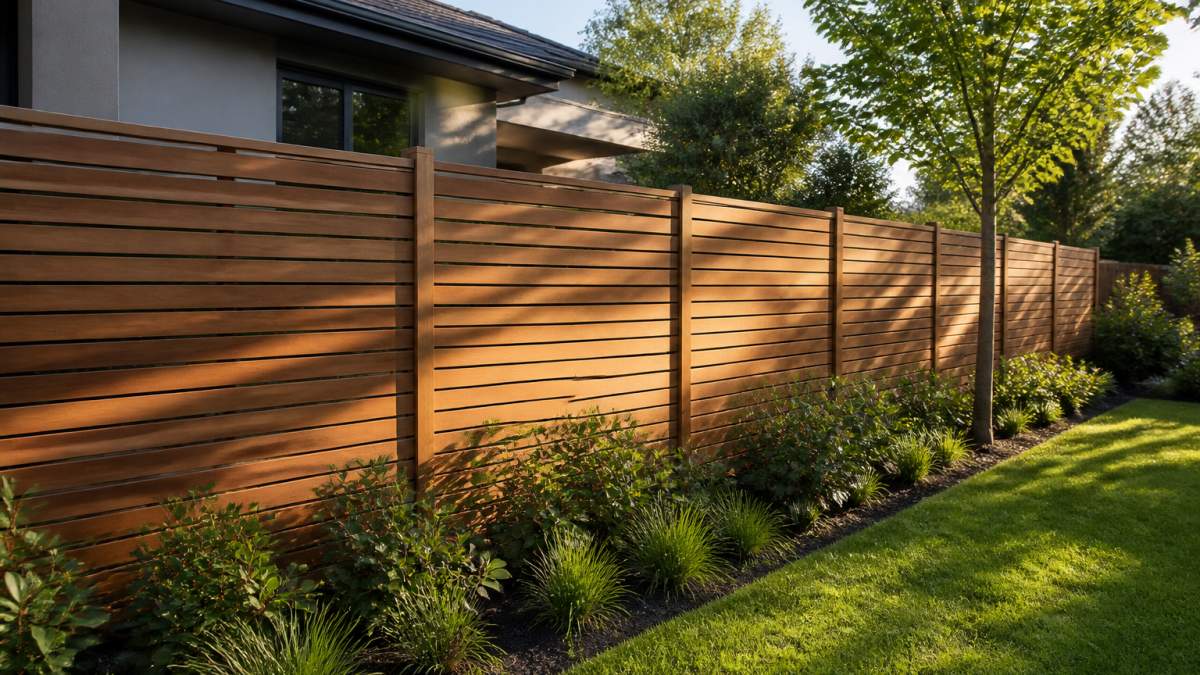
But not all privacy fencing delivers equally. The material you choose, how it's installed, and whether it suits your local climate determine whether your fence looks great for five years or fifteen.
The best privacy fencing for suburban homes balances three competing needs: visual privacy, durability in your climate, and realistic maintenance. Some materials excel at privacy but demand constant upkeep.
Quick Comparison Table
| Fence Type | Privacy Level | Maintenance | Durability | Best For |
|---|---|---|---|---|
| Timber (treated pine) | Excellent | High | 10-15 years | Classic look, budget-conscious |
| Colorbond | Excellent | Low | 20+ years | Modern homes, low maintenance |
| Horizontal timber slats | Excellent | High | 10-15 years | Contemporary aesthetic |
| Metal panels | Good | Low | 15-20 years | Modern minimalist design |
| Mixed materials | Excellent | Medium | 12-18 years | Visual interest, flexibility |
Timber Privacy Fence Designs: Classic Appeal and Natural Warmth
Timber remains the most popular choice for suburban privacy fencing. It delivers authentic visual appeal, works with traditional and modern homes, and offers genuine privacy when properly constructed.
Treated Pine and Cedar Options
Treated pine is the budget-friendly entry point. It's affordable, readily available, and when installed correctly, provides solid privacy and reasonable durability.
Cedar is the premium timber option. It naturally resists rot and weathering better than pine, requires less frequent maintenance, and ages beautifully with a silvery-grey patina. The tradeoff is cost: cedar typically runs 30-40% higher than treated pine.
Both materials offer genuine privacy when built to standard height (1.8 metres is typical for residential boundaries). The key consideration is climate exposure. In areas with heavy rainfall or intense sun, cedar's natural durability justifies the extra investment.
Horizontal Plank Layouts for Modern Homes
Horizontal slat designs have become the standard for contemporary suburban homes. They create clean sightlines, pair well with modern architecture, and feel less imposing than vertical paling fences.
Horizontal timber slats work particularly well when combined with modern landscaping, the linear aesthetic complements minimalist gardens and contemporary home designs.
Mixed-height horizontal layouts add sophistication. Alternating plank heights or staggering the top edge breaks up the visual monotony and creates a custom appearance that justifies the premium labour cost.
Colorbond Fencing for Privacy: Durability Meets Style
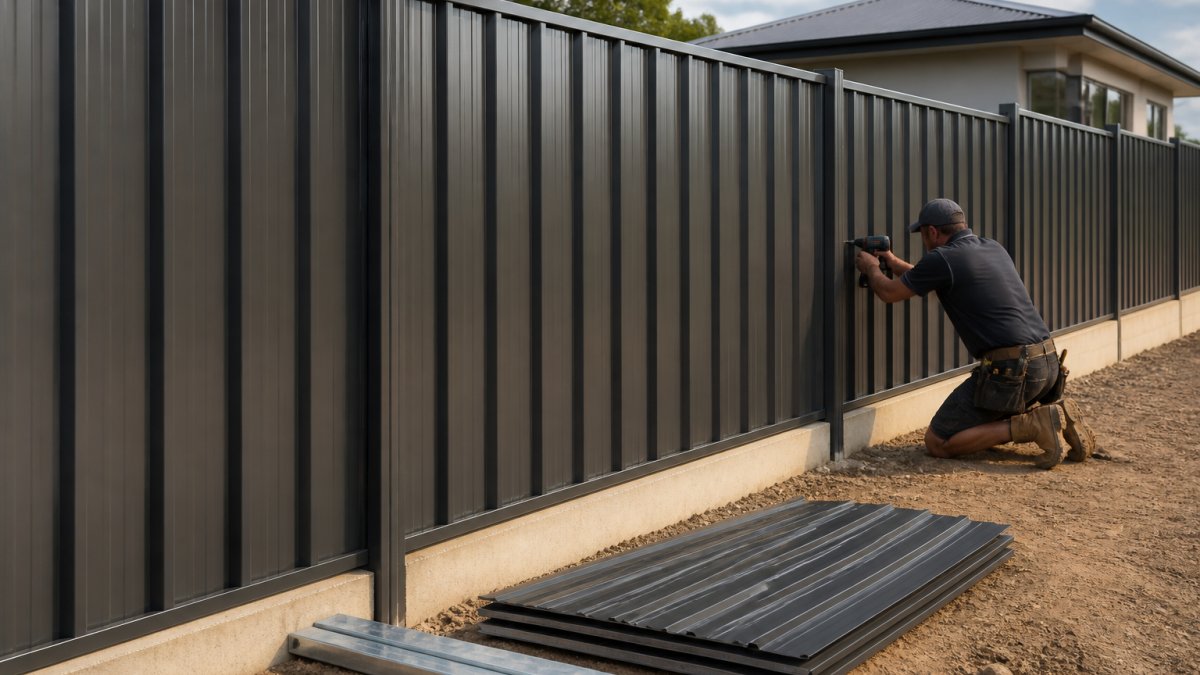
Colorbond has fundamentally changed suburban fencing. It delivers the privacy and clean lines of timber without the maintenance burden, and it typically outlasts timber by five to ten years.
Why Colorbond Outperforms Timber in Suburban Settings
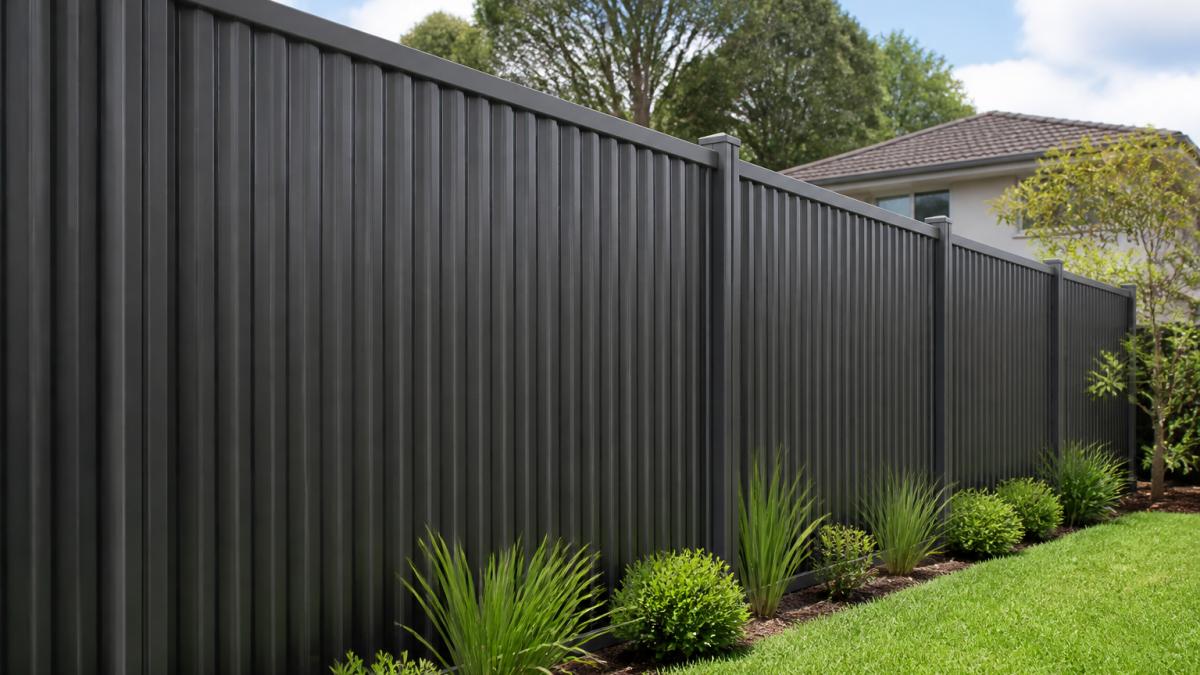
Colorbond is powder-coated steel: lightweight, weather-resistant, and engineered to withstand temperature swings and moisture exposure. Unlike timber, it won't rot, warp, or require regular sealing. A simple occasional wash maintains its appearance indefinitely.
The privacy performance is excellent. Colorbond panels are solid, blocking sightlines completely. Installation is faster than timber, fewer moving parts, no on-site cutting, and panels slot into place predictably.
Cost-wise, Colorbond sits between budget treated pine and premium cedar. It costs more upfront but delivers lower whole-of-life costs because maintenance is minimal. Many suburban homeowners find the reduced upkeep justifies the premium price, particularly if they value their time.
Colour and Design Flexibility
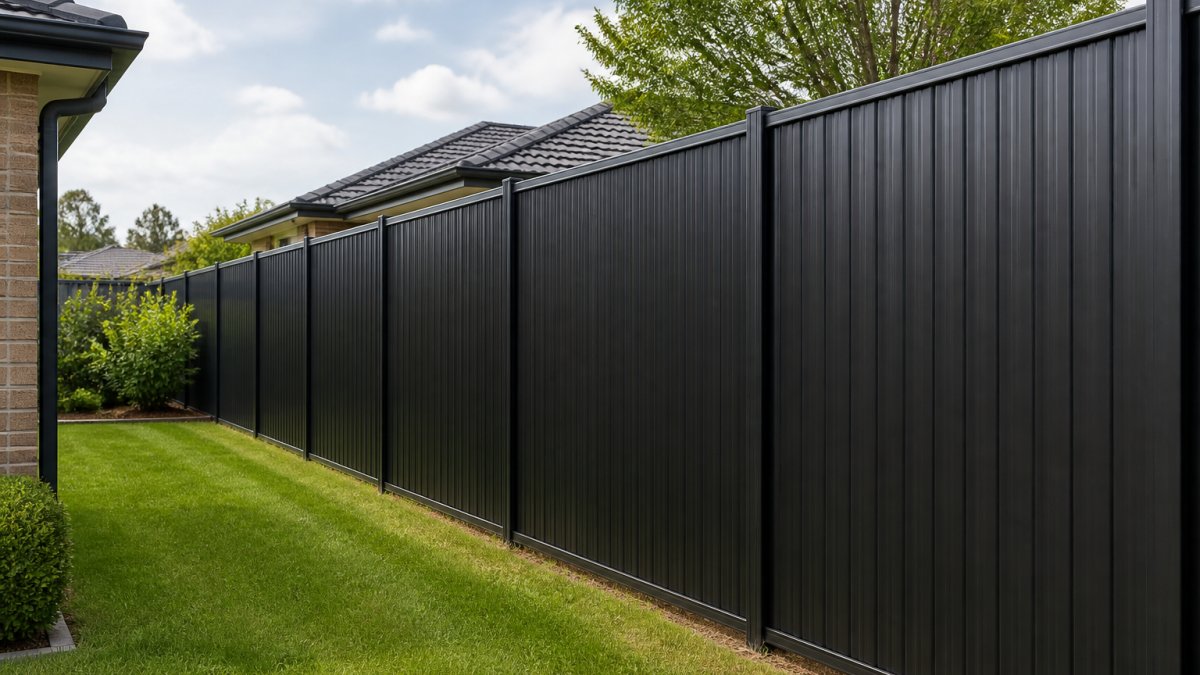
Colorbond offers 20+ colour options. Popular suburban choices include Monument (charcoal), Surfmist (light grey), and Dune (warm beige). Darker colours create stronger visual definition; lighter shades feel less heavy and suit smaller yards.
The design flexibility extends beyond colour. Colorbond accepts horizontal slat layouts, louvre designs, and mixed-material combinations. You're not locked into a single aesthetic, the material adapts to your vision.
Low-Maintenance Privacy Fence Options for Busy Homeowners
If maintenance feels like a burden, certain materials eliminate the problem entirely.
Metal and Composite Materials That Last
Metal fencing (Colorbond, aluminium, or powder-coated steel) requires virtually no maintenance beyond occasional cleaning. Composite materials, wood-plastic blends, resist rot and weathering while mimicking timber's appearance. Both categories suit busy homeowners or those prioritising long-term durability.
Aluminium is lighter than Colorbond but offers similar weather resistance. It's popular for contemporary designs and works well in coastal areas where salt spray is a concern.
Composite fencing blends wood fibres with plastic, creating a material that resists rot while looking like timber. It's more expensive than both timber and metal but offers a middle ground: authentic appearance with minimal maintenance.
Maintenance Requirements Compared
Timber fences demand attention. Plan on sealing or staining every two to three years, skipping this accelerates deterioration.
Colorbond and metal fences need only occasional cleaning (annual or biennial depending on dust exposure). Budget perhaps two hours annually for a basic wash.
Composite fences fall between: occasional cleaning and perhaps a protective coat every five to seven years. Maintenance is minimal compared to timber but not quite zero.
The maintenance gap compounds over time. A timber fence might need replacement in ten years. The same Colorbond fence, properly installed, could still perform excellently in twenty years.
Privacy With Airflow: Balancing Seclusion and Natural Light
Total visual privacy often comes at a cost: blocked airflow and reduced natural light. Sophisticated designs balance these competing needs.
Slat Spacing and Louvre Designs
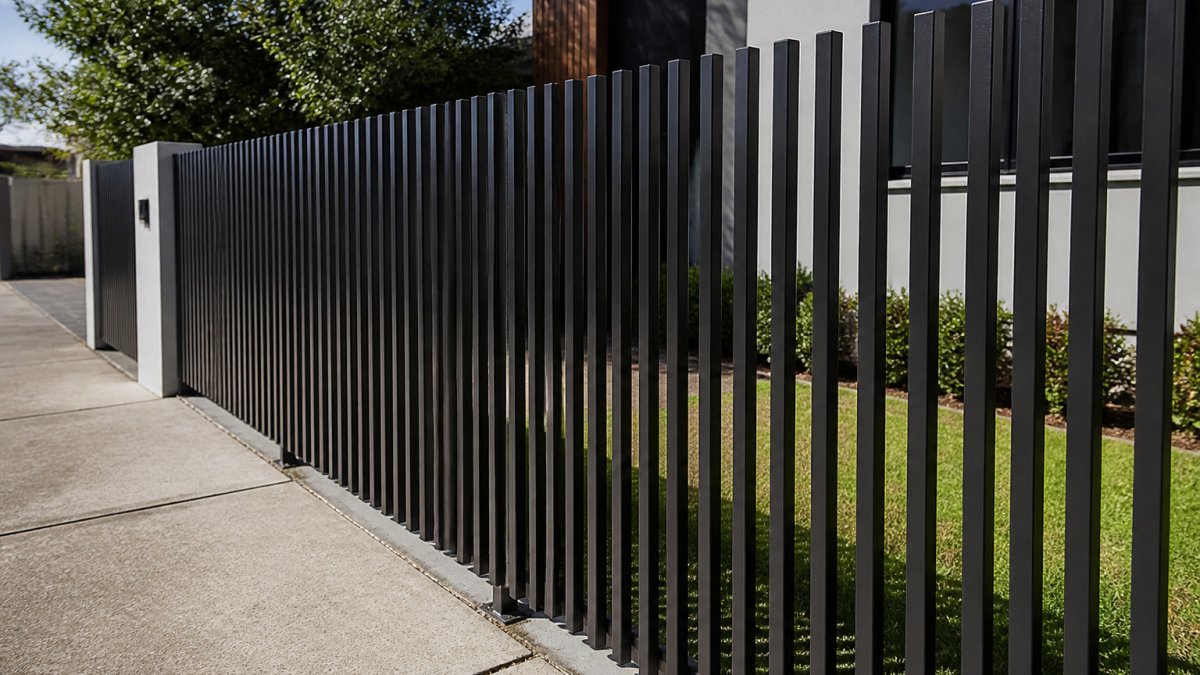
Vertical slat fences with deliberate spacing allow air circulation while maintaining privacy. The trick is understanding viewing angles. Slats spaced 10-15mm apart provide privacy from direct sightlines (standing at ground level) but allow breeze and diffused light.
Louvre designs take this further. Angled slats direct views downward while allowing light and air to pass through. From ground level, you see privacy; from above, light filters through. This design works beautifully for balconies, elevated decks, or yards overlooking neighbours' properties.
Horizontal louvre fences have become increasingly popular in contemporary suburban design. They're visually distinctive, provide genuine privacy, and feel less oppressive than solid barriers.
Mixed-Material Fencing for Visual Interest
Combining materials elevates privacy fencing from functional to distinctive. Timber frames with Colorbond infill panels create visual texture while reducing maintenance. Stone or brick bases with timber or metal panels above add permanence and architectural weight.
Mixed-material designs also solve practical problems. A solid Colorbond lower section blocks sightlines and provides security; an open louvre upper section allows light and air. The combination is more expensive than single-material fences but delivers superior performance and kerb appeal.
Fence Cost and Installation Quotes: What to Expect
Cost varies dramatically based on materials, site conditions, and labour. Understanding what drives pricing prevents nasty surprises.
How Ground Conditions and Site Access Affect Price
Uneven terrain, poor soil, or difficult access significantly increases installation costs. A sloping backyard requires stepped panels or retaining walls, both add labour and materials. Rocky soil or clay demands different footing techniques than sandy ground.
Access matters too. If excavation equipment can't reach the site, labour becomes manual and time-intensive. A fence requiring hand-digging of post holes costs substantially more than one where machinery can operate freely.
Professional installers provide quotes only after assessing these site-specific factors. Beware of quotes provided over the phone without inspection, they're often inaccurate.
What to Ask Before You Commit
Request itemised quotes breaking down materials, labour, and site-specific costs separately. Ask whether the quote includes removal of old fencing, site cleanup, and any necessary permits.
Clarify what the warranty covers. Does it extend to materials, workmanship, or both? How long does it last?
Ask about the installer's licensing and insurance. In Victoria, fencing contractors should be licensed. Verify they carry public liability and workers' compensation insurance. This protects you if something goes wrong.
Request references from recent projects in your area. Ask specifically about whether the installer finished on schedule and whether any unexpected costs emerged.
Planning Regulations and Boundary Responsibilities
Before you install privacy fencing, understand the local rules that govern it.
Height and Setback Requirements
Most councils allow boundary fences up to 1.8 metres without requiring permits. Front fences (facing the street) often have lower limits, typically 1.2 metres, to maintain sightlines and neighbourhood character. Check your local council's planning scheme to confirm limits specific to your property.
Setback requirements dictate how far your fence must sit from the boundary line. Some properties require fences to sit 100-200mm inside your boundary. This matters if your land is tight or if neighbours have existing fences close to the line.
Boundary Responsibilities and Neighbour Notification
In Victoria, boundary fence responsibility is shared unless a formal agreement exists otherwise. Generally, if a fence sits on the boundary line, both properties share the cost and maintenance responsibility. If it sits entirely on your land, you bear full responsibility.
Before building, notify your neighbour in writing. Most councils recommend this as best practice, and it prevents disputes later. If your neighbour wants to contribute to the cost, ensure you document this agreement formally.
Some councils require a Boundary Fence Notice before installation. Check with your local authority to confirm requirements for your property.
Conclusion: Choosing the Right Privacy Fence for Your Home
The best privacy fencing for suburban homes balances durability, maintenance, cost, and aesthetic fit. Timber offers classic appeal but demands regular care. Colorbond delivers low-maintenance durability and modern aesthetics. Mixed materials provide flexibility and visual interest.
Site conditions, local regulations, and your long-term maintenance commitment should drive your choice. A fence installed properly today will serve your property for decades, choosing based on upfront cost alone often leads to regret.
AK FENCING VIC PTY LTD specialises in helping suburban homeowners navigate these decisions. Whether you're installing timber, Colorbond, or mixed-material fencing, we deliver precision workmanship backed by a genuine guarantee. Get a free quote and discover how we can enhance your property's privacy, security, and appeal.
Frequently Asked Questions
What is the cheapest type of privacy fence to build?
Treated pine is typically the most cost-effective privacy fencing option for suburban homes, offering full privacy at the lowest material cost. However, total expense depends on site conditions, height, and whether retaining walls are needed. Ground preparation, terrain difficulty, and soil stability can significantly increase costs regardless of material choice. Request a detailed quote that itemises materials, labour, site preparation, and any unexpected ground conditions to avoid surprises.
Is timber or Colorbond fencing better for privacy?
Both deliver full privacy, but they differ in maintenance and longevity. Timber privacy fence designs offer natural aesthetics and warmth but require regular staining, sealing, and pest treatment. Colorbond fencing for privacy requires minimal upkeep, resists rot and insect damage, and lasts 20+ years with virtually no maintenance. Choose timber for traditional character; choose Colorbond for durability and convenience in suburban settings.
What kind of privacy fence allows air through?
Horizontal or vertical slat designs with gaps between boards allow airflow while maintaining privacy. Louvre fencing angles slats to block sightlines while permitting ventilation. Mixed-material fencing combining solid panels with open sections balances privacy and light. Spacing between slats typically ranges from 5-10 mm, reducing wind resistance and preventing moisture pooling while preserving the privacy barrier.
How high should a privacy fence be?
Most suburban homes use 1.8 m privacy fencing, which is the standard height that provides full visual privacy from street level and neighbouring properties. Local planning rules may restrict height; check your council requirements before installation. Some properties allow up to 2.1 m with planning approval. Height also depends on terrain, sloped ground may require engineered retaining walls to maintain consistent privacy coverage.
What should I compare when getting fencing quotes?
Compare material cost, labour rates, site preparation fees, timeline, and what the quote explicitly covers. Ask whether the quote includes soil testing, retaining wall work, gate installation, and post-installation support. Confirm the contractor is licensed and insured, whether they provide a workmanship guarantee, and their policy on unforeseen ground conditions. Get at least two detailed quotes to verify pricing and scope are consistent.