 Comparison
Colorbond vs Timber Fencing: Pros, Cons & Costs
Table of Contents
- Colorbond vs Timber Fencing: Head-to-Head Comparison
- Upfront Material and Installation Costs
- Colorbond Fence Lifespan and Durability
- Timber Fence Maintenance: What to Expect
- Weather Resistance and Coastal Performance
- Privacy, Security and Appearance
- Fence Quote Comparison Checklist
- Boundary, Council and Neighbour Considerations
- Frequently Asked Questions
Last Updated: October 12, 2026
Colorbond vs Timber Fencing: Head-to-Head Comparison
Choosing between Colorbond and timber fencing is one of the biggest decisions a property owner makes. The choice affects your budget, maintenance schedule, how your fence looks in five years, and whether you'll be repainting or replacing sections. At AK FENCING VIC PTY LTD, we've helped hundreds of homeowners and commercial property owners navigate this decision, and the answer isn't always obvious.
The core tension is simple: timber fencing offers natural aesthetics and lower upfront costs, while Colorbond delivers durability and minimal maintenance. But the real story is more nuanced. Your site conditions, budget horizon, and priorities determine which material actually wins for your property.
This guide breaks down the practical differences between colorbond vs timber fencing pros and cons. We'll compare upfront costs, long-term ownership expenses, maintenance demands, durability under local weather conditions, and the less obvious factors like repairability and council requirements. By the end, you'll know exactly which material suits your situation.
Quick Comparison Table
| Factor | Colorbond | Timber |
|---|---|---|
| Upfront material cost | Higher | Lower (basic options) |
| Installation complexity | Moderate | Moderate to high |
| Annual maintenance | Minimal | Significant |
| Typical lifespan | 20-30+ years | 10-20 years |
| Rust/rot risk | Yes, if coating breached | Yes, especially in wet zones |
| Repainting/staining | None required | Every 3-5 years |
| Weather resistance | Excellent | Moderate to good |
| Natural appearance | Industrial look | Classic, warm aesthetic |
| Repairability | Dent repair costly | Panel replacement easier |
| Best for | Low-maintenance priority | Natural look priority |
Upfront Material and Installation Costs
When you're comparing colorbond vs timber fencing costs upfront, timber typically looks cheaper. Basic timber paling fences have a lower material price per metre than Colorbond steel panels. However, the installation complexity and ground conditions can shift this advantage quickly.
Timber fencing installation depends heavily on soil type and site conditions. Soft or sandy soil requires deeper post holes and more concrete to stabilise the structure. Sloping terrain increases labour time and material waste.
The real cost difference emerges when you factor in site-specific challenges. A steep backyard, poor drainage, or uneven ground can push timber installation costs up significantly. Colorbond handles these conditions more consistently.
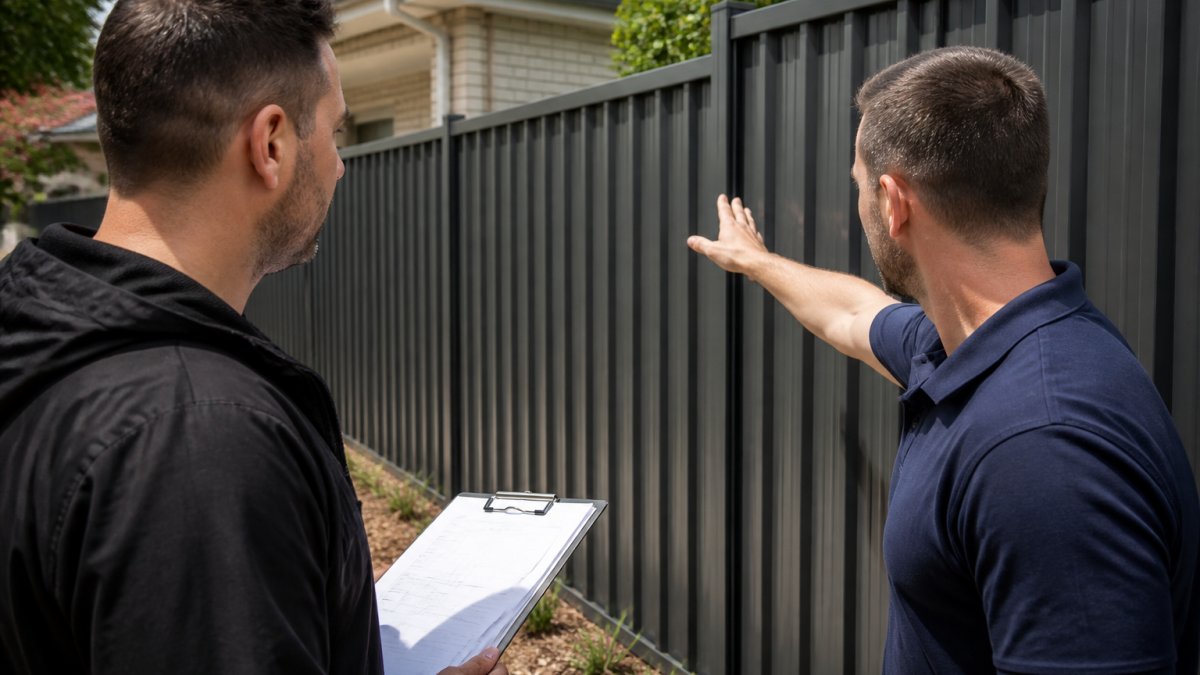
For an accurate comparison, get detailed quotes from licensed installers who've inspected your site. Many property owners discover during excavation that soil conditions require extra reinforcement, this is where transparent, obligation-free quotes matter.
Colorbond Fence Lifespan and Durability
Colorbond steel fencing typically lasts 20 to 30 years or longer when properly maintained. The lifespan depends on the coating quality and how well the material resists your local climate.
Steel's strength means Colorbond panels resist impact and deformation better than timber. A stray branch or accidental contact won't splinter or crack the material. The panels remain straight and true, which matters for both appearance and security applications.
The durability story changes if the protective coating is compromised. Scratches, dents, or coating damage create pathways for rust to develop. Once rust starts, it can spread under the coating if not addressed.
Colorbond's strength is also its limitation for repairability. If a panel is dented or the coating is severely damaged, repair costs can be substantial. Timber allows for easier panel replacement, a single damaged board can be removed and replaced without affecting the entire fence structure.
Timber Fence Maintenance: What to Expect
Timber fencing demands consistent care to reach its potential lifespan of 10 to 20 years. Without maintenance, that timeline shrinks dramatically. The maintenance schedule is predictable: painting or staining every three to five years, plus regular inspections for damage.
Painting or staining isn't optional for timber fence longevity. The coating protects the wood from moisture penetration, UV damage, and insect attack. In high-rainfall areas or coastal zones, the coating degrades faster, pushing the repainting cycle toward three years.
Beyond repainting, timber requires vigilance against specific threats. Moisture trapped in the soil or poor drainage around fence posts accelerates rot at the base. Regular clearing of vegetation and debris around the fence line prevents moisture buildup.
The labour cost of repainting or staining a timber fence is substantial. A standard residential fence can require 2-3 days of professional work, plus material costs.
Rot, Termites and Decay
Timber's greatest vulnerability is rot, which develops when wood stays wet or poorly drained. Posts set in clay soil or areas with poor drainage are especially at risk. Termites are another threat, particularly in warm regions or properties with a history of timber pest damage. Once termites establish in fence posts, they can spread to structures on your property.
Decay also occurs from simple weathering. Exposed end grain, cracks, and splits allow moisture to penetrate deeper into the wood. Hardwood fencing resists decay better than softwood, but no timber is immune without protective coating. The cost of replacing a single rotted fence section can equal the cost of repainting the entire fence, so prevention through maintenance is far more economical.
Painting and Staining Requirements
Timber fencing requires repainting or staining on a regular cycle. The exact interval depends on your climate, the timber species, and the quality of the previous coating. In areas with high UV exposure or frequent rain, the coating breaks down faster.
Professional repainting involves surface preparation (cleaning, sanding, or pressure washing), priming if necessary, and applying finish coats. This is labour-intensive work that cannot be rushed without compromising durability. DIY repainting is possible but time-consuming and physically demanding, especially for tall fences.
The cost of regular repainting over the fence's lifetime often exceeds the initial material cost difference between timber and Colorbond. If you're budget-conscious long-term, this maintenance cycle is a critical factor in your decision.
Weather Resistance and Coastal Performance
Colorbond excels in harsh weather conditions, particularly coastal environments. The steel substrate and protective coating resist salt spray, high winds, and intense UV exposure. In coastal zones, Colorbond maintains its appearance and structural integrity far longer than timber.
Timber fencing in coastal areas faces accelerated deterioration. Salt spray corrodes fasteners and penetrates the timber itself, causing decay.
Bushfire zones present another consideration. Colorbond is non-combustible, which matters for properties in high-risk areas. Timber fencing is combustible and requires extra precautions or may not meet local bushfire safety standards.
Heavy rainfall and poor drainage favour Colorbond. The material doesn't absorb moisture, so drainage issues don't compromise the fence structure. Timber in wet conditions requires excellent drainage and regular inspection to prevent rot.
Rust and Corrosion in Colorbond
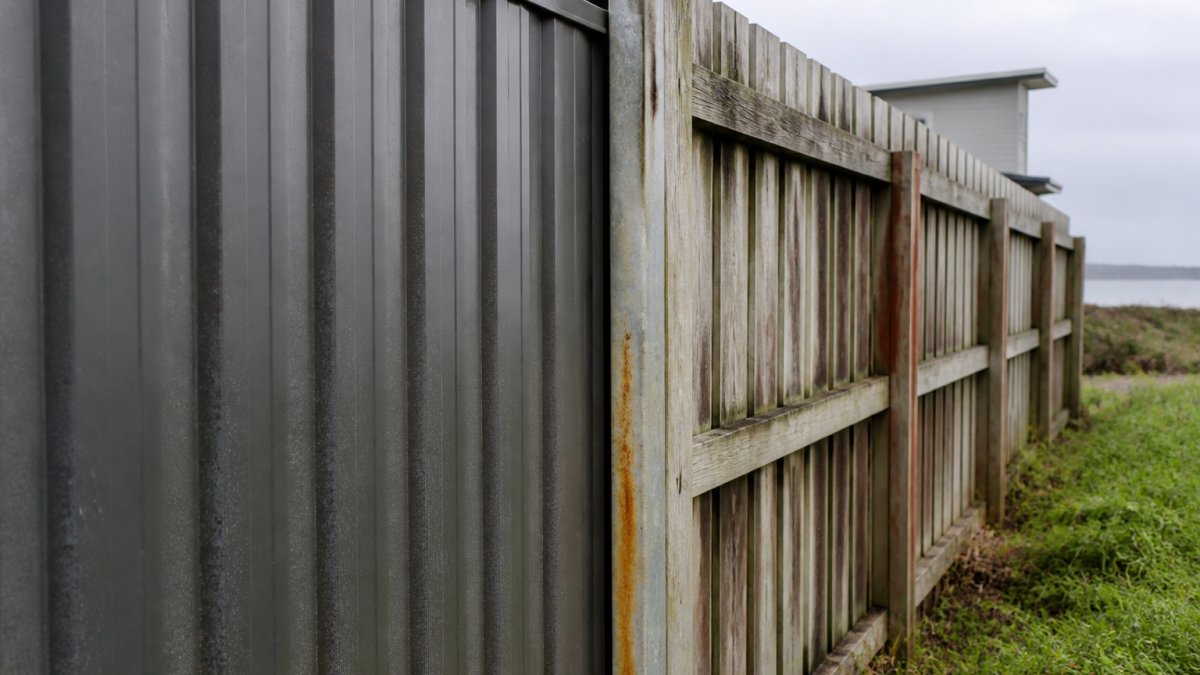
Rust is Colorbond's primary durability risk. The protective coating prevents rust, but any breach, scratches, dents, or coating failure, exposes the steel underneath. Once rust starts, it can spread under the coating if not treated.
Coastal environments accelerate rust risk. Salt spray and high humidity create conditions where even minor coating damage can lead to visible rust within months. Regular inspection and prompt touch-ups of damaged areas are essential in coastal zones.
Proper installation and maintenance prevent most rust issues. Professional installers ensure fasteners are stainless steel or galvanised, which resists corrosion. Quality Colorbond products include superior coatings designed to resist rust longer. However, the material's location and exposure matter, a fence facing salt spray requires more vigilance than one in an inland suburb.
Privacy, Security and Appearance
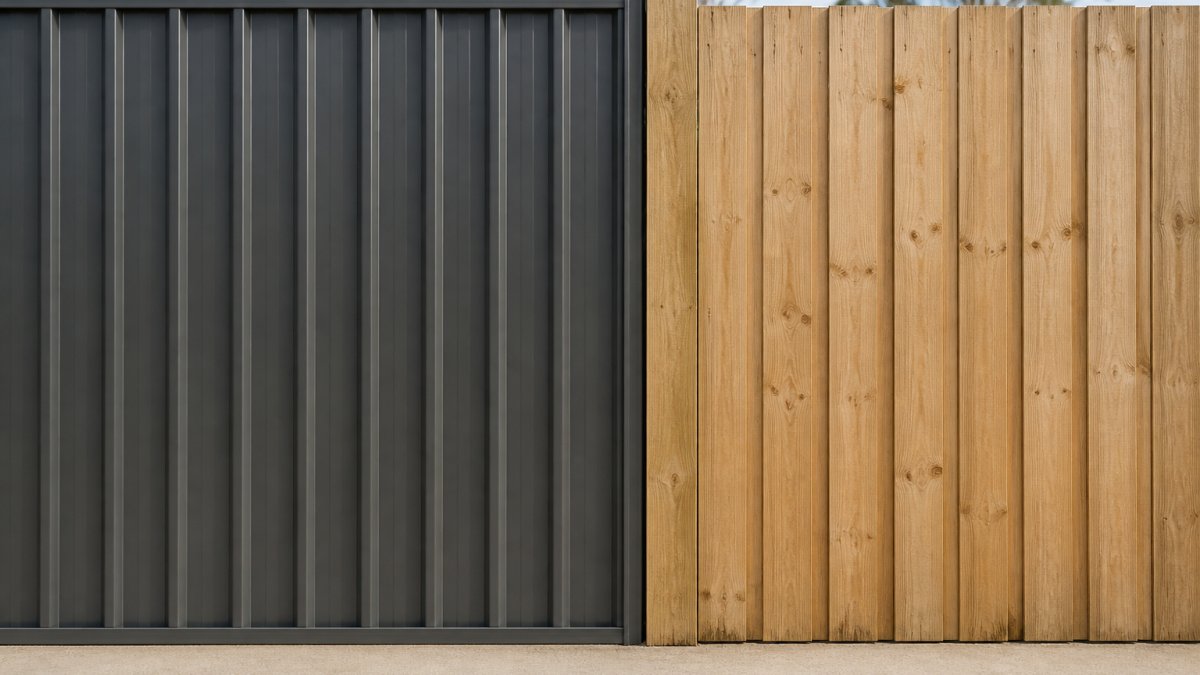
Timber fencing offers warmth and natural aesthetic appeal that many property owners prefer. The grain, colour variation, and classic look integrate well with established gardens and heritage properties. Timber conveys a residential, approachable character.
Colorbond delivers a clean, modern appearance with consistent colour and texture. It suits contemporary architecture and commercial properties. The material is available in multiple colours, allowing customisation to match your property's style. However, some owners find the industrial appearance less inviting than timber.
Privacy performance is similar between materials at the same height and density. A timber paling fence and a Colorbond panel fence of equal height both block sightlines effectively.
Security is where Colorbond gains an advantage. The rigidity and strength of steel make it harder to damage or breach than timber. For commercial properties or high-security applications, Colorbond's durability and impact resistance provide better protection.
Fence Quote Comparison Checklist
Getting accurate quotes requires asking the right questions. Use this checklist to compare quotes fairly and avoid hidden costs.
- Does the quote itemise material, labour, and site-specific costs separately?
- Are site conditions (soil type, drainage, slope, obstacles) assessed on-site, not estimated remotely?
- Does the quote include post holes, concrete, and all fasteners?
- Are posts and rails specified by grade or material thickness?
- Is installation timeline clearly stated with contingency for weather?
- What happens if ground conditions require additional reinforcement?
- Is the quote valid for how long (30 days, 60 days)?
- Does the installer carry public liability and workers' compensation insurance?
- Is a workmanship guarantee included, and for how long?
- Are there additional costs for council permits or boundary surveys?
- What's included in aftercare or warranty support?
Many property owners report that quotes vary dramatically because installers assess site conditions differently. An obligation-free on-site assessment reveals challenges like poor drainage, uneven terrain, or underground utilities that affect cost. Quotes based on photos or rough measurements often miss these details, leading to unexpected charges during installation.
Boundary, Council and Neighbour Considerations
Fence regulations vary by local council and property boundaries.
Some councils restrict fence materials in heritage areas or have specific aesthetic guidelines. Timber fencing may be preferred in conservation zones, while Colorbond might be required in commercial areas.
Boundary fences are typically the responsibility of both adjoining property owners, but the legal obligation varies. Check your property title and local regulations to understand your obligations.
Pool safety fencing has specific regulations in Victoria. Fences around swimming pools must meet Australian Standard AS 1926.1, which covers height, gaps, and gate specifications.
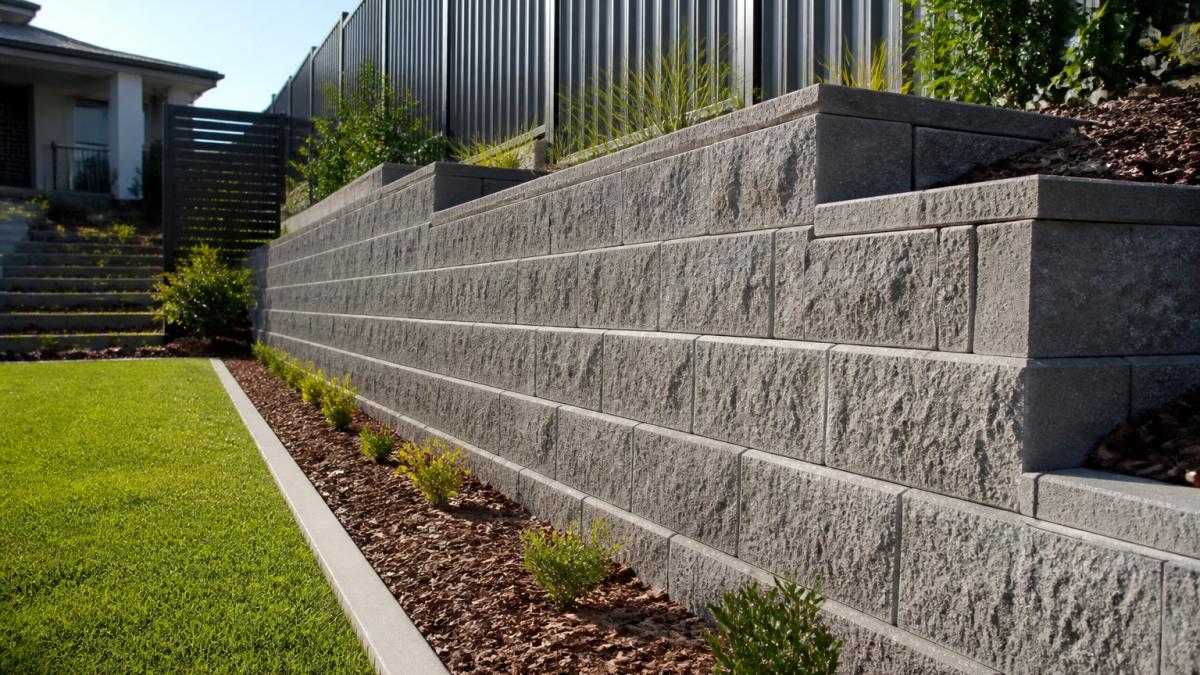
For commercial properties or developments, council approval may require engineering certification for fencing, especially if the fence is part of a retaining wall or supports structural loads.
Choosing between colorbond vs timber fencing ultimately depends on your priorities, budget timeline, and local conditions.
Frequently Asked Questions
What type of fence requires the least maintenance?
Colorbond fencing requires significantly less upkeep than timber. Steel fencing does not need painting, staining or treatment for rot and insects. Timber fencing demands regular maintenance: painting or staining every 3-5 years, inspections for rot and termite damage, and repairs to damaged palings. If you prefer minimal ongoing work, Colorbond is the lower-maintenance choice.
Is timber or Colorbond fencing cheaper overall?
Timber typically costs less upfront, but Colorbond often proves more cost-effective over the fence's lifetime. Timber requires ongoing painting, staining and repairs, which accumulate expense. Colorbond has higher initial material costs but minimal maintenance. For a whole-of-life cost comparison, request quotes from a licensed installer and ask about both material and maintenance assumptions so you can compare total ownership cost, not just installation price.
How long does a Colorbond fence last?
Colorbond fencing typically lasts 20-30 years or longer with proper installation and minimal maintenance. Its lifespan depends on coating integrity, coastal exposure, and whether damage is repaired promptly. Timber fences usually last 10-15 years before rot or insect damage becomes significant. Colorbond's extended lifespan makes it a durable choice for properties where longevity matters.
Which fencing material is better for a coastal property?
Colorbond performs better in coastal conditions. Salt spray and moisture can damage timber quickly, promoting rot and decay. Colorbond's steel construction and protective coating resist salt air, though coating breaches can lead to rust if not repaired. If you live near the coast, inspect Colorbond regularly for damage and repair coating breaches immediately. Timber requires more frequent treatment and inspection in coastal zones.
Can Colorbond fencing be installed on sloping ground?
Yes, Colorbond can be installed on sloping ground, though it requires careful engineering. Installers adjust panel heights and post depths to maintain vertical alignment and structural integrity on slopes. Timber fencing can also be installed on slopes but may require stepped installation or raked panels. For uneven terrain, consult a licensed fencing installer who can assess your site and design a solution that meets building standards and your aesthetic goals.