 Comparison
Colorbond Fencing Workmanship Guarantee Coverage Explained
Table of Contents
- What Colorbond Fencing Workmanship Guarantee Coverage Actually Means
- Workmanship Guarantee vs Material Warranty: The Critical Difference
- Colorbond Fence Installation Warranty: What Gets Protected
- Colorbond Fence Warranty Exclusions You Must Know
- Fencing Warranty Claim Process: Step-by-Step
- Fence Installation Defects: What Contractors Must Fix
- Contractor Qualifications and Insurance: Your Protection Layer
- Written Contract Terms: What to Demand Before Work Starts
- Frequently Asked Questions
Last Updated: October 16, 2026
What Colorbond Fencing Workmanship Guarantee Coverage Actually Means
A workmanship guarantee coverage is a promise from your fencing contractor to fix or replace defects caused by poor installation or installation errors, not material failures.
At AK Fencing Vic Pty Ltd, we back every installation with a workmanship guarantee because we stand behind our craftsmanship.
Most homeowners don't realise they must ask about this explicitly.
The real value of strong colorbond fencing workmanship guarantee coverage is peace of mind: you know who's responsible if the fence fails, how long that lasts, and how to claim.
Workmanship Guarantee vs Material Warranty: The Critical Difference
A material warranty comes from BlueScope Steel (the Colorbond manufacturer). You can review the exact terms through BlueScope Steel's official warranty documentation.
A workmanship guarantee comes from your fencing contractor and protects you if the installation is done poorly, uneven post spacing, inadequate concrete footings, misaligned panels, faulty gate operation, or panels that shift after installation.
Here's where it breaks down in practice. A slightly warped panel could be a material issue (manufacturer) or a workmanship issue (contractor), depending on when the warp occurred.
The manufacturer's warranty on Colorbond steel typically covers 20+ years depending on coating grade. You need both, one protects the product, the other protects the job.
When you get a quote, ask for both warranties in writing.
Colorbond Fence Installation Warranty: What Gets Protected
Your installation warranty covers defects caused by how the fence was built, not what it's made from.
Installation quality and defects covered
A solid colorbond fence installation warranty protects against these specific defects:
- Post installation failures: Posts that lean, shift, or pull out of the ground within the guarantee period
- Panel alignment issues: Panels that are uneven, twisted, or don't sit flush against posts
- Gate operation problems: Gates that won't close properly, won't latch, or sag
- Fastener failure: Bolts, screws, or welds that fail prematurely due to poor installation technique
- Concrete footing defects: Inadequate or improperly mixed concrete that causes posts to become unstable
- Weathering seal failures: Gaps or poor sealing at joints that allow water ingress
- Attachment point failures: Where panels connect to posts, if the connection fails due to installation error
What it typically doesn't cover: normal wear and tear, damage from storms or accidents, rust or corrosion (unless caused by installation), fading or colour changes, or damage from improper maintenance by the homeowner.
Fence panels, posts and steel attachments
The installation warranty focuses on how these components are assembled and secured, not their inherent quality.
Fence panels are protected against installation defects like misalignment, twisting, or poor fastening. If a panel shifts due to inadequate bolting or post spacing, your contractor should replace or realign it.
Fence posts are where most installation problems occur.
Steel attachments, brackets, hinges, bolts, and welds, are covered for installation quality.
Your contractor's guarantee covers assembly and installation technique; the manufacturer covers steel and coating quality. Get clarity on both before work starts.
Colorbond Fence Warranty Exclusions You Must Know
Every warranty has limits. Understanding what's excluded saves you from disappointment later.
Common exclusions and limitations
Most workmanship guarantees exclude:
- Damage from extreme weather: Storm damage, high winds, or flooding are typically not covered.
- Improper maintenance by the homeowner: If you don't clean the fence, allow debris to accumulate, or ignore visible damage, the contractor isn't liable.
- Modifications or unauthorised repairs: If you alter the fence, add attachments, or have someone else repair it, the original guarantee may be void.
- Damage from third parties: If a vehicle hits the fence or someone vandalises it, that's not the contractor's problem.
- Normal settlement and movement: Minor shifts in posts due to soil settling over time are often excluded, though major movement isn't.
- Rust or coating failure: If the Colorbond coating fails, that's the manufacturer's issue, not the contractor's, unless the failure is directly caused by poor installation (e.g., the contractor didn't seal a cut edge).
- Colour fading: Colorbond fades over time. This is normal and not covered by either party's guarantee.
- Claims made after the guarantee period expires: If you wait 3 years to report a problem that appeared in year 2, you may be out of luck.
Read the fine print. Some contractors exclude "minor cosmetic defects" or require issues to be reported within 30 days of installation; others exclude damage if you haven't paid the final invoice.
How site conditions and maintenance affect coverage
Poor soil conditions: If your soil is unstable, clay-heavy, or prone to movement, posts may shift even if installed correctly.
Drainage issues: If water pools around posts because your yard doesn't drain well, the contractor isn't responsible for rust or rot.
Maintenance neglect: If you never clean the fence, leaves and debris trap moisture against the Colorbond, and rust develops, that's your responsibility.
Landscaping changes: If you plant climbing vines, attach heavy objects, or change the grade around the fence after installation, damage isn't covered.
Before installation, discuss site conditions with your contractor.
Fencing Warranty Claim Process: Step-by-Step
When something goes wrong, knowing how to claim makes the difference between a quick fix and months of frustration.
Documentation and evidence checklist
Before you contact your contractor, gather evidence:
- Take clear photographs of the defect from multiple angles in good lighting, showing the full fence and the problem area.
- Document the date you first noticed the problem, with a photo timestamp if possible.
- Note the installation date, claims must typically be made within the guarantee period (usually 2 years).
- Gather your contract and warranty documents for the exact terms, guarantee period, and contractor contact details.
- Keep maintenance records showing you've cleaned, serviced, or repaired the fence properly.
- Note any weather events before the defect appeared, though storm damage is usually excluded.
- Get a written repair quote from another contractor to strengthen your claim.
Timeline and resolution expectations
Here's what to expect:
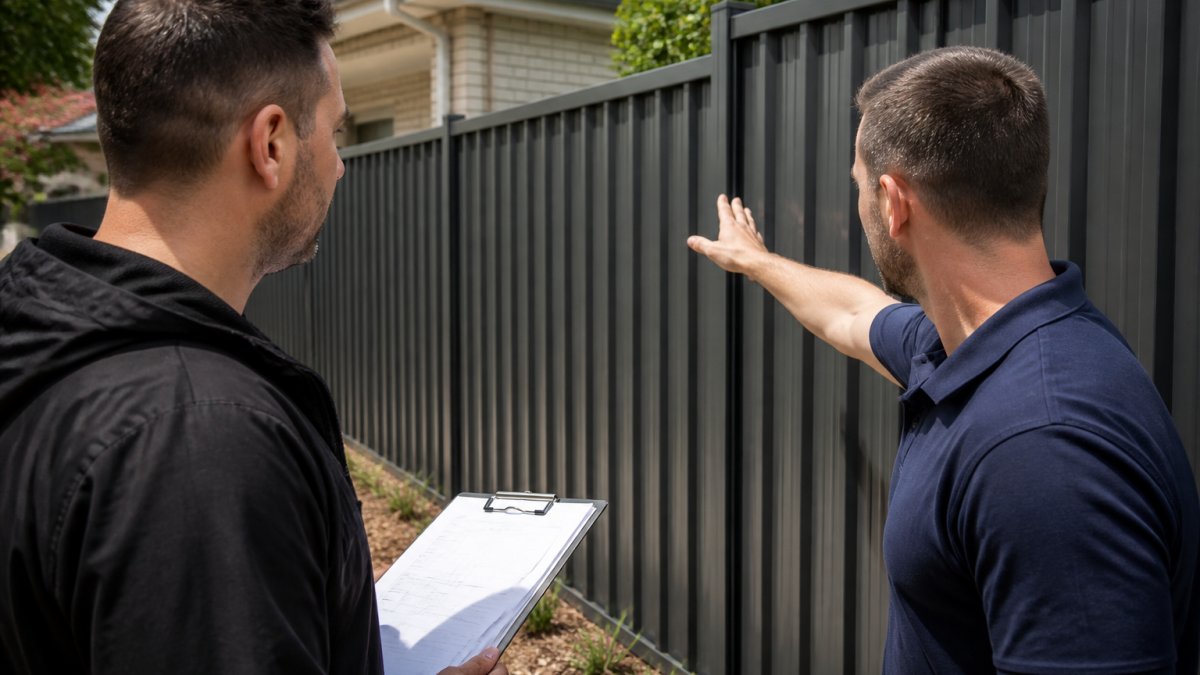
Week 1: Contact your contractor in writing (email creates a record). Describe the defect, reference your contract, request an inspection, and attach photos.
Week 2-3: The contractor inspects the fence and assesses whether the defect is covered, possibly asking about maintenance, site conditions, or how the problem developed.
Week 3-4: If approved, the contractor schedules repair or replacement.
If the claim is denied: The contractor will explain why. If you disagree, request a second opinion from another contractor or pursue the matter through consumer protection channels.
The process typically takes 4-8 weeks from first contact to resolution, with delays if the contractor is busy, materials are on backorder, or weather prevents work.
Fence Installation Defects: What Contractors Must Fix
Clear contractor responsibility:
- Posts that lean from vertical
- Panels that don't align or have visible gaps
- Gates that won't close or latch properly
- Bolts or fasteners that are missing, loose, or corroded due to poor installation
- Concrete footings that crack or crumble
- Panels that shift or move when pushed with reasonable force
Grey areas (depends on the contract):
- Minor cosmetic damage (small dents, scratches)
- Slight colour variation between panels (normal manufacturing variation)
- Surface rust on fasteners if the contractor didn't use stainless steel (depends on what was specified)
- Post movement due to soil settlement (depends on whether the site was assessed beforehand)
- Rust at cut edges if the contractor didn't seal them (some contractors include this, others don't)
Not the contractor's responsibility:
- Rust or coating failure on the Colorbond steel itself (manufacturer's issue)
- Damage from storms, accidents, or vandalism
- Fading or colour changes over time
- Damage from poor maintenance or improper use
- Defects that appear after the guarantee period expires
When a defect appears, ask who caused it. If it's clearly installation error, the contractor must fix it; if ambiguous, your contract terms decide. That's why a detailed written contract matters.
Contractor Qualifications and Insurance: Your Protection Layer
A contractor's guarantee is only as good as their ability to honour it. Before you sign, verify they can back their promises.
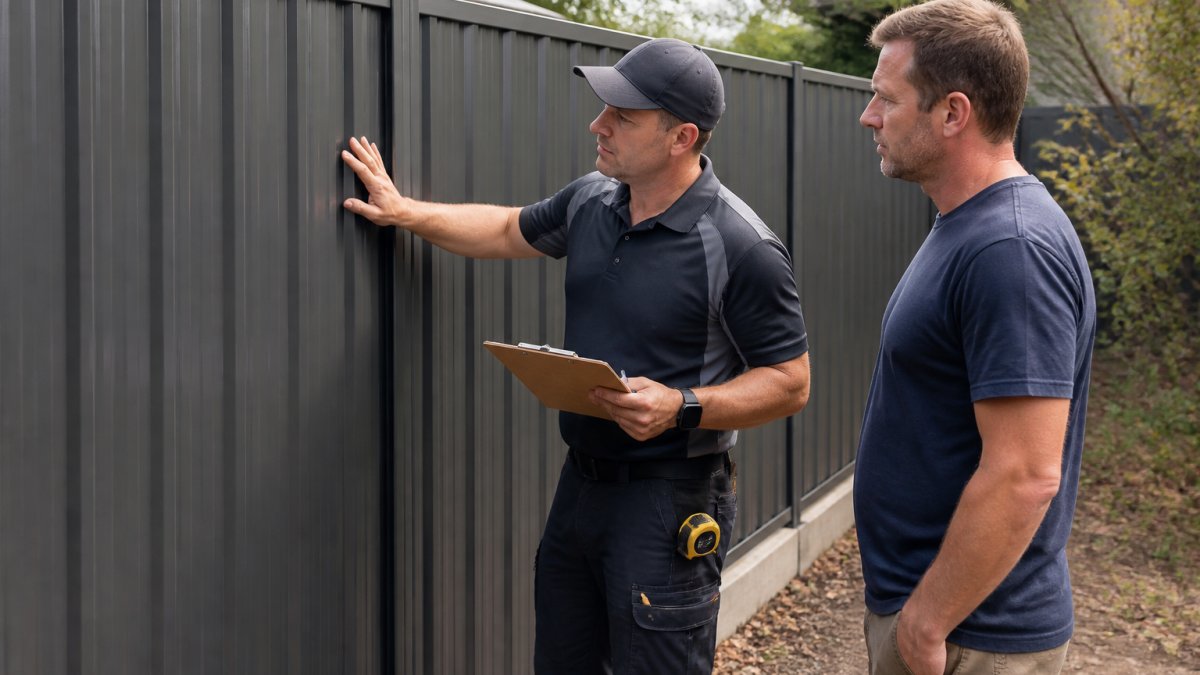
Check their credentials:
- Licensed and insured: A fully licensed and insured contractor meets industry standards and carries liability insurance that backs the guarantee. Ask for proof of current insurance and a valid licence.
- Industry memberships: Membership in bodies like the Master Builders Association or Fencing Contractors Association signals commitment to standards.
- Experience with Colorbond: Ask how many Colorbond installations they've completed and for references.
- Warranty registration: Some manufacturers require contractors to register installations to activate the product warranty, confirm yours does.
Ask the right questions:
- "What happens if you go out of business? Is the guarantee transferable?"
- "Does your guarantee cover material supply and installation, or just installation?"
- "What's your process if I need to claim?"
- "Do you handle all repairs yourself, or do you subcontract?"
AK Fencing Vic Pty Ltd is fully licensed and insured, so our workmanship guarantee is backed by professional liability insurance.
Avoid contractors who:
- Won't provide proof of insurance
- Quote verbally with no written contract
- Offer a vague or undated guarantee
- Have no references or verifiable past work
- Pressure you to pay in full before work starts
A contractor willing to stand behind their work in writing, with insurance backing, is confident in their craftsmanship.
Written Contract Terms: What to Demand Before Work Starts
Your contract is your only protection if something goes wrong. Don't skip this step.
A proper fencing contract must include:
1. Scope of work: Exactly what will be installed, fence length, height, panel type, post spacing, gate details, custom features. Be specific: "1.8-metre Colorbond fence, 2.4-metre sections, posts at 2.4-metre intervals, concrete footings to 600 mm depth."
**2.
**3.
4. Price and payment terms: Total cost, payment schedule, and payment triggers. Never pay 100% upfront.
5. Start and completion dates: When work begins and finishes, including a weather-delay clause.
**6.
**7.
**8.
9. Dispute resolution: How you'll handle disagreements. Some contracts require mediation before legal action.
10. Cancellation terms: What happens if either party cancels, and any penalties.
Don't sign a contract with blank spaces or vague language. If something isn't clear, ask.
Understanding your colorbond fencing workmanship guarantee coverage means knowing what you're protected against and who's responsible when things go wrong. When you're ready to install a Colorbond fence, get a free quote from AK Fencing Vic Pty Ltd and ask us to walk you through our workmanship guarantee terms.
Frequently Asked Questions
What does a Colorbond fencing workmanship guarantee cover?
A workmanship guarantee covers defects in installation quality, not the material itself. This includes improper post alignment, inadequate panel fixing, poor concrete work, uneven heights, and gaps between panels or posts. It protects against installation defects caused by contractor error or negligence. The guarantee does not cover material fading, corrosion, or damage from extreme weather, ground movement, or lack of maintenance. Always request a written guarantee stating the coverage period.
How is a workmanship guarantee different from a product warranty?
A workmanship guarantee covers the contractor's installation quality and labour, while a product warranty covers the Colorbond material itself. The manufacturer's warranty protects against coating failure, steel composition defects, and premature corrosion under normal use. Installation defects like crooked posts or loose panels fall under workmanship, not the product warranty. You need both protections: the manufacturer's warranty ensures the steel and coating perform as specified, and the workmanship guarantee ensures the fence was installed correctly. Check your written contract to confirm both are in place.
What problems are usually excluded from a fencing workmanship guarantee?
Common exclusions include damage from extreme weather, natural disasters, or ground movement; corrosion or fading of the Colorbond coating; damage from impact or vandalism; issues caused by poor site maintenance or inadequate drainage; and problems arising from site conditions not disclosed before installation. Many guarantees also exclude repairs needed because the homeowner failed to follow maintenance recommendations. Some contractors exclude warranty claims if the fence was altered, repaired by someone else, or damaged by third parties. Always review the terms and conditions and ask your contractor to clarify exclusions in writing before signing.
What should I do if my newly installed fence has a workmanship issue?
Document the defect with clear photographs showing the exact problem, take measurements if relevant, and note the installation date. Contact your contractor within the warranty period specified in your written agreement, providing photographs and a detailed description. Request a site inspection and written response outlining whether the issue is covered and the proposed resolution. If the contractor disputes the claim, request their reasoning in writing.