 Ultimate guide
Commercial Security Fencing Installation: A Complete Guide
Table of Contents
- Why Commercial Security Fencing Matters for Your Property
- Security Fencing Materials and Design Options
- Security Fencing Permit Requirements and Compliance
- Automated Gate Installation Costs and Access Control Systems
- Fence Height, Perimeter Protection, and Site-Specific Configuration
- Installation Process and Project Timeline
- Durability, Maintenance, and Long-Term Performance
- How to Specify Your Security Fencing Solution
- Frequently Asked Questions
Last Updated: October 9, 2026
Why Commercial Security Fencing Matters for Your Property
Commercial security fencing is the foundation of perimeter protection for any industrial or commercial property. Without it, your site remains vulnerable to unauthorised access, theft, and liability issues that can cost far more than the fencing itself.
The difference between a secured property and an open one isn't just about preventing break-ins. It's about demonstrating duty of care, controlling who enters your site, and protecting your assets 24/7. The right security fencing transforms a property from a soft target into a hardened asset.
Security fencing serves multiple purposes simultaneously. It deters opportunistic trespassing, creates a clear boundary that defines your property line, supports access control systems, and signals to potential intruders that you take security seriously. A well-designed perimeter also reduces liability exposure.
The challenge most property owners face isn't whether they need security fencing. It's choosing the right type, height, and configuration for their specific site and budget. A chain mesh fence works differently than a palisade. A 1.8-metre fence serves a different purpose than a 2.4-metre one.
Security Fencing Materials and Design Options
Choosing the right material for commercial security fencing depends on your security level, budget, and aesthetic requirements. Each material offers distinct advantages and trade-offs.
Galvanised Steel and Chain Mesh Fencing
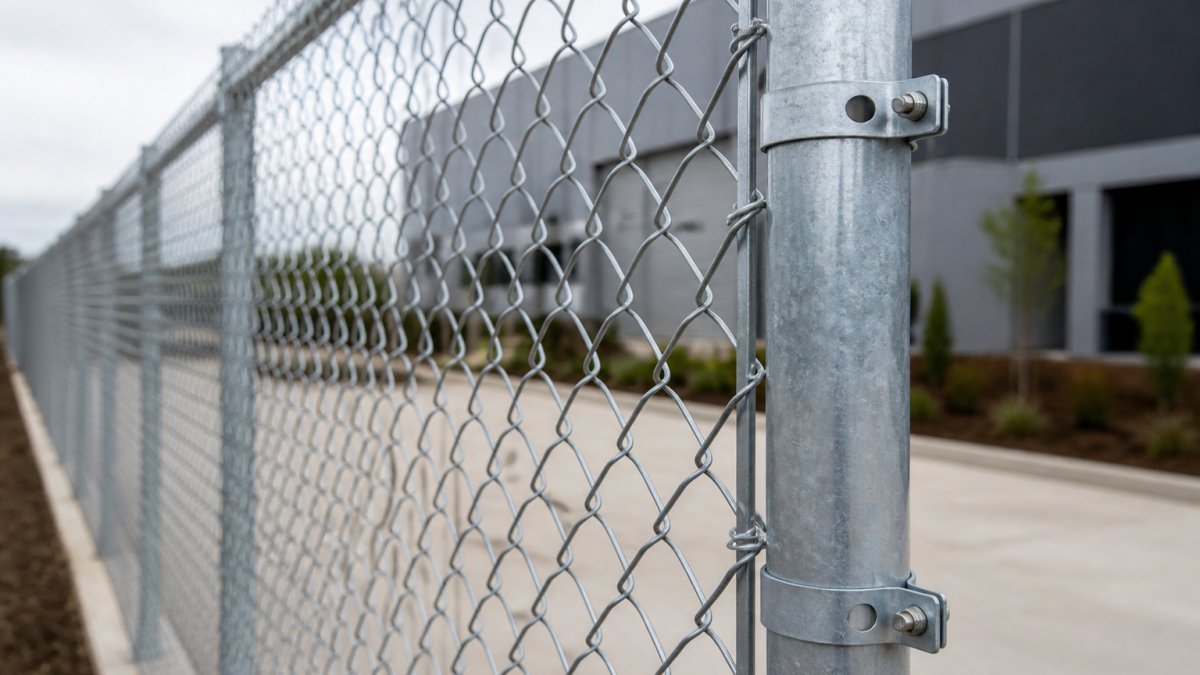
Galvanised steel chain mesh fencing is the industry standard for commercial and industrial security. The galvanisation process, coating steel with zinc, provides long-term corrosion resistance in harsh outdoor environments. Chain mesh fencing offers transparent visibility, allowing you to monitor activity both inside and outside your perimeter while maintaining security.
The mesh pattern itself matters. A smaller mesh (such as 50mm) provides greater security by preventing hand or arm access through the fence. Larger mesh (such as 75mm or 100mm) reduces material cost but offers less security.
Chain mesh fencing is quick to install, relatively low-cost, and durable. It's ideal for industrial sites, warehouses, and properties where visibility and transparency are advantages. The downside is that it offers no privacy, anyone outside can see everything inside.
Palisade Fencing vs Chain Wire: Which Suits Your Site
Palisade fencing vs chain wire represents a fundamental choice: solid security versus transparent visibility.
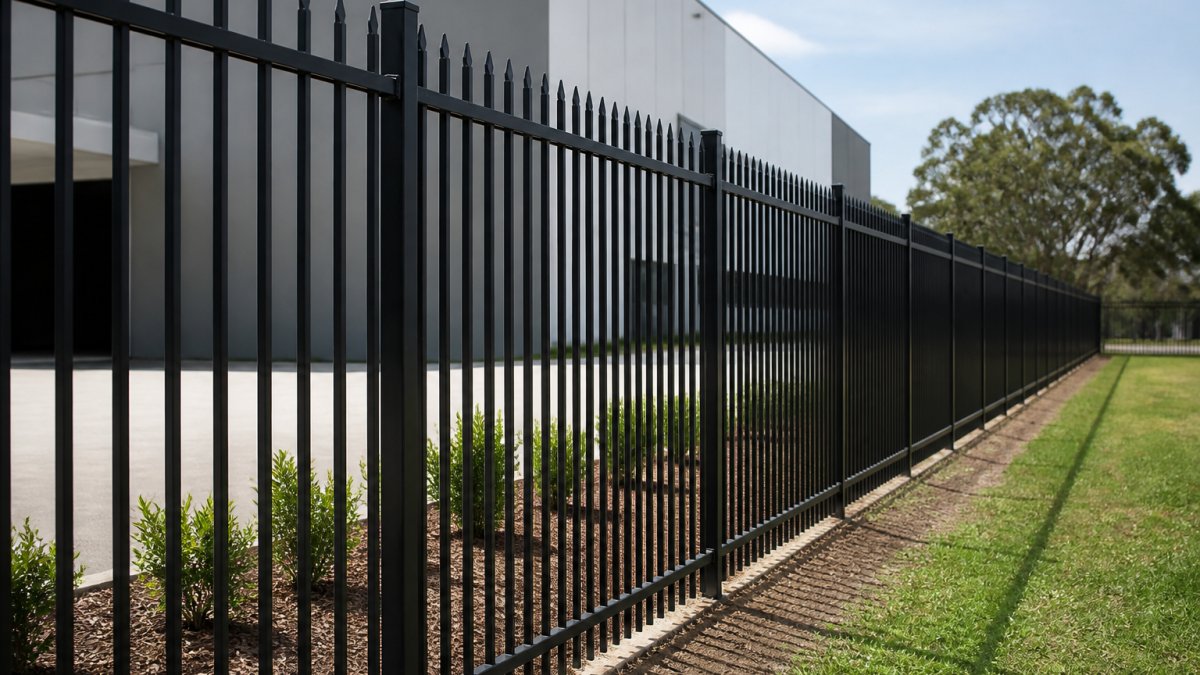
Palisade fencing consists of vertical steel pales (typically 75mm or 100mm wide) mounted horizontally on rails, creating a solid barrier. It offers complete privacy, prevents visual access to your property, and presents a more imposing security appearance.
Chain wire (chain mesh) remains transparent. It's lighter in appearance, allows sightlines through the fence, and costs less than palisade. Chain wire suits sites where you benefit from visibility, monitoring a perimeter, allowing light through, or creating a less fortress-like appearance.
The practical difference comes down to what you're protecting and who you're protecting it from. A manufacturing facility with sensitive equipment might choose palisade for privacy. A storage yard with standard containers might choose chain mesh to reduce visual obstruction and maintain sightlines for security monitoring.
Installation complexity also differs. Palisade requires more precision in spacing and alignment. Chain mesh is more forgiving during installation but requires proper tensioning to maintain security.
Colorbond and Timber Options for Commercial Properties
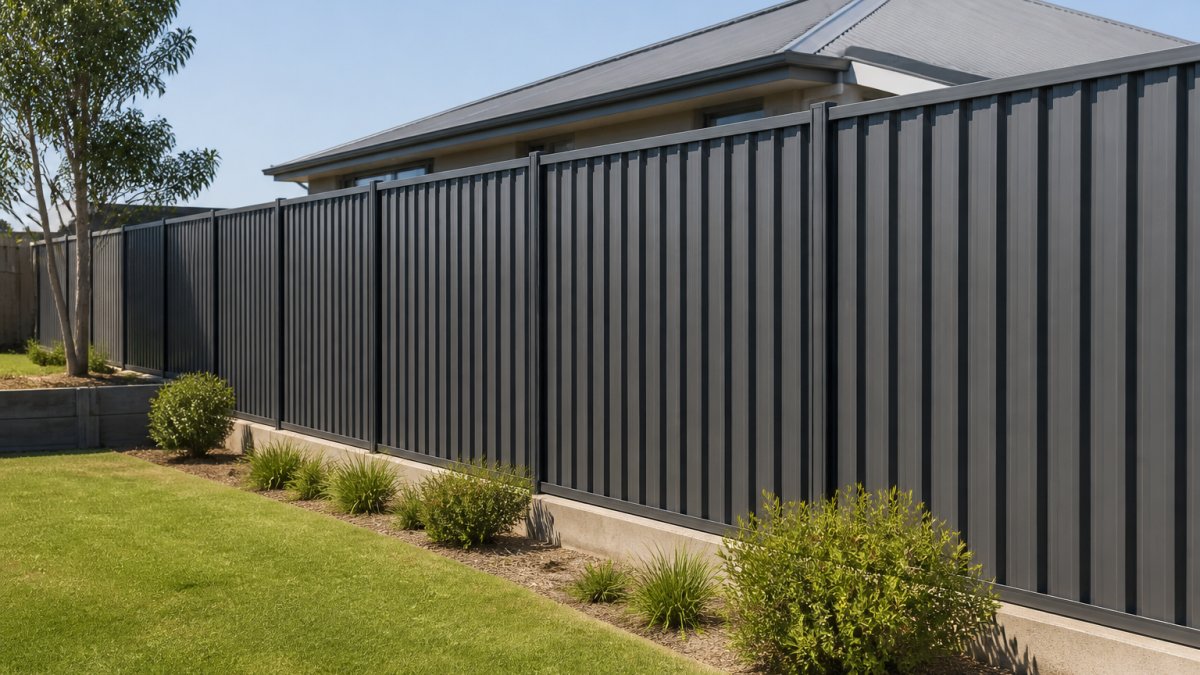
Colorbond fencing offers a modern aesthetic with solid security. The pre-painted steel panels come in multiple colours, allowing you to match your brand or site appearance. Colorbond panels are durable, low-maintenance, and provide complete privacy. They're popular for commercial properties where appearance matters, office parks, retail facilities, and corporate campuses.
Timber fencing, while traditional, requires more maintenance for commercial applications. Timber needs regular treatment, staining, and inspection for rot or insect damage. In commercial settings, timber is typically reserved for aesthetic purposes rather than primary security, often used in combination with chain mesh or palisade behind it.
For most commercial security applications, Colorbond outperforms timber. It requires less maintenance, lasts longer, and provides more consistent security over time. Timber's aesthetic appeal doesn't justify the maintenance burden on a busy commercial site.
Security Fencing Permit Requirements and Compliance
Before installing commercial security fencing, you must understand local permit requirements and compliance standards. Requirements vary depending on fence height, location, and proximity to boundaries.
Permit requirements vary depending on fence height, location, and proximity to boundaries. Some local councils have specific guidelines about materials, colours, and design for commercial properties in certain zones.
The key is to engage with your local council early. Council approval confirms your installation will meet setback requirements, height restrictions, and any heritage or streetscape guidelines that apply to your area.
Beyond council permits, pool safety fencing has specific regulatory requirements if your commercial property includes a pool. The requirements specify minimum heights, mesh sizes, and gate mechanisms. Non-compliance creates serious liability, these regulations exist to prevent drowning and are enforced strictly.
Automated Gate Installation Costs and Access Control Systems
Automated gate installation transforms how you control access to your commercial property. Unlike manual gates, automated systems operate on schedule or by credential, keycard, PIN, or remote trigger.
Automated gates integrate with your broader security system. They can log entry and exit times, restrict access to authorised personnel, and provide an audit trail for compliance purposes. For high-security sites, automated gates paired with CCTV and access control software create a comprehensive perimeter system.
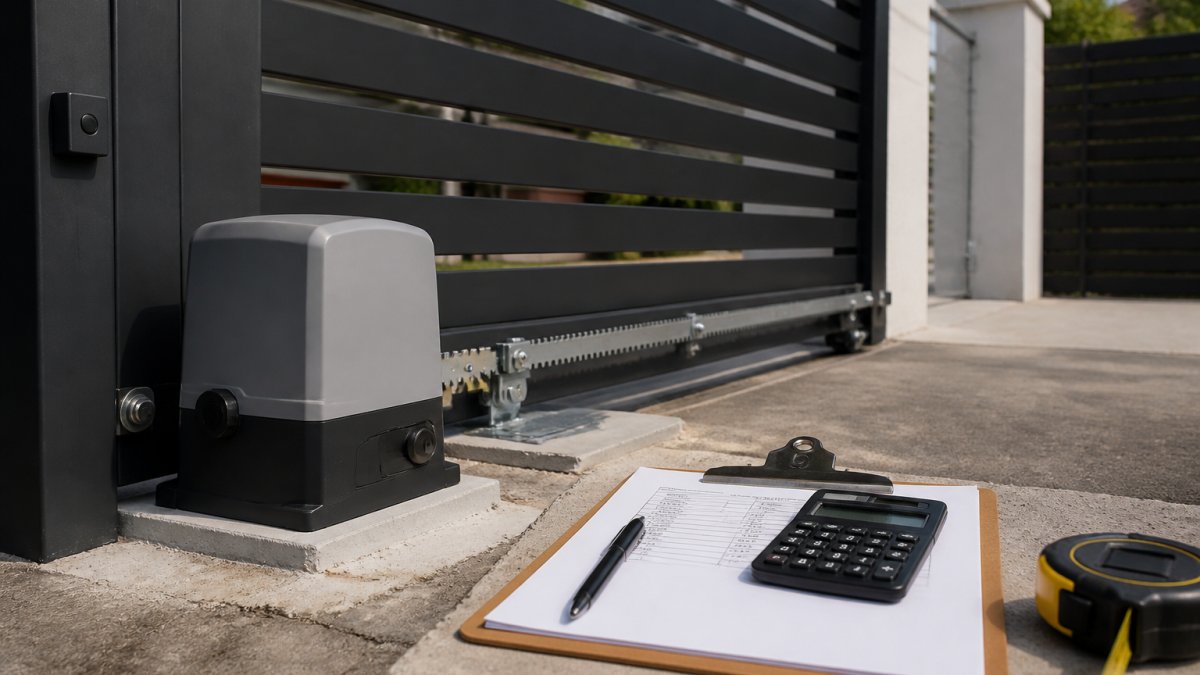
The cost of automated gate installation depends on gate size, mechanism type, and integration requirements. Swing gates (the most common type) use hydraulic or electric motors. Sliding gates require a different mechanism and typically cost more to install. Integration with existing access control systems adds complexity and cost.
When specifying automated gates, consider reliability. A gate that fails in the open position creates a security gap. A gate that fails closed can trap vehicles. Redundancy and failsafe design matter. Professional installers design systems with manual override capability and backup power, ensuring your gate remains functional during power outages.
Fence Height, Perimeter Protection, and Site-Specific Configuration
Fence height directly impacts security effectiveness. A 1.2-metre fence deters casual trespassers but doesn't prevent determined access. A 1.8-metre fence significantly raises the difficulty of climbing. A 2.4-metre fence, particularly with extensions or angled tops, creates a formidable barrier.
Height requirements depend on what you're protecting. Standard commercial properties typically use 1.8 metres. High-security sites, storage facilities with valuable assets, or properties in high-crime areas may require 2.0 to 2.4 metres. Some sites add extensions, angled tops, anti-climb devices, or barbed wire, to further deter climbing.
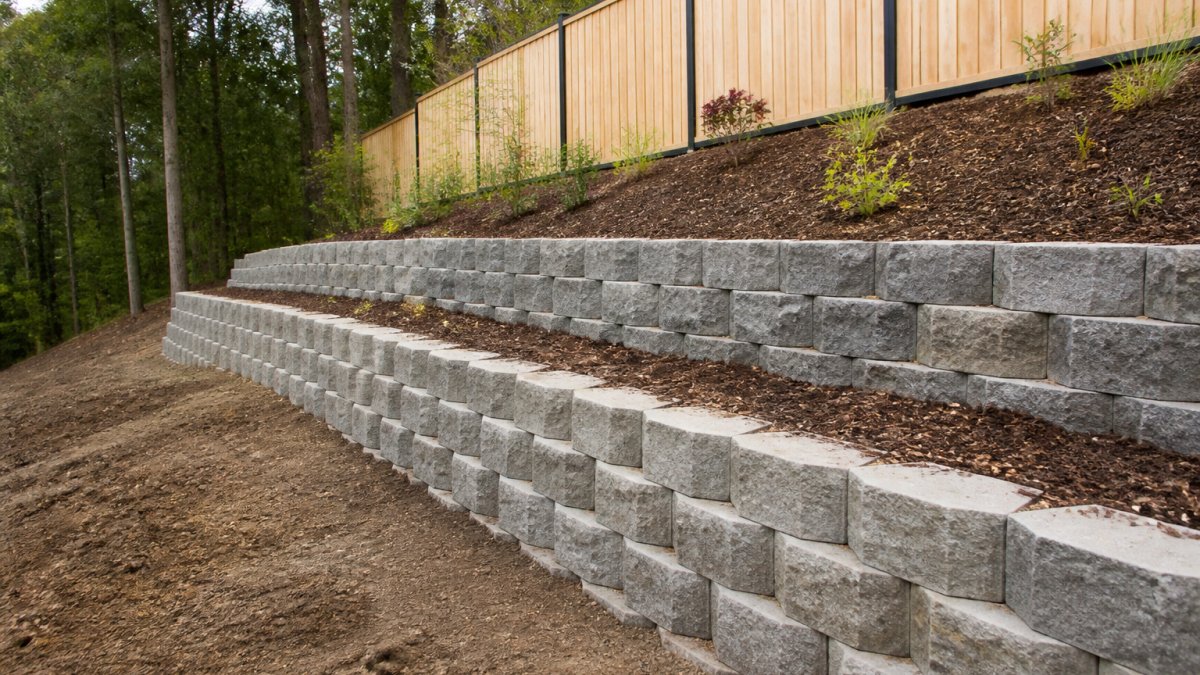
Site-specific configuration matters as much as height. A fence on uneven terrain requires engineered design to maintain consistent height and security. A fence on a slope needs careful planning to avoid security gaps where ground slopes away. Properties with retaining walls, drainage requirements, or underground services need coordination between fencing and other infrastructure.
Terrain, soil conditions, existing structures, and security requirements determine the final specification. A one-size-fits-all approach creates problems, either oversized specifications that waste money, or undersized ones that leave security gaps.
Installation Process and Project Timeline
The installation process for commercial security fencing follows a structured sequence. Understanding the timeline helps you plan around your operations.
Site preparation comes first. The installer marks the fence line, locates underground services (electrical, water, gas), and prepares the ground.
Post installation follows. Posts are set at regular intervals (typically 2-2.5 metres apart) into concrete footings. Post depth and concrete volume depend on fence height and soil conditions.
Panel or mesh installation comes next. Whether you're installing chain mesh panels, palisade, or Colorbond, this stage involves attaching the fencing material to the posts.
Gate installation and automation (if applicable) follows. Gate posts require deeper, more substantial footings than fence posts. Automated mechanisms need electrical work and testing. This stage adds 2-3 days to the project.
Final inspection and testing ensures everything functions correctly. Automated gates are tested through multiple cycles. All connections are verified. This final stage takes 1 day.
For a typical commercial property (500-1000 linear metres of fencing), expect a total timeline of 2-3 weeks from site preparation to completion.
Durability, Maintenance, and Long-Term Performance
Commercial security fencing is a long-term investment. Understanding maintenance requirements helps you protect that investment.
Galvanised steel chain mesh fencing requires minimal maintenance. The zinc coating protects against rust for 15-20 years or more. Occasional inspection for damage and cleaning to remove dirt or debris keeps it functioning.
Palisade fencing requires similar minimal maintenance. The galvanisation protects the steel. Bolted connections should be checked annually to ensure they remain tight. Rust spots, if they appear, can be treated with touch-up paint.
Colorbond fencing requires periodic inspection for scratches or damage that exposes bare steel. The paint coating protects against rust, but damage needs addressing. Cleaning with water and mild detergent keeps it looking good.
Timber fencing requires the most maintenance. Annual staining or sealing is necessary to prevent rot. Timber is susceptible to insect damage and weathering.
Automated gate systems require regular servicing. Annual inspections of motors, hinges, and control systems catch problems before they cause failures. Preventive maintenance costs far less than emergency repairs.
How to Specify Your Security Fencing Solution
Specifying the right commercial security fencing solution requires clarity about your needs, constraints, and priorities.
Start with a security assessment. What are you protecting? What access does legitimate traffic require? What are the realistic threats to your property?
Next, evaluate your site. Walk the perimeter. Note terrain changes, existing structures, underground services, and access points. Take photographs and measurements. This information drives the engineering and cost estimate.
Define your budget range. Security fencing cost depends on material, height, site complexity, and automation.
Engage a professional installer early. We provide a detailed quote that breaks down materials, labour, and timeline. We also identify any permit requirements.
The investment in specification clarity pays dividends. A well-specified fence that matches your actual needs lasts longer, requires less maintenance, and delivers the security you actually require, not more, not less.
Commercial security fencing is one of the most cost-effective security investments you can make. The challenge isn't deciding whether to install it, it's specifying the right solution for your property.
Frequently Asked Questions
What permits do I need for commercial security fencing installation?
Permit requirements depend on your local council and the height, materials, and location of your fence. Your fencing contractor should advise on specific requirements for your property. Contact your local council planning department or ask your installer for guidance on security fencing permit requirements for your site.
What's the difference between palisade fencing and chain wire for security?
Palisade fencing offers solid vertical steel palings that provide high security and privacy, making it harder to see into your property. Chain wire (chain mesh) fencing is open mesh, allowing visibility while still providing a secure perimeter barrier. Palisade fencing vs chain wire depends on your needs: choose palisade for maximum privacy and anti-climb protection, or chain wire for visibility and airflow while maintaining security. Both are durable and commonly used on industrial and commercial sites.
How much does automated gate installation cost?
Automated gate installation costs depend on gate size, access control system complexity, power supply requirements, and site conditions. Pricing varies significantly based on whether you're upgrading an existing gate or installing new. Request a free quote from your installer to get accurate automated gate installation costs tailored to your property and security needs, as costs reflect site-specific factors and your chosen automation features.
How long does commercial fencing installation typically take?
Installation timelines vary based on fence length, material type, site conditions, and whether retaining walls or ground preparation is needed. Your contractor should provide a realistic project timeline during the planning phase.